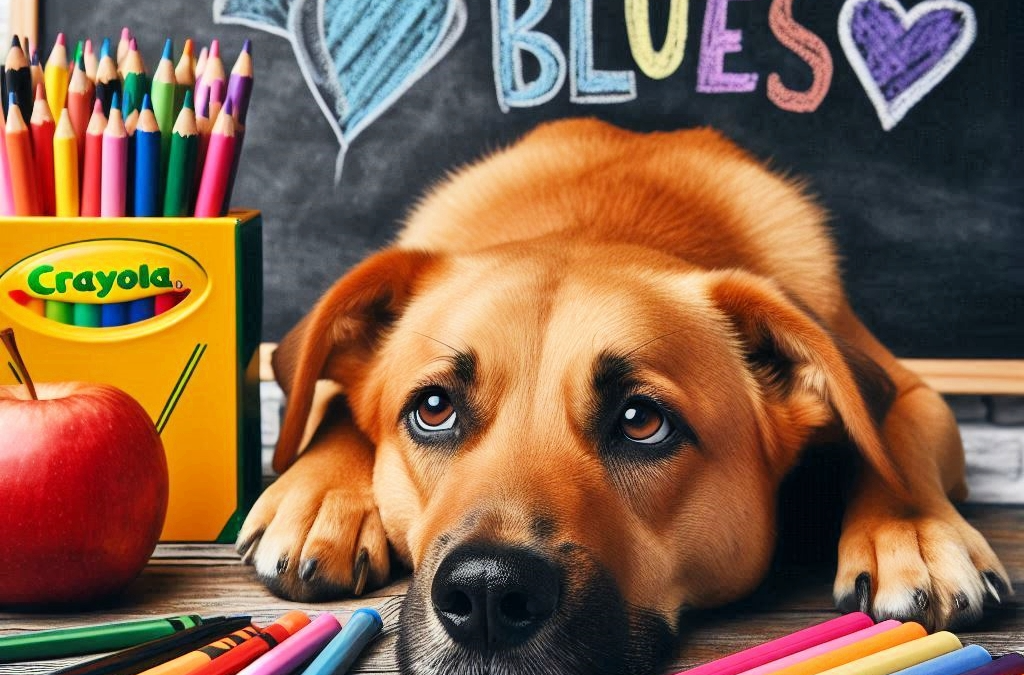
As the summer days start to shorten and the excitement of back-to-school preparations begins, many families experience a mix of emotions. While parents and kids navigate new schedules and routines, there’s one family member who might feel a bit out of sorts—your dog.
After a summer filled with playtime, outdoor adventures, and constant companionship, the sudden change in household dynamics can leave your furry friend feeling lonely and anxious.
As a professional pet sitter, it’s important to recognize the impact on your furry guests and share this information with your clients.
Understanding the Canine Perspective
Dogs thrive on routine and familiarity. Over the summer, they’ve likely grown accustomed to having the kids around all day, enjoying extra attention and playtime. When school starts, the sudden quietness and reduced interaction can be confusing and unsettling for them.
Signs Your Dog Might Be Struggling
Some dogs adapt quickly to changes, while others may show signs of distress. Look out for these common indicators that your dog might be experiencing back-to-school blues:
- Separation Anxiety: Excessive barking, whining, or destructive behavior when left alone.
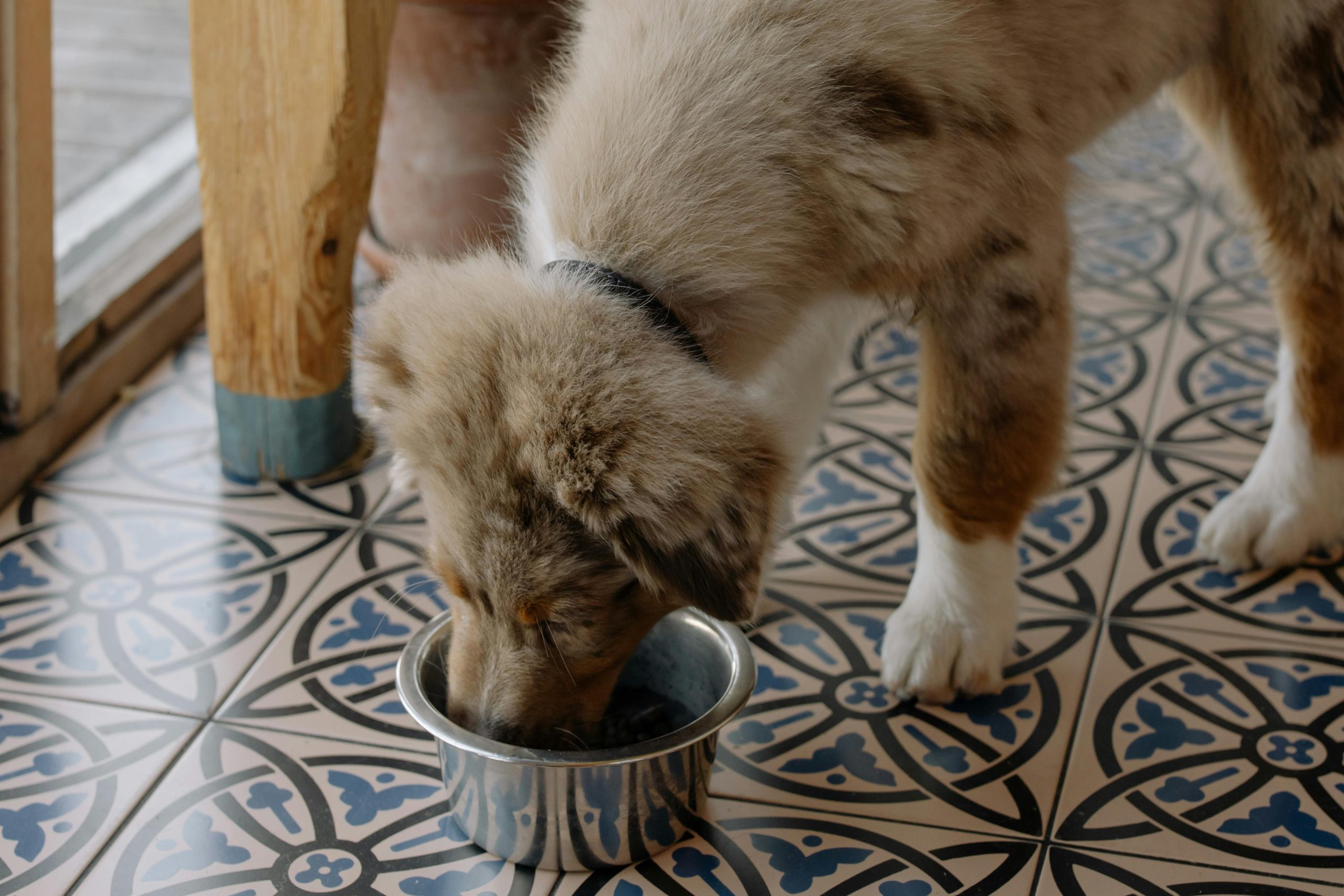
- Loss of Appetite: A sudden disinterest in food or treats.
- Lethargy: A noticeable decrease in energy levels or enthusiasm for activities they normally enjoy.
- House Soiling: Accidents in the house, especially if they were previously well-trained.
10 Strategies to Ease the Transition
- Maintain a Consistent Routine: Try to keep your dog’s feeding, walking, and playtime schedule as consistent as possible. This predictability helps them feel secure and reduces anxiety.
- Morning Exercise: Before the kids head off to school, take your dog for a brisk walk or engage in a fun play session. This helps burn off excess energy and can reduce stress levels.
- Interactive Toys: Invest in puzzle toys or treat-dispensing toys that can keep your dog occupied while everyone is away. These toys stimulate their mind and provide a distraction from loneliness.
- Create a Safe Space: Designate a cozy, quiet area in your home where your dog can retreat and feel comfortable. Add their favorite blanket or bed and a few toys to make it inviting.
- Gradual Adjustment: If possible, gradually acclimate your dog to the new routine before school starts. Begin leaving them alone for short periods and gradually increase the duration to help them get used to the change.
- Midday Check-ins: If your schedule allows, consider coming home for lunch or hiring a pet sitter to give your dog some midday companionship and a break from being alone.
- Enroll in doggie day-care or enlist a pet sitter or dog walker to break up the day with fun activity and mental stimulation
- Leave the blinds and shutters OPEN so your dog can view neighborhood activity.
- Bring your dog with you to the bus stop so they can participate in the departure and return of loved ones. Better yet, bring them to the after-school events if they are calm in a crowd.
- Incorporate new and fun routines such as a trip to the drive-through at McDonald’s, Starbucks, or local Ice Cream Store for a treat everyone can enjoy.
Special Considerations for Puppies and Senior Dogs

Puppies and senior dogs might need extra attention during this transition period. Puppies, with their boundless energy and need for socialization, may require additional playtime and training sessions.
Senior dogs, on the other hand, might experience more anxiety due to their age and health conditions. Be patient and attentive to their specific needs.
Involving the Kids
Involving your kids in the process can be beneficial for both them and your dog. Encourage them to spend quality time with your dog before and after school. Assigning small tasks, like feeding or grooming, can help strengthen the bond between your children and their furry companion.
Professional Help
If your dog continues to show signs of severe anxiety or behavioral issues despite your efforts, consider seeking advice from a professional dog trainer or a veterinarian. They can provide tailored strategies and, if necessary, recommend products like calming supplements or pheromone diffusers.
Final Thoughts
The back-to-school season is an adjustment period for everyone in the household, including your dog. By understanding their perspective and proactively addressing their needs, you can help ease their transition and ensure they remain happy and healthy.
With a little extra care and attention, your dog will soon adapt to the new routine and continue to be the joyful, loyal companion you know and love.
Want more helpful tips? Our Library of Content for members is packed with a vast collection of innovative ideas, tips and tools to help you grow in your pet sitting journey. Check us out (only $10/month!): https://associationofpetprofessionals.com/join-us/
Photo attribution (of young boy and his puppy): Dominika-Roseclay on pexels.com



 We’re happy to have one of our favorite guest editors back, with another great article from Nick Burton of