/home/qiocp3sxg2b3/public_html/app.comeback2.host/wp-content/mu-plugins pet caretakers – Page 2 – Association of Pet Professionals

Tag: pet caretakers

  • A Guide to Nomad Life with Your Pet

    A Guide to Nomad Life with Your Pet

    The call of the open road and the freedom of remote work can be intoxicating. Adding a pet to this mix adds both joy and complexity to the equation. This article aims to offer a detailed guide to help you and your furry friend step confidently into the nomadic lifestyle without missing a beat. In this article for the Association of Pet Professionals, we will navigate through various steps to ensure your pet’s comfort and well-being while you work remotely.

    Laying the Technological Groundwork

    Before you hit the road, make sure you’re proficient in the technology that will sustain your remote work. This goes beyond having a reliable laptop and smartphone. Invest in a high-quality portable Wi-Fi hotspot, get comfortable with collaboration software like Slack or Asana, and familiarize yourself with video conferencing tools like Zoom. Make these technologies an extension of your professional self so that you can work smoothly from anywhere.

    Digitizing Life’s Essentials

    Today, mobile scanning apps offer a seamless way to digitize essential documents, including your pet’s medical records and identification. Apps like Evernote and Google Drive offer scanning capabilities, allowing you to keep important papers at your fingertips. This step is crucial for a stress-free digital nomad life, ensuring that you can access vital information anywhere, anytime.

    Making Furry Friends Feel at Home

    Finding a place to stay that welcomes pets is crucial. Websites like Airbnb offer filters for pet-friendly accommodations, but it’s always good to double-check with hosts. You can also check resources like BringFido for recommendations. In case you have to attend a long meeting or be away from your accommodation, consider hiring a local pet sitter to keep your pet company.

    Keeping the Necessities Close

    Pets need stability, even when your lifestyle is anything but. Always carry a travel kit that includes pet food, fresh water, medication, and comfort items like a favorite toy. Take time to read reviews before buying any pet care products to ensure their quality and safety. Consider investing in a portable water dish and a collapsible crate to make your pet’s travel experience as comfortable as possible.

    Legalities and Locale-Specific Guidelines

    Different countries and even different states within the U.S. have unique laws regarding pet ownership and travel. Take the time to research these laws. Websites like the USDA Animal and Plant Health Inspection Service provide guidelines on pet travel both within and outside the U.S. Knowing leash laws and pet-friendly parks can make your experience more enjoyable and keep you on the right side of the law.

    Health Check and Identification

    Before embarking on your journey, a visit to the vet is essential to update all vaccinations and consider microchipping your pet. These precautions are not just legal requirements in many jurisdictions but also crucial measures for your pet’s safety. Being proactive in this area can provide peace of mind and ease potential complications during your travels.

    Setting Up a Legal Business Framework

    If you’re committed to embracing the digital nomad lifestyle long-term, establishing a limited liability company (LLC) for your freelance or remote work is a prudent step. This legal structure provides an added layer of personal asset protection while offering a flexible framework for managing business expenses and taxes. With a formation company’s help, the LLC setup can simplify your professional life, making it easier to focus on your work and travels without worrying about legal intricacies.

    Healthcare Away from Home

    Before setting off, research the veterinary services available in your chosen destination. There are many different apps available that can be incredibly useful for locating vet services while on the go. Always have a plan B in place, should you need urgent medical care for your pet.

    Living the digital nomad life with your pet is rewarding but requires detailed planning for both of you. From mastering tech tools and understanding local laws to business structure and healthcare options, preparation is key. By organizing these aspects, you set the stage for a fulfilling and harmonious journey with your four-legged companion.

    For a professional organization to help you hone your skills and improve your business, join the http://app.comeback2.host/join-us/ today!

    This article was provided by Cindy Aldridge, the creator of OurDogFriends.org, a website advocating for the love and ownership of dogs. She believes that dogs truly are our best friends and wants to see fewer dogs in shelters and more in loving homes.

    I think all of us at the Association of Pet Professionals, members included, couldn’t agree more with Cindy’s philosophy and goals!  Thank you, Cindy, for your engaging article with a fresh perspective to working AND traveling with pets!

    photo credit: Kampus Production on pexels


  • Potty Training a Puppy

    Potty Training a Puppy

    The word “puppy” has no clear origin yet likely to have come from the French word poupee meaning “doll” or “toy.”  Poupee is pronounced “poo-pay.” And there’s hidden meaning there! Most puppy owners are poo-payed at the end of the day, chasing their young charges around constantly, especially during early house-training months.

    House training a puppy takes determination and vigilance. Most puppies will achieve consistent outdoor performance by 6 months, yet some may take up to a year.


    First and foremost is to keep the puppy confined. A crate, playpen, or divided area (preferably with tiled floors) is easier for housekeeping because accidents will happen. Lean into that and do NOT punish the pup! If you have missed the classic signs of circling and sniffing the carpet, gasp loudly and exhale with an “ah ah ah”! which may cause a muscle contraction in your puppy long enough to get them outside quickly.

    Young puppies have no control over their bladder muscles. A good rule of thumb for the time a puppy can hold their water is their age +1. So, a 2-month-old puppy = 2 + 1 or 3 hours. In the early months, every 1-2 hours is best. Getting out 10-15 minutes after each meal is necessary.

    Maintaining consistency with lots of praise and treats will help both of you as the puppy matures and you catch a few more Z’s in the ensuing months. Using the same area for potty breaks helps. You can also use a soiled piece of cloth (anything with its urine smell on it) to show your pup where to mark his spot. Be sure to throw a party after every potty, employing lots of praise with clapping hands and a happy voice.

    If your puppy is food motivated, high-value treats dispensed immediately after elimination is another way to reward a successful potty moment.

    Decide what your “cue” word is going to be every time you take your puppy out. “Go potty” is the most common. It is hard to find a cute, sexy way to describe it, yet anything goes provided it is used every time and is different from other commands you will be teaching your young dog.

    If you live in a high-rise community or challenged by inclement weather, you may consider pee pad training. This is often tricky, as you are providing two different options for your pup.  Ideally, you want them to hold it until you can get them outside.

    If you follow strict and consistent potty protocols, you will find that your time and dedication will pay off quickly and with big dividends!

    Hugs,

    Your Pet Pros @ AoPP

    House training a puppy for pet sitters

    photo attributions: Winking puppy by Dominka Roseclay on pexels. com

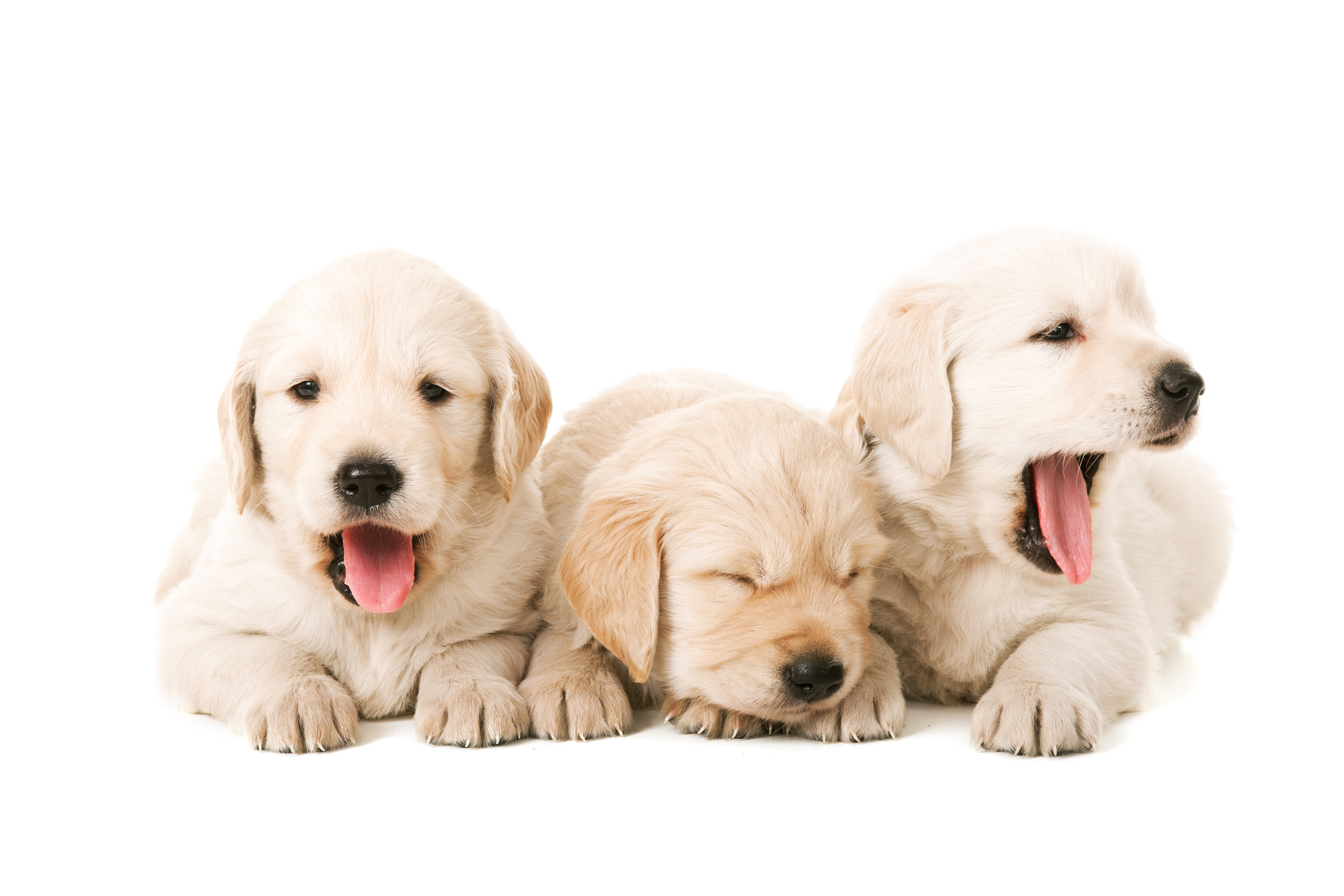
    (featured image of 3 Golden puppies purchased on istock.com)

  • How to Greet a Fearful or Shy Dog

    How to Greet a Fearful or Shy Dog


    Many dogs are fearful when meeting strangers for the first time. You will encounter dogs that are reluctant to approach you, yet as a professional pet sitter it’s helpful to know how to best manage your introduction with a skittish dog.

    Kathrine Breeden is the owner and operator of Be Kind to Dogs, a force-free dog training business in Phoenix, Arizona. Kathrine is a professional dog trainer and specializes in force-free dog obedience training with tips and tools that all professional pet sitters can adopt.

    Kathrine is also a behavioral consultant and member of the No Shock Collar coalition. Her philosophy is that Force Free & Positive Training results in a dog that follows an owner because it wants to, rather than following out of fear. We wholly support force-free training and do not promote punitive training methods that include shock, prong, or choke collars.

    The “Treat and Retreat” method is an effective practice when first meeting a client’s dog who is already fearful of humans. It’s important to start off with high-value treats. After conferring with your client regarding potential GI issues or food allergies, consider cooked, skinless, and cubed chicken for the best results.

    The premise behind this method is tossing treats at the dog you are meeting with NO eye contact, NO talk, and NO touch. Wait for him/her to gobble the food and look to you for more.  Keep tossing the food, while keeping quiet, until the dog is comfortable approaching you for more, getting closer and closer each time.

    We have found this method to be extremely effective when building a bond with reluctant and fearful dogs. Of course, most dogs will love you when you provide a yummy treat for them!  It’s those that typically have had bad experiences in their past that require a little more finesse and patience to warm up to humans and you, their soon-to-be-loved pet sitter.

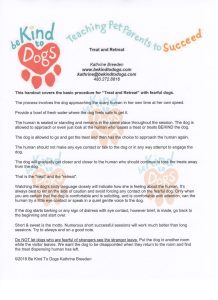
    A copy of Katherine’s hand-out is included below.

    force-free training methods
    To contact Katherine Breeden for more information about force-free training methods visit her website: https://www.bekindtodogs.com

    The above guidance is an excerpt from our 15-page outline “Pet Sitter Basics for Dog and Cat Care” available to members only. We’re here to help you achieve new heights in your pet sitting journey! Join NOW so we can grow together http://app.comeback2.host/join-us/

    Hugs from your Pet Pros @ AoPP


  • How to Engage dogs with Scent Games

    How to Engage dogs with Scent Games

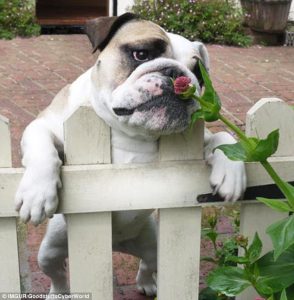
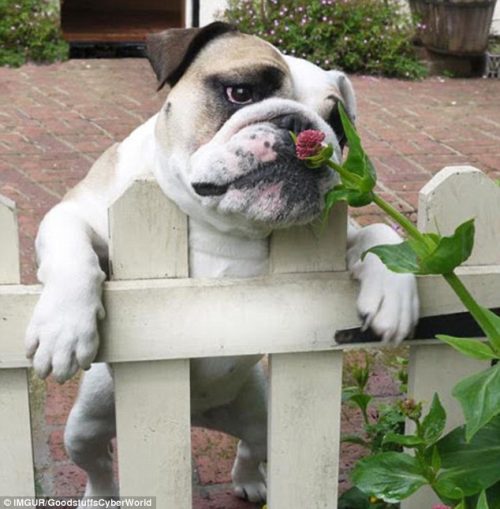
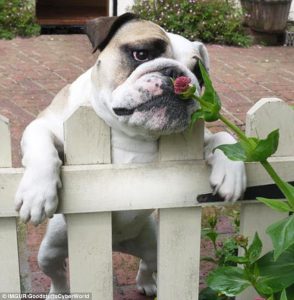
    Bulldog sniffing a flower

    One of our previous blogs shares the science behind the extraordinary scent powers of a dog. Read “How Stress affects Dogs and Cats regarding their extraordinary sense of smell (they can smell our stress among other things!) How Stress affects Dogs & Cats – Association of Pet Professionals

    While puppies are nearly blind at birth, their sense of smell is fully developed.  The part of the brain that analyzes scent is 40 times bigger in a dog’s brain than ours. To fully engage and entertain dogs you are pet sitting, try these simple and inexpensive games and activities.

    (1). Treasure Hunt:  Hide treats throughout the house!

    • Start with 1 or 2 in plain sight (when she’s not looking). Call her and say, “FIND IT”.
    • After she gobbles those, say ‘GOOD FIND IT” and repeat the process in less obvious places.
    • Get creative with a food dispensing object (Kong) or smear cheese on a rubber toy you can hide (best on a non-carpeted surface).
    • To play scent games outside, hide frozen cubes of meat broth. Repeat the command “FIND IT” and praise with “GOOD FIND IT” when she discovers the treat.

    (2). Shell Game: Start with 4 sturdy coffee-cup sized containers.

    While she’s watching, place a treat underneath one cup then move it back and forth. Say “FIND IT”. When she sniffs the cup, lift it up and say, “GOOD FIND IT”. This is easy with only one cup, right? To intensive the game, add another cup, then another, repeating the process (like a magician moving the cups back and forth). Make sure you say, “GOOD FIND IT” and reveal the treat underneath when she sniffs the right cup.

    (3). Hide ‘N Seek: YOU are the treat!

    When she’s in another room, sneak off and hide somewhere. If you have an active dog, she will come looking for you. When you “sense” her sniffing for you, reveal yourself with “GOOD FIND IT” and provide a treat as praise.

    (4). Muffin Tin Game: This is very popular and requires a simple muffle tin, treats and balls.

    Place treats at the bottom of each cup hole. Put a ball on top to cover the treats (tennis balls work great). Your dog will have to move the ball to get to the treat.  This not only helps them practice their scent work, but also exercises their problem-solving skills and mental stimulation needs.

    (5). Box Search: This is a great way to reuse those Amazon delivery boxes!

    When she’s out of the room, place several empty boxes on the floor and fill most of them (not all) with treats. Bring her into the room and encourage the hunt with FIND IT!  Praise her for each “find”. Put the boxes away when all the treats are gone to signal the game is over.

    Get creative and have fun practicing scent work with dogs in your care.  Be sure to share these pet sitting experiences and the dog’s performance with your clients.  They will love you for it (and may try these games in their home!)

    Hugs from your Pet Pro Team @ Aopp

    Join us for more tips & tools to achieve new heights in your pet sitting business! http://app.comeback2.host/join-us/


  • Essential Client Questions to Ensure Tailored Pet-Sitting Care

    Essential Client Questions to Ensure Tailored Pet-Sitting Care

    All pets need a professional pet sitter

    In today’s digital age, texting has become a predominant mode of communication.


    However, it often lacks the depth and richness of real conversation. In real conversations, there is less room for misinterpretation or misunderstanding. In order to build trust and rapport with new clients, meaningful dialogue by phone will help establish your authenticity with your prospective clients. Knowing what questions to ask before you commit are included below.

    People love to talk about their pets! Keep your tone and dialogue enthusiastic as you dive into the initial questions including style of service needed, the client’s location and if you are available for the service dates needed.

    Does the client live in your service area and are you able to help them? If you only offer dog walks and cat visits and the client needs in-home pet boarding, refer them to another trusted pet sitter.

    It’s helpful to know the client’s travel itinerary, including time of day they are leaving and returning home. Knowing those details will help you with scheduling. We know too well that the art of juggling multiple clients requires creative scheduling!

    Taking a deeper dive into specific pet details will be the crux of your conversation as all animals are individually unique. A dog’s breed, age, size, general disposition and health should be explored in greater depth.

    Does your furry guest require medications or insulin injections, frequent potty breaks or meals during the day, outdoor exercise or suffer from separation anxiety? Ask about the owner’s past experiences when hiring pet sitters, which will help gauge their expectations of you.

    If caring for a cat, are they prone to hide upon your arrival or will they want to cuddle and purr with you? Ask leading questions to get a feel for the pet’s personality. More extensive care may also determine how much you charge for special pet needs that require more time to fulfill. Do not hesitate to decline business if you feel the situation is beyond your capabilities or will put you at risk!

    Other sample questions include:

    • Can you tell me about your pet’s daily routine? (Feeding times, exercise schedule, etc.)
    • Does your pet have any specific dietary restrictions or allergies?
    • Are there any medications or special instructions I should be aware of?
    • How does your pet behave around strangers or other animals?
    • Are there any particular behaviors or quirks I should know about your pet?
    • Who is your family veterinarian?
    • Do you have a preferred veterinarian in case of emergencies? PET PRO TIP: Create a list of Emergency Clinics in your area.
    • Are there any areas of your home that are off-limits to the pet sitter or specific instructions regarding house access?
    • How does your pet typically react to being left alone for extended periods?
    • How would you like updates on your pet’s wellbeing while you’re away? (Note: this can include photos, texts, and videos and should always include daily check-ins).
    • Is there anything else you’d like me to know about your pet or your expectations for their care?

    Your Value Proposition:


    When discussing your services, include value-added “extras” you offer. This might include fetching mail, or packages left at the front door, watering indoor plants or taking the garbage in/out. You may want to charge a little more for these helpful household chores even if you are only in the client’s home briefly to walk their pup or refresh food and water.

    Sometimes, doing these little extras without being asked or offered at no charge, will help curry a stronger client relationship.

    Provide excellent customer service by being responsive to inquiries, professional in your communications and reliable in your pet care services.  Happy clients are more likely to recommend you to others and become repeat customers.

    Stay updated on industry trends, attend pet care workshops or on-line training and certification programs, and continually improve your skills is fundamental to providing the best possible care for your client’s pets.

    The Association of Pet Professionals offers these skill-building resources for our members. Become a member today! Only $10/month to join and tap into the well of knowledge we have waiting for you @ http://app.comeback2.host/join-us/

    Keep doing YOU and always strive to do your best as the professional pet sitter you are! We’re here to help you grow your pet sitting business. 🙂

    Hugs from your AoPP Pet Pro Team

  • What’s that smell? To a dog – EVERYTHING!

    What’s that smell? To a dog – EVERYTHING!


    Dogs love to sniff while walking


    Flowering plants and verdant bushes are nature’s “perfume” and an invitation to take a walk with your dog and furry clients.

    As dog lovers and professional pet sitters, we know the importance of daily exercise for all dogs. Not only is a walk an opportunity for dogs to relieve themselves, but more importantly, it’s mentally stimulating for them to absorb all those enticing smells. When outside of their home, dogs are able to smell other dog’s “litter” and send signals to each other in the process.

    With close to 300 million olfactory scent receptors in their noses, dogs can tell if the other dog is male or female, sick, or in heat. Male dogs especially will add their deposit to the community “puddle” and lift their back leg high enough to ensure it’s at the next dog’s nose level. Often, they will scratch the ground to further spread their personal scent, its group email!

    Dogs don’t have to be specially trained for scent work to employ this natural talent. All dogs follow their nose with superior assessment abilities. Rather than rushing through the walk, stop and smell the roses together.

    Why is this important, especially if you are in a hurry to get to the next client or be home in time to cook dinner for hungry humans? Dogs find odors desirable. 

    This includes smelly socks and shoes, armpits, mouth odor (good or bad) and other familiar smells that we emit every day. Sanitized odors are less desirable, including the sterilized smells in a veterinarian clinic.

    Every walk should be a “sniffari” for dogs. Make each moment count!

    Hugs,

    Your AoPP team


  • Covid’s Impact on Pet Health

    Covid’s Impact on Pet Health

    As we unpack the past 2 years, the requirement to embrace change became necessary during unprecedented upheaval. We found creative ways to entertain ourselves indoors and learned to Zoom. We’ve emerged from the Covid cocoon, yet what about our pets?

    Dogs born and/or acquired in 2020 were kept in isolation too. Robbed of the opportunity to socialize with other dogs and experience a routine away from their owners, they may suffer acute separation anxiety and fear of new events. Both dogs and cats were living La Dolce Vita with 24/7 attention and may be experiencing signs of anxiousness and anxiety as their owners return to offices, travel and spend longer periods away from them.

    According to Stacy Liberatore for DailyMail.com in an article published last June, researchers at Auburn University discovered that: “pandemic puppies” are fearful during encounters with other dogs and humans because they spent so much of their early lives cooped up inside” and are prone to panic in unfamiliar environments. https://www.dailymail.co.uk/sciencetech/article-9694389/Pandemic-puppies-adopted-COVID-19-lockdowns-face-behavior-challenges.html

    As early socialization is critically important in the first 3 months of a young pup’s life, learning to bond and socially communicate with other dogs and people helps them develop their coping skills and confidence.

    Perhaps you’ve seen signs of client’s pets’ anxiety such as whining or increased barking, excessive licking or shaking, indoor destruction or never-done-before accidents, lack of appetite or refusing treats. Cats may also show these same signs in addition to suddenly ignoring the litter box, attempting to hide or escape, or pouring on more affection than usual.

    Clients may need to begin a period of “desensitization” by leaving their dogs or cats alone for a spell. Starting with short absences and gradually increasing the time they are gone. Sessions should be kept short while avoiding the impulse to make it a big deal when they leave or return.

    With patience, a pet will learn to adapt. Devotional practice is required as it may take a few weeks to months to reestablish that pet’s confidence during owner absences from home. First, determine the threshold of time it takes before the pet panics.  Increase their time alone until they are comfortable from minutes to hours. Vary the time of day for these practice sessions.

    Make sure that before anyone leaves the house, positive rewards are provided so they have a different focus about the exit. Give them a high value treat so they associate something yummy with the departure. Leaving entertainment toys or a stuffed Kong to keep them occupied while the house is empty is a good distraction. For cats, introduce a new toy or bring out their favorite one only during those “vacant” hours.

    Of course, continued exercise and mental stimulation should be routine for dogs and cats. Staying cooped up in the home, with or without human interaction, can promote anxiety. Going for regular walks, play time, training activities and lots of physical affection are especially important for their mental health.  This is where a professional pet sitter shines when providing daily walks or fur babysitting services.

    Advertising and social media messages should focus on these key elements to promote your valuable services. Fur babysitting services for a few hours in the client’s home is a business opportunity for pet sitters.  Offering pet entertainment (a longer timeframe than routine walks or visits to clean the litterbox and fill the food bowl) is worth consideration based on your client base and how many “Covid” pets you can uncover.

    NOTE: If these counter-conditioning methods aren’t working, it’s possible the pet may have a medical condition that requires a veterinarian’s analysis.  If all else fails, some pets may benefit from calming aids (subject to the family vet’s interface in this regard).

    As we adapt to change, dogs and cats can also adjust and be just as happy with careful guidance on your part.

    Hugs,

    Your AoPP Pet Pro Team


  • Gratitude in Business: The Importance of Thanking Clients

    Gratitude in Business: The Importance of Thanking Clients


    Whether you’re working independently or managing a team of sitters, it’s important to thank your clients -the diesel fuel for your business!


    Easy ways to express your gratitude for include: a personal email, hand-written note by mail, newsletters or social media posts expressing your thanks. Simple phrases include:

    • “It was a pleasure caring for (pet’s name).  We hope to hear from you again, when your plans require my/our unique pet care services”.
    • “It is a pleasure each day that we are able to care for (pet’s name). We look forward to a long-lasting relationship with you and your furry family.”

    Ideally, you have a website that captures email addresses via a “lead generation” technique on your site.  If not, you can organically grow an email list by asking your clients to be included in your email campaigns and store those emails in a contact program, such as Mailchimp https://mailchimp.com/ or Constant Contact https://www.constantcontact.com/.

    This simple sentence can be added to your client follow-up: May I/we add you to our monthly newsletters in order to keep in touch?” Pet Pro Tip: Mailchimp is free up to 2,000 emails.

    NOTE: The CAN-SPAM Act prohibits unsolicited electronic (email) messages, so always obtain permission before you send marketing-oriented emails to clients. A host of dos and don’ts govern these business practices as detailed @ https://www.ftc.gov/tips-advice/business-center/guidance/can-spam-act-compliance-guide-business.

    As you grow your list, this is an efficient and effective way to routinely stay in front of your clients at little cost to you.

    Other Inexpensive and Stand-Out ways to Thank your Clients:

    Pet sitter Thank you idea for clients


    (1). A small bouquet of flowers left in the home. Buy a cheap vase at Goodwill or a Dollar Store and consider Sunflowers (due to the size of their blooms, you only need a few to make an impression). Estimated cost: $6.00. 

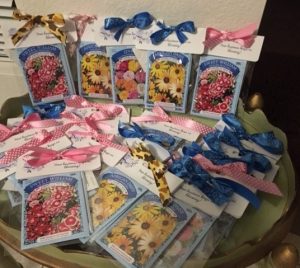
    (2). Flower seeds in a bag-with-bow. This is a seasonally appropriate way to send your client’s a special thank you for very little cost. Using Avery Bag Toppers (template #22801) and flower seeds, insert one or two packets of seeds in the bag and seal with your printed message.

    Use a paper punch to cut a hole at the top to insert ribbon or jute for a bow. You can find the template to create your special message at Avery.com.

    Use A9 Greeting Card envelopes for the right fit as you add your client’s address and send! Our message:                                                                                      “Your business keeps us blooming!”

    Estimated cost for 40 bags including postage: $2.48 each:

    • Avery labels #22801 (includes 40 bags & toppers): $19.00.
    • 1 roll of Jute Ribbon (9.5 mn x 5.4 m): $4.00
    • Seeds: 22 Garden Variety pack @ Walmart.com: $14.99 + tax
    • Book of Stamps (20 to a book): $11.60
    • A9 Greeting Card envelopes: $23.00 (100 count)

    Pet sitter Thank you idea for clients

    You can alternate with other bag inserts and messages also.  Ex: tea bags with the message: “Thank you for being a tea-riffic client!” or a small bag of nuts with the message: “We’re nuts about you!” These bulkier items can be hand delivered to avoid the cost of added postage.

    (3). Have a friend or staff member take a video of you (and/or staff) where you personally express a gratitude message: “Sending good thoughts and thanks. Have a happy day!” Pet Pro tip: Keep the video to less than 2 minutes. Don’t glam up for the “shoot”. (Dog or cat hair on your clothes keeps it authentic)!

    There are many ways to thank your clients.  Get creative and incorporate special thank you messages throughout the year. Every client counts! For additional inspiration, read this great list of gratitude messages @ https://hipinvites.com/thank-you-messages/

    Thank you for your dedication to the pet-sitting profession and all you do to pamper other people’s pets! It’s a life well lived with a lotta love!

    JOIN US for oodles of marketing tips, including our list of original, not-seen-before slogans you can use to brand your business (and so much more) @ http://app.comeback2.host/join-us/

    Hugs,

    Your Pet Pro Team @ AoPP