/home/qiocp3sxg2b3/public_html/app.comeback2.host/wp-content/mu-plugins pet sitter – Association of Pet Professionals

Tag: pet sitter

  • 4th of July Safety Tips for Professional Pet Sitters

    4th of July Safety Tips for Professional Pet Sitters

    Keeping dogs safe on 4th of July

    With 4th of July approaching, and backyard barbecues and fireworks to come, please remember that pets may not appreciate the fanfare as much as we do! July 5th is the busiest day of the year for animal shelters. In fact, dog shelters report a 30 – 60% increase in lost pets each year between July 4th and July 6th.

    Many pets do not react well to the loud noise of fireworks and will go to extreme lengths to avoid them….as in ESCAPE! Consider a dog’s natural instincts to sniff out their territory and guard against inherent dangers.

    A sudden change in their environment, such as a loud noise, intense flashes of light or gunpowder smells in the air can easily promote a “fight or flight” response.

    A dog’s acute sense of hearing is 100x better than ours. Extremely loud noises are especially painful if not anxiety-provoking for a dog. Conversely, Senior dogs not formerly prone to firework fears may show new signs of distress as their hearing changes with age. This could affect how they react as they register sounds differently.  

    In the interest of safe and professional pet care, please consider these 13 TIPS to ensure the protection of all pets during the 4th of July holiday:


    PROPER IDENTIFICATION

    (1). Make sure all pets have proper collars and ID tags, with current address and phone #. Micro-chipping is also a good idea. If a dog or cat gets loose, a Good Samaritan, shelter or Veterinarian will know to check for a chip and find the owner in the data base, for safe return.

    For the ultimate in pet protection, a dog owner and professional pet sitter might invest in a GPS tracker. Using smart technology to track a pet’s location and activity, these wonderful devices easily attach to the collar and can locate a lost dog within 3000 miles. We recommend CubeTracker (in Members Only section). NOTE: Air Tags are NOT recommended for use on pets.


    PLAN AHEAD

    (2). Whether entertaining at home or planning to leave the house, create a quiet room where your pet guests can’t see outside. Play soft, classical music. Turn on a fan or other “white noise” tactics and make sure they aren’t alone for long. If you must leave, include toys, hidden treats and comfort objects in this ‘safety’ room.

    CALMING SOLUTIONS

    (3). Calming solutions for dogs and cats, such as calming treats, pheromone diffusers, and anxiety wraps, offer numerous benefits for both pets and their owners. These solutions help reduce stress and anxiety, making pets feel more comfortable and secure. Best to discuss this with your clients in advance as they may have calming products to administer when their pets are in your care.

    Pet Pro Tip: Best to refrain from prescribing a calming aid without obtaining client permission first! You cannot predict if your furry guest will have a negative reaction to your “solution”.

    EXERCISE

    (4). Exercise dogs earlier in the day. In the cooler morning hours, take him for a nice long walk. Later in the day, play in the pool or use the garden hose to stay cool while fetching a ball in the backyard.

    KNOW WHAT’S GOING ON NEARBY RE: PLANNED EVENTS

    (5). Research local town news regarding city-planned firework displays, so you can anticipate when and for how long the blast will last. Pet Pro Tip: Consult with your neighbors or ask your client about neighborhood activity to inquire if they are planning to pop off a few rockets.

    HAVE PLENTY OF FRESH WATER AVAILABLE

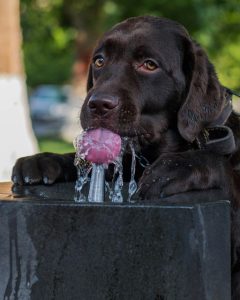
    (6). Have a full, fresh bowl of water available (anxious dogs pant more so need to drink more) and serve dinner well in advance (anxious dogs often won’t eat).  Keep dogs hydrated during summer and 4th of July
    STAY CALM TO KEEP THEM CALM

    (7). If you notice that a dog is getting anxious during the fireworks, speak soothingly during the display and shutter the windows or lower the blinds. Do not overly compensate their fear by smothering them with more-than-usual affection. However, if they run for cover, under a bed or behind a sofa, then seek you out for assurance, embrace that opportunity to snuggle and console. Never scold a dog for being scared.

    LEASH UP

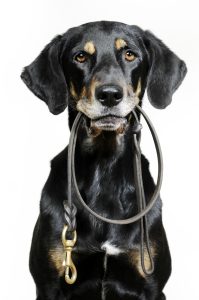
    (8). Leash all dogs when going outside. As an added precaution during fireworks displays near you, keep your dog on a leash when you let them out to potty (even in the backyard).
    How to start a pet business

    NO DOG OUTDOORS UNSUPERVISED EVER, EVER, EVER!

    (9). Never leave pets outside alone on any day, much less July 4th!! Many will panic and attempt to escape. Given their level of anxiety, they may dig under fences or rip through screen doors to flee the scene. This is a serious discussion to have with clients who have doggie doors and you will only be in the home for a short visit.

    BACK-YARD ENTERTAINING TIPS

    (10). If entertaining outdoors, be careful with human sunscreen and insect repellents. While you apply them on your own skin, make sure your dogs or cats aren’t in the spray. It’s o.k. to use sunscreen on pets if they are particularly susceptible (thin-coated dogs), provided they are vet-approved.

    (11). Be cautious around your barbecue grill. The grease trap is a huge temptation for a dog and is an unfortunate cause of pancreatitis if consumed. Lighter fluids and hot coals should be closely monitored. Coals and hot sparks can jump.

    (12). Keep animal treats on hand and ask guests to refrain from feeding the wrong food to your pets. Alcohol, coffee, chocolate, grapes, raisins, onions, avocado, fatty meats, nuts, salty or sugary snacks should not be shared with your pets.

    (13). Festive decorations are part of the 4th of July fun, but they can pose a hazard to pets. Strings of lights, streamers, and balloons can be enticing to pets but dangerous if chewed or swallowed. Keep decorations out of reach and clean up promptly after the celebrations. If you’re using sparklers, glow sticks, or other festive items, make sure your pets don’t have access to them. These items can cause burns, choking, or other injuries.

    Enjoy the celebration of our nation’s independence and have a safe and happy 4th of July!

    Hugs,

    Your Pet Pros at AoPP

    Additional tips from ASPCA: Fourth of July Safety Tips | ASPCAFourth of July Safety Tips | ASPCA

    JOIN US for a deeper dive into professional pet sitting resources to help you grow your business! Join Us – Association of Pet Professionals


    Photo attributions: featured image from 365 vet.co.uk (2019). 

    Dog holding leash in mouth on shutterstock (purchased)

    Dog drinking from fountain on unsplash



  • Ultimate Guide to a Memorable Road Trip with your Dog

    Ultimate Guide to a Memorable Road Trip with your Dog

    Safe driving with dogs


    For many dog owners and professional pet sitters, hitting the road with their furry companions is an exciting adventure. Whether it’s a short trip to the dog park or a cross-country journey, ensuring your pet’s safety during travel is paramount.

    Traveling with dogs requires some preparation and consideration, especially when it comes to road safety.

    If your dog isn’t accustomed to car travel, take some short practice drives to help them acclimate to being in the car. Start with brief trips around the block and gradually increase the duration as your dog becomes more comfortable.

    Use positive reinforcement and treats to create a favorable association with car rides.

    SAFETY

    Just as humans wear seatbelts for safety, dogs need to be properly restrained in the car.  Unrestrained dogs can be a distraction to the driver and can be seriously injured in the event of a sudden stop or accident.

    Invest in a sturdy harness or pet carrier designed for car travel. Avoid letting your dog ride in the front seat, as airbags can pose a danger to them if deployed.

    Your dog should be kept secure in the back seat, with either a ventilated crate (if crate trained) or at a minimum, a pet safety belt or travel harness. Ideally, his crate will be large enough to allow him to sit, stand, lie down and turn around.

    Never let your dog hang his head out the window!


    While many dogs love feeling the wind in their face, allowing them to stick their head out of the car window is risky.  Debris from the road or passing cars can cause eye injuries.

    Sudden stops or swerves could cause your dog to fall out the window and become injured. Keep the windows cracked open just enough to provide ventilation only.

    It’s never safe to leave your dog unattended, especially in hot weather. Even with the windows cracked open, temperatures inside a car can quickly reach dangerous levels, leading to heatstroke and even death. Ideally, you have a human travel companion to stay with the dogs in your air-conditioned car while you make gas and fast-food breaks.

    You might want to research Veterinarians and 24/7 clinics in the area you plan to visit. Hope you don’t need those resources, yet in the interest of safety and preparedness it’s a good idea.

    Professional pet sitters should be trained in Pet CPR & First Aid. Pet sitter certification not only sets you apart from your competition, it is a useful skill should you encounter an emergency while traveling with your pet. Editor’s note: our Members Only section offers member discounts for essential training courses.


    MOTION SICKNESS


    Before hitting the road for the first time, it’s a good idea to practice first with short trips. This will help your dog adjust to a longer car ride and lets you know if your dog is prone to motion sickness.

    If that’s the case, talk to your Vet about anti-nausea medication. Your pet should eat a light meal 3-4 hours prior to departure.

    Consider the locations you will be visiting and talk to your Vet about possible threats in those areas. While your dog may be updated on routine vaccinations, there may be other “lifestyle” vaccinations to consider when entering new terrain, such as Lyme disease or Leptospirosis.

    WHAT TO PACK

    Comfort objects from home, such as a favorite toy and pet bed, will help with the change of scenery. In addition to plenty of food and treats, you should also bring:

    • portable water and drinking bowls
    • a pet first aid kit
    • medications
    • proof of vaccinations
    • ID tags
    • collar, leash and/or harness
    • bottled or tap water in large jugs (recommended to avoid bacteria ingestion from unreliable public sources).

    Check the weather forecast in advance. Weather-related accessories may be required if you’re traveling to a different climate. If your dog is used to year-round sunshine and you’re headed to the mountains, consider a dog sweater or raincoat.

    If you are headed to open spaces, such as a campground, an extra precaution might be a GPS Whistle tracker to place on your dog’s collar. The GPS function will track any on-the-loose dog within 3000 miles. Editor’s note: If you’re considering putting an AirTag on your dog’s collar, don’t — the risks outweigh the rewards. Read this article for the risks associated with AirTags: https://appleinsider.com/articles/23/01/31/heres-why-you-dont-put-an-airtag-on-your-dogs-collar

    PIT STOPS WITH YOUR POOCH


    Puppies and senior dogs will need more frequent restroom breaks. Stopping every 2-3 hours is a good rule of thumb and will allow all of you to stretch your legs and stay awake, especially if you plan to cover long distances in a day.

    There are many pet-friendly hotels that will accommodate your overnight stays, to break up the time spent in the car. Plan ahead and book reservations in advance. Hotel policies vary, including extra fees and weight or breed limitations.

    A great website to find dog-friendly hotels, restaurants and local events and venues (ex: dog parks and hiking trails): www.bringfido.com.

    State-run rest stops off the interstates might offer a designated pet area for your pit stops. Keep plenty of doo bags with you and always keep your dog on a leash when out of the car.

    Traffic is busy, including large, long-distance trucks that can spook a dog. Some states have breed restrictions, so research the states you plan to travel in to ensure you’re not entering an area that doesn’t appreciate your dog’s heritage.

    DOGGIE DAY-CARE OR BOARDING


    If you plan to attend a day-long event, such as a wedding or graduation upon arrival, look up dog day-care or dog boarding facilities nearby. Some dogs can’t be left alone for long periods, particularly in an unfamiliar place. Be sure to call ahead to confirm pet resort availability! Pet resorts have specific vaccination requirements that your dog may or may not have. 

    Once you arrive at your destination, do your best to maintain established routines while also enjoying your vacation getaway.

    Hit the road with happy hearts and wagging tails!

    Join us for more helpful tips and tools as a professional pet sitter @ Join Us – Association of Pet Professionals

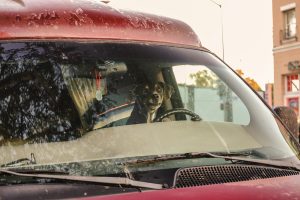
    Photo credits: young couple with dog: RDNE on pexels and dog behind car wheel: Justin Choi on pexels

  • Keeping Your Pets Cool: Essential Tips for the Summer Heat

    Keeping Your Pets Cool: Essential Tips for the Summer Heat

    When someone refers to the Dog Days of Summer, they are actually referencing the hottest time of the year, typically July 3-August 11. The phrase has its origins from the Greeks and Romans when the Sirius “Dog Star” appeared to rise before the sun in late July.

    It’s also a time of year when we must seek creative ways to keep our pets safely entertained and exercised during the hot summer months. As pets still need exercise, a daily walk becomes problematic if you live in high heat country. Any dog can suffer heatstroke within minutes.  Don a fur coat and go for a walk outside to grasp how bad it is for them.

    Short-nosed and overweight dogs overheat quicker. Brachycephalic breeds with their flat faces and short skulls such as Bulldogs, Shih Tzus, Boxers, Pugs, Pekinese, Lhasa Apso, Boston Terriers, Brussels Griffon, Cavalier King Charles, and Bull Mastiffs are especially vulnerable.

    Their airways are already compromised by a reduced ability to breathe which make them highly susceptible to heat exhaustion and stroke. As all dogs regulate their body heat by panting, excessive hot and humid conditions make it much harder for these unique breeds, if not a strain on any dog while spending time outdoors in the sun.

    Limit Outdoor Exercise & Reduce Intensity

    While exercise is essential for pets, it’s important to be mindful of the temperature when taking them outside. Avoid strenuous exercise during the hottest parts of the day, typically between 10:00 AM and 4:00 PM. Instead, schedule walks and playtime during the cooler parts of the day.

    During hot weather, reduce the intensity and duration of walks to prevent pets from becoming overheated. Focus on shorter, more leisurely strolls to ensure safety and comfort.

    Choose Shaded Routes

    Hot pavement can burn a pet’s paw pads, so always test the surface with your hand or barefoot before allowing them to walk on it. Some pet owners may have protective booties for their dog. Opt for walking routes that offer plenty of shade, such as tree-lined streets or parks with shaded pathways.

    walking dogs safely in the summer in shady spots

    Shade and Shelter

    Whether your pets spend most of their time indoors, it’s also important to provide shady spots when outside for brief moments. Keep curtains and blinds closed during the hottest part of the day to block out the sun’s rays.

    Provide Lots of Water

    Always carry a portable water bottle and bowl for pets to stay hydrated during walks. Offer water breaks frequently to prevent dehydration. Make sure your pets have access to plenty of fresh, cool water at all times. Dehydration can occur quickly in hot weather, so regularly refill their water bowls and also consider placing multiple bowls around your home and yard.

    Use Sun Protection

    Light or pink-skinned dogs will benefit by a little pet sunscreen when outdoors. Extra caution is required in this regard, as not all sunscreen products work for dogs. For further information on sunscreen products for dogs, please read this great article: https://www.vetinfo.com/what-is-the-best-dog-sunscreen.html Cooling vests and bandanas are a good accessory to have on hand when walking dogs in the hot summer months.

    Other Cool-Down Ideas

    • If you have access to a pool, go for a swim! Some breeds are not naturally amphibious or may be reluctant without proper water introduction, so fill a small, plastic play pool with cool water instead.
    • Serve tasty cool-down treats.  Fill an ice-cube tray with low-salt chicken broth or stuff a Kong with peanut butter or cream cheese and freeze before serving.

    Pet Pro Tip: Another fun summer recipe: Blend one ripe banana, 4 ounces of plain yogurt, 1 TB creamy peanut butter and freeze in containers to serve as a healthy doggie “ice cream”. Add sliced apples, carrots or chopped chicken for extra flavor!

    • Groom your dogs, remove matts and tangles and consider a minor summer trim. Their coats protect them in both winter and summer, so a shave-down is not recommended. A daytime bath in the tub can be a fun cool down moment also!
    • Invest in entertainment toys and puzzles. A new toy can be fun for any dog!
    • Cooling dog beds and mats are all the rage this time of year. These special beds include a gel-activated insert to help keep pets chill.

    Know the Signs of Heatstroke

    Every pet sitter and dog owner should know these common signs of heatstroke:

    • Mental “dullness”
    • Red gums
    • Excessive panting
    • Drooling
    • Thick, sticky saliva
    • Unable or unwilling to move
    • Uncoordinated movement
    • Diarrhea
    • Vomiting
    • Collapsing or loss of consciousness

    If you suspect a dog is suffering from heatstroke, place him/her in a cool tub, shower or wrap a cool towel around the body, including the back of their head and neck. Do not use ice-cold water and keep their head elevated (while in the tub or shower). If you can take their temperature, normal body heat for a dog is 99-101. If their temperature is at 103 or above, call your vet. Temperatures between 106-107 degrees are life threatening.

    The best way to avoid heatstroke is to eliminate strenuous exercise during peak hours, do not leave dogs outside during the day and NEVER leave them in a car. A car can become an oven quickly.

    As pet owners and professional pet sitters, it’s our responsibility to ensure the safety and well-being of our furry companions, especially during the hot summer months. By following these essential tips for keeping pets cool, you can help prevent heat-related illnesses.

    Our Association offers a boatload of pet sitter resources, training, tips and tools to help you grow your pet sitting business.  Join us today to enjoy the benefits of membership @ http://app.comeback2.host/join-us

    Stay cool, be safe and enjoy your summer!

    Hugs,

    Your Pet Pro Team @ AoPP

    photo attributions:

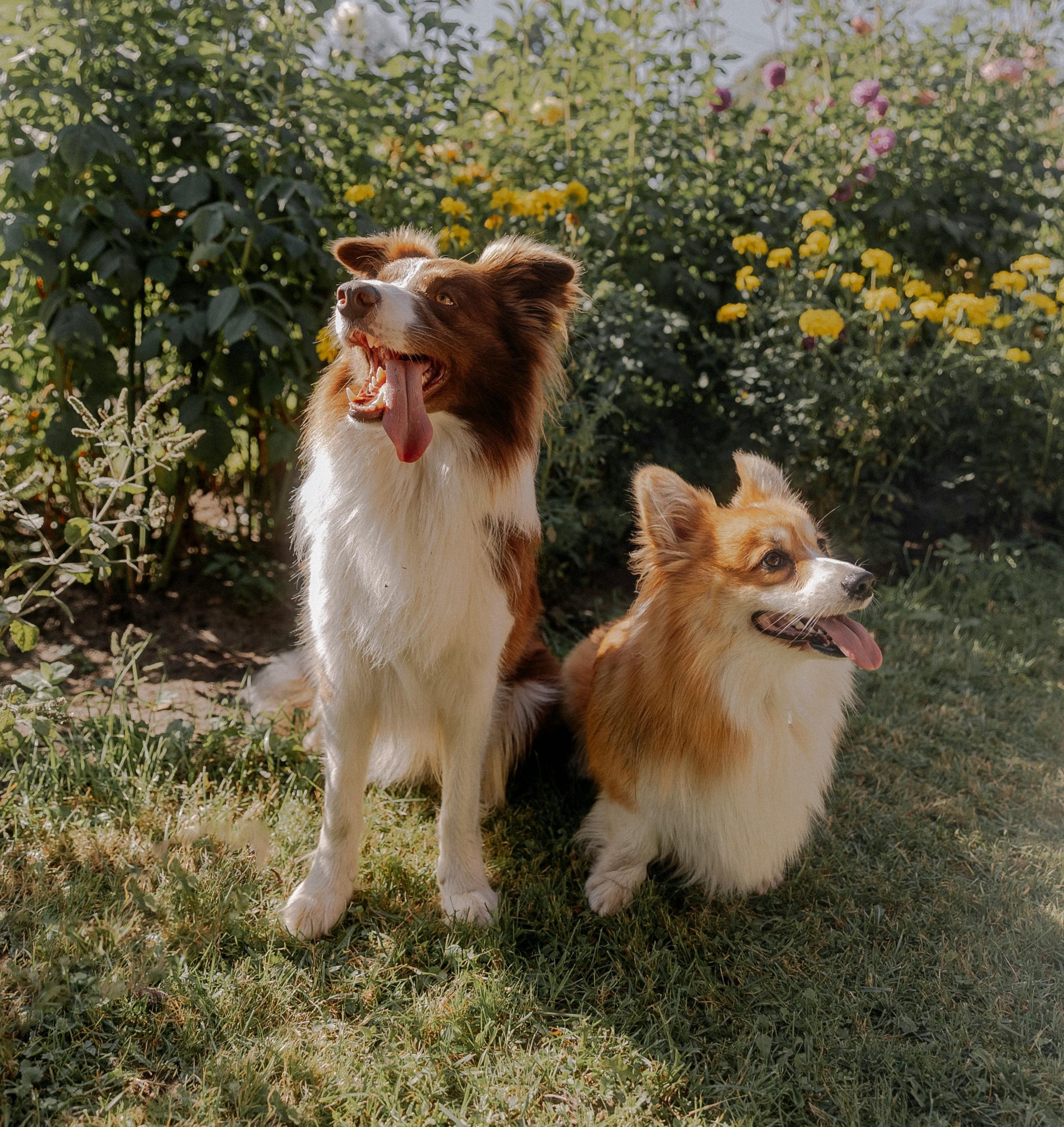
    2 dogs panting in the sun: Elina Volkova on pexels AND dog walker under shady tree: Julio Lopez on pexels


  • 8 Healthy Herbs for Dogs

    8 Healthy Herbs for Dogs


    Whether you cook or use herbs for healing and well-being, herbs contribute substantially to your dog’s overall well-being. The benefits of herbs are both dietary and therapeutic, and we can share the benefits of these plants with our dogs.

    A dog’s digestive health can be improved with herbs and spices because they’re packed with antioxidants and anti-inflammatory compounds. Let’s discuss how herbs are beneficial for your dog and what different herbs you can include in your dog’s diet that can improve his health.

    How Can Herbs and Spices Benefit Your Dog?

    Each of our dog recipes includes fresh herbs, as well as a variety of other spices, herbs, and whole foods, such as chia seeds, kelp, and turmeric.

    There are plenty of polyphenols and antioxidants in herbs and spices. As a powerful antioxidant, green chlorophyll in herbs aids in the removal of toxins from both the internal and external body. Furthermore, they are also helpful in alkalizing the body as well as being beneficial medicinally.

    In addition to fiber, protein, vitamins, and minerals, herbs can also be added to your pet’s food. There is as much calcium in a mere two teaspoons of dried basil as there is in a full glass of milk.

    Adding herbs to your dog’s diet can also bring about a variety of flavors and tastes. The key to achieving optimal health and keeping your dog happy and interested in their food is diversity of flavor and taste preferences.

    8 Healthy Herbs for Your Dogs

    Spices and herbs that are nutrient-rich can fulfill a multitude of functions. Your dog’s digestive system will be enhanced, their mood elevated, and even their breath will be improved with these herbs and spices.

    1.     Aloe Vera

    Aloe Vera is one of the best herbs for a dog. As a key antioxidant that supports the immune system of your dog, it combines anti-inflammatory and antibacterial properties. Aloe Vera has the following benefits:

    • Strengthens the immune system
    • It promotes the healing process in the body

    The best way to administer it to your dog: Simply apply it to your dog’s skin to soothe and heal any rashes and irritations. Breeds such as English Bulldogs tend to develop skin diseases such as muzzle acne, and dermatitis due to their skin folding so applying aloe vera to their skin reduces the severity of the skin disease.

    2.     Basil

    As with humans, dogs can also benefit from the health-giving properties of basil, which is well-known as an antioxidant. Other properties of basil include antiviral, antibacterial, and anti-inflammatory properties. Some have even stated that it can alleviate a dog’s arthritis pain in the long-term. Basil has the following benefits:

    • A fun and mood-lifting experience
    • Prevents certain diseases from occurring
    • Enhances health and well-being

    The best way to administer it to your dog is by adding it to fresh or dry dog food regularly.

    3.     Cinnamon

    Cinnamon is a major favorite among dogs. Despite long-standing belief that it is harmful for them, recent research shows that it is not harmful at all when properly diluted and given in small quantities rather than bulk. We are talking about cinnamon spice not the oil be careful on what you give to your dog.

    Putting a quarter teaspoon of the powder in your dog’s water is more than enough, especially if your dog is a small breed. Since cinnamon contains a lot of antioxidants, it is beneficial to the general health of an individual. Cinnamon has the following benefits:

    • It is effective in preventing bad breath
    • Taking this supplement may help prevent diabetes and sepsis

    The best way to administer it to your dog: It is recommended to mix cinnamon powder into your pet’s food in order to gain its benefits.

    4.     Ginger

    It is time to introduce ginger root. Your dog will benefit from the root’s antibacterial and anti-inflammatory properties, and digestive health becomes a key consideration. The root of this plant aids in the digestion of pet food, which enhances a healthy digestive system. Ginger has the following benefits:

    • Increasing the circulation of blood
    • Enhances digestive health
    • Assists in reducing nausea
    • Aids in combating motion sickness

    The best way to administer it to your dog: To give your dog ginger root you can add finely chopped, ground, or dried ginger root.

    5.     Parsley

    You should know that parsley is not just useful as a flavoring for pasta. Parsley is also a natural herb that contains many essential nutrients your dog needs. It contains flavonoids, antioxidants, and vitamins. The plant can reduce stomach pain as well as refresh breath. Parsley has the following benefits:

    • Improves the functioning of organs
    • It helps to improve the breath of dogs
    • Gets rid of toxins

    The best way to administer it to your dog: You should administer fresh parsley to your dog for maximum benefits, but dried parsley is also effective.

    6.     Rosemary

    The leaves of the rosemary plant are rich in vitamin B6, iron, and calcium. Dogs and humans alike benefit from the inclusion of this herb in a balanced diet. This plant is also believed to have antioxidant properties, which may make it beneficial to the brain. Rosemary has the following benefits:

    • Potentially prevents the onset of certain diseases
    • Enhances heart health by promoting antioxidant activity

    The best way to administer it to your dog: Provide your dog with either fresh or dried rosemary in their daily life, and they will greatly benefit from it.

    7.     Turmeric

    As an anti-inflammatory spice, turmeric is able to provide your dog with many health benefits. The spice contains curcumin, a superpower antioxidant and antiviral ingredient, which boosts your dog’s immunity. Turmeric has the following benefits:

    • Boosts the immune system and metabolism at the same time
    • Prevents the spread of infection
    • Enhances the healing process of wounds

    The best way to administer it to your dog:  For dogs, turmeric is administered by feeding them 5-ten mg per pound of body weight per day as normal dog food to aid in the healing process.

    8.     Coriander

    The taste of coriander is very appealing to most dogs. Therefore, it is a positive aspect that it has lots of health benefits. In addition to its antibacterial properties, coriander also boasts antibiotic, antifungal, antioxidant, and anti-cancer properties. Additionally, coriander has the ability to enhance calcium absorption while stabilizing blood sugar levels. Coriander has the following benefits:

    • It possesses antibacterial properties
    • Coriander provides antioxidants, vitamin A, and vitamin K, among other nutrients, that aid in preventing free radical damage.

    The best way to administer it to your dog: You can sprinkle a pinch of ground coriander or chopped leaves on their food when you feed them. These pets are also safe to be fed seeds and coriander roots, of course.

    Takeaway – Healthy Herbs for Dogs

    The listed 8 herbs are scientifically proven to be very beneficial for dogs. Although there are many other herbs as well, research them thoroughly before adding them to your dog’s diet.

    The use of certain herbs is not recommended for dogs that have serious health issues or are pregnant. In the event your pet is taking medication, you should ask your veterinarian if herbal supplements will reduce the effect of the medication.

    Editor’s note: As always, consult with your veterinarian before changing your dog’s diet.  Additionally, only a teeny, tiny amount of each herb should be considered.  This article is well sourced with links to additional information for your continued research and possible consideration of “spicing up” your dog’s diet.

    This article was provided by Arslan Hassan with our thanks for a well-sourced review of healthy herbs for dogs. Arslan Hassan is an experienced content writer with a passion for writing, designing, and anything tech related. guest blogger Arslan Hassan

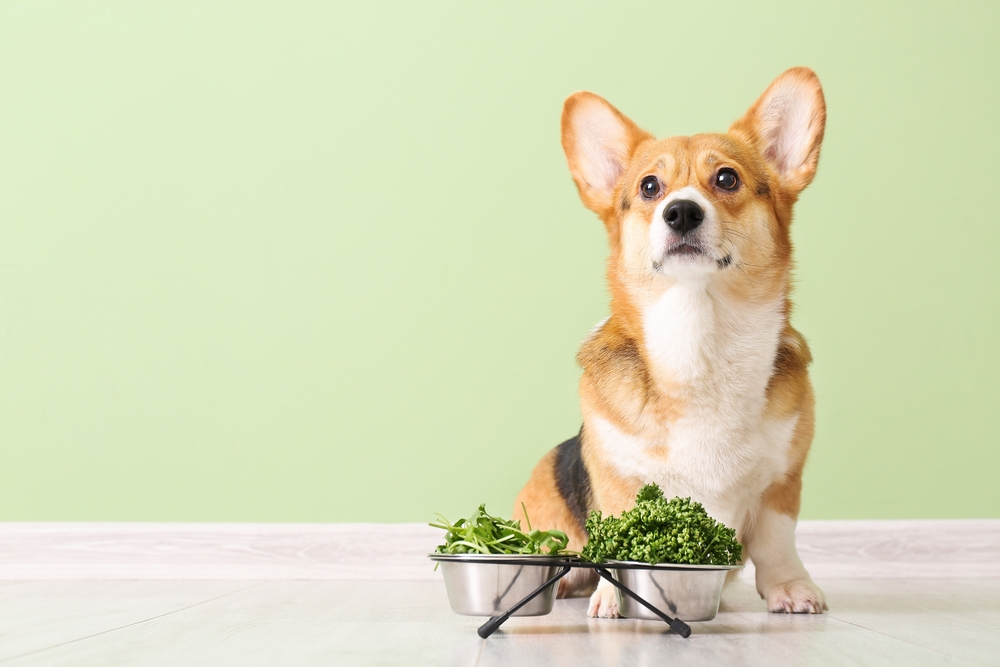
    Image “cute-corgi-dog-herbs-vegetables-near-20 34320018” also provided by Arslan via shutterstock and purchased license to use.


  • A Dog’s New Year’s Resolutions

    A Dog’s New Year’s Resolutions


    As you consider your goals for the New Year, take a minute to consider what your dog might want from you in 2024. As you fill in the calendar of a new year, please include your dog, or family of pets you care for, regarding their needs and how to include them in your daily life.

     A Dog’s New Year Resolution List might look something like this:

    (1). Take me for daily walks.  I adore the outdoors and opportunity to use my superpower sense of smell to “process” the world. It gives me great pleasure to diagnose the scents around the ground. Please don’t pull me along because you’re in a hurry.  Let me stop and sniff the bushes, light poles and fire hydrants that command my nosy attention. It may be the only activity for me today, so let’s make it count.

    (2). If we can’t go for a walk, can we play an indoor game instead? I like spending time with you, so let’s play hide and seek, toss some balls or squeaky toys around or teach me a new trick. New toys, entertainment puzzles or a treat-stuffed Kong will help keep me occupied when you’re not home and I’m alone.

    I would love it if I could go with you when you run errands.  I can’t stay in the car alone, but I hear Home Depot and many other dog-friendly stores open their doors to 4-legged patrons, so let me join you on those jaunts.

    (3). If you notice that I have bad breath, I may need a teeth cleaning. Hard chew bones might help detract the plaque and keep me gleefully occupied but brushing my teeth daily will help keep my canines clean and avoid losing them later in my life.

    (4). I don’t like going to the doctor’s office any more than you do yet monitoring my health with annual (or semi-annual) well exams should be on our calendar this year, especially if I’m 5 or older.  I’m aging faster than you are, so periodic check-ups, not just routine vaccinations, will allow me to enjoy your company longer if something exists that needs preemptive attention.

    (5). Please keep my coat clean and debris free.  Mats are uncomfortable and over-grown toenails make it harder for me to walk.  When you brush me, it’s like a massage!  Let’s do that often.

    (6). Make sure I have proper identification. I might discover accidental outdoor freedom and don’t want to get lost and not find my way home to you.

    (7). I appreciate that you let me sleep indoors and have provided a soft bed to call my own (sometimes in yours!). If you must travel without me, please choose a cage-free dog boarding option or a loving pet sitter to care for me in our home.

    (8). I need routine!  If something is upsetting you, I will comfort you.  If we both get caught up in a life-changing moment, please remember that I need to be comforted to.

    (9). Please feed me the highest quality dog food you can afford.  I appreciate that budget is a concern, yet that big feed bag with mystery ingredients isn’t the best buy for my long-term health. As I mature, I need dietary changes to coincide with my growing and changing needs.  I’ll do my best to enjoy the same food every day, yet variety is the spice of life (so I’ve heard).

    (10). If you rescued me, please know that I am truly grateful.  I may need some time to get past my past hurt.  Be patient and know that I want to attach again.  Do not detach from me during this transitional period nor give up on me, as others might have done before you and I met.

    We all need to feel wanted, protected and loved. Our human-animal bond is not only reciprocal in love and adoration, yet one of the best relationships we can have in its most simplistic form.

    Dogs are authentic and without pretense. To quote Josh Billings: “A dog is the only thing on earth that loves you more than he loves himself.”

    Resolve to make each day the best it can be for you and them.

    Hugs,

    Your Pet Pros at AoPP

    If your New Year resolution is to grow your pet sitting business, JOIN US as a member so we can help you achieve new heights! http://app.comeback2.host/join-us/

    photo attribution: Cole Keister on unsplash

  • Does your Dog Eat your Socks & Shoes?

    Does your Dog Eat your Socks & Shoes?

    why dogs eat socks
    You may have experienced this unique phenomenon when you turn around and your dog (or furry guest) has your underwear in his mouth! What’s the first thing you do? Laugh or begin the chase (which is always fun for a dog to play “keep away”)?

    Either way, they are getting a reaction out of you. So, if it isn’t an attention-getting maneuver, what else may be driving your dog to your socks, shoes and private garments? We know that a dog’s sense of smell is off the charts (compared to us mere mortals). Any smell of a particular object is a science experiment for a dog to perform. Your personal scent may be comforting to him and let’s face it, shoes, socks and other clothing items may be more pungent than we care to admit.

    Some dogs may consume non-food items due to a medical condition known as “PICA”.

    Pica may promote the digestion of not only fabric items, but also metal, plastic, cloth, garbage, rocks, paper, dirt, and feces*. NOTE: to be classified as PICA, the dog needs to EAT the item (not just chew on it).

    *The consumption of feces is a condition called “coprophagia” and more common with puppies until they mature. Nursing female dogs will eat their puppy’s feces after expulsion.

    PICA is most notably a compulsive disorder, yet it can also be the result of poor nutrition, extreme hunger or an illness.

    Boredom, anxiety and stress will always be a factor in a dog’s unwanted behavior. A dog with high energy that is not exercised enough may resort to destructive chewing for release. Some medications (steroids and anti-seizure) may enhance a dog’s appetite to insatiable levels that those socks might satisfy in a pinch.

    Let’s also remember that puppies will chew on anything as they explore their new world once weaned.  Every puppy owner expects to lose a shoe, furniture leg, a few rocks, etc. while rearing their young charge.  Fortunately, with diligence and extreme oversight, this doesn’t last long!

    If you notice abnormalities after ingestion of any foreign matter, immediately seek advice and physical diagnostics with a veterinarian.  A complete physical exam, x-rays, fecal and urine analysis, and lab work will be needed.

    Other PICA symptoms can include:
    • Decreased appetite or anorexia.
    • Pawing at the mouth/face
    • Gagging or retching
    • Bloated stomach
    • Straining to launch a BM)
    • Dark, black tarry stool
    • Excessive drooling
    • Coughing
    • Blue/purple mucous in the mouth
    • Visible distress or abnormal behavior

    A professional pet sitter and resolute dog owner will always be hyper aware of a change in their dog’s behavior while keeping a watchful eye on them!

    For more information on PICA, read this great article by Barri J. Morrison, DVM for PetMed (4/3/23):  https://www.petmd.com/dog/conditions/behavioral/pica-dogs

    Another great source for further information on this subject: https://dogscatspets.org/dogs/dog-ate-sock/my-dog-ate-a-sock-symptoms-will-he-be-okay-and-what-to-do/

    We have a ton of resources for our MEMBERS to devour! Join us as a member @ http://app.comeback2.host/join-us/

    Photo attribution (dog eating a sock): dogscatspets.org

    Photo of Labrador munching on underwear:  actual client


  • What Breed is that Dog?

    What Breed is that Dog?


    While the AKC updates the growing and diverse canine community of unique breed mixes, (200+ registered breeds to date), has anyone else noticed there is a bourgeoning group of “designer dogs” that are now the rage?

    Revered for its intelligence, training ease and hypo-allergenic benefits, the Poodle is now cross bred to create the Labradoodle, Goldendoodle, Sheep-A-Doo, Husky-Doo, Pom-Poo, Schnoodle and the (older) lines of Cock-A-Poo, Malti-Poo, and Yorkie-Poo.

    Then we have Cheeks (Chihuahua-Pekinese), Puggles (Pug-Beagle), Pom-Chi’s (Pomeranian- Chihuahua), Shorkies (Shih Tzu-Yorkie) and Chiweenie’s (Chihuahua/Dachshund) just to name a few. These categories of 2 breeds that have been specifically mated are known as “cross breeds”. That is, two separate purebreds went on a date and had puppies. 🙂

    As a pet pro, it’s always helpful to look up a specific breed that you will be caring for, to get a hint as to the dog’s disposition and general behavioral tendencies. Be careful not to judge a book by its cover, however! An advance meet and greet is always a must.

    There’s much to be said about wanting a specific breed for characteristics that match the intended owner’s desires and lifestyle; by combining the best traits of each.

    Yet…how many shelter pets have you met, owned or cared for that was a mixed bag of two or more breeds that were some of the best dogs ever?

    Current estimates suggest that 53% of household dogs today are mixed breeds[i], so let’s give it up for the mutt!

    According to Dogtime.com: “Choosing a mutt is a lot like dating: you may meet a few dogs that seem interesting, and then fall in love with one for reasons that make sense only to you. (Choosing a purebred, on the other hand, is a little like saying, “I only date blondes.” You can still find a love match, but you may end up overlooking someone who’s even more perfect for you.) The truth is heritage matters very little. You’ll get along well with your dog because you both love to run, for instance, not because a piece of paper says he comes from a long line of dogs originating on the coast of Croatia.”

    Whether you own or care for a traditional purebred, designer- breed or home-grown mutt, we celebrate the fact that you wrap your arms around all dogs and wish you all the joy and happiness that dogs provide.

    Hugs from your Pet Pros at AoPP!

    Photo by Jenny Marvin on unsplash

    [i]Stanley Coren, PhD, DSc, FRSC, Canine Corner for Psychology Today (6/28/11)

  • The Importance of Socializing Dogs

    The Importance of Socializing Dogs

    Please socialize your dogs and encourage your clients in this important aspect of dog ownership. Socialization should start early (in puppyhood) and continue well into the dog’s adult years.

    Dogs yearn to learn the world, relying on their innate abilities and senses, and benefit greatly by interaction in a healthy and positive way. Early and consistent introduction to a variety of landscapes, including people, kids, other dogs and animals in public places will go a long way to developing their sense of balance and well-being…and contentment for both owner and companion. Socializing dogs with other dogs

    Ideally, pet owners want the confidence that their dog has the ability to properly navigate new environments, that doesn’t always include them! Such as when they leave for work or take a vacation that doesn’t include the dog.

    Too often, we see dogs that have become fearful and (some) react aggressively due to isolation at home and improper socialization.

    Dogs that are isolated develop many problems, including aggression, timidity, or unusual shyness. They lack the confidence when around new people or situations and will either cower, pant excessively, drool, lower their tails, shake all over, attempt to escape the situation and in some cases, growl and/or bite (out of fear).

    Think about the consequences of having to care for a dog who acts this way!

    If clients are planning to travel and will be gone for several days or weeks, how will the dog react in that situation? Cage-free boarding or move-in care are great options, yet is the dog prepared to be separated if the client is his only world experience?

    Consider the professional opinions of Daniel Estep, Ph.D. and Suzanne Hetts, Ph.D., Certified Animal Behaviorists and founders of Animal Behavior Associates, Inc. https://animalbehaviorassociates.com/

    “Dogs have a sensitive period for socialization between the ages of 3 and 12 weeks. This means that pleasant exposures to people, other dogs and other animals during this time will have long-lasting influences on the sociability of your dog. Well socialized dogs tend to be friendlier and less fearful of the kinds of individuals they were socialized to.

    Furthermore, don’t underestimate how important it is to continue to socialize your dog well into adulthood. We’ve seen quite a few dogs that seem to have been well socialized early in life, were friendly and accepting of people and other dogs and then began to react with threats or aggression during social encounters. These dogs had no traumatic or frightening experiences but became fearful and/or aggressive later, usually beginning around 8 months to 2 years of age.”

    Further support of the importance of socialization is cited by Michele Welton, author and dog trainer, in “Socializing your Puppy or Adult Dog to Get Along with the World”: *

    “Un-socialized dogs often develop fears and fetishes. Fears and stresses are bad for your dog’s health. Socialization takes away those fears and stresses. You can socialize your dog to be calm about what is happening in the world around him”.

    In the book “How to Be Your Dog’s Best Friend”, by the authors of “The Art of Raising a Puppy”, the Monks of New Skete: (Chapter 19): “Your Dog May be Lonely”:

    “Dogs are social animals, and they need to be included in a pack. Since we have deprived them of their normal pack – animals of their own species – and the freedom to set up social structures of their own, we must include them in our pack and help them adapt to human social structures. Many pet owners perceive their charges to be incapable of enjoying human company. The tendency is to isolate dogs rather than include them.”

    So, what can a dog owner do to socialize their dog?


    • Positive socialization can include dog obedience or agility classes, daily walks and local park outings, visiting dog-friendly stores and restaurant patios, taking them in the car and visiting friends and family (preferably those who also own dogs and have an open-door policy to other pets).
    • Enroll in local doggie daycare and/or dog training camps that offer daytime play and classes (if you don’t).
    • Encourage your clients to invite people and their pets to their home. Start with one person and one dog at a time. When they arrive, have them offer a treat and always talk in a calm and happy tone.

    PET PRO TIP: host a puppy party in your home or at a local park.  Keep it short (2 hours) and include entertainment activities with lots of treats!

    • Running errands with their dog is encouraged. This can include a latte at Starbucks or a stroll through Home Depot aisles. Lots of dogs in training are brought to Home Depot for the simulation and stimulation!
    • Go to a local pet store and let the dog pick out a toy.
    • Take a hike together! You will undoubtedly encounter other dogs along the way, yet the outdoor experience and new sights and smells will be over-the-top fun for the dog.

    PET PRO TIP: all of these activities can be added to your service menu as valuable add-ons for both you and your clients.  Field trips, hikes or Home Depot excursions can be fun for you too!

    You can also partner with reputable doggie day-care operators to trade referrals.  The bigger your network, the more you can position yourself as a trusted resource.

    Every dog, regardless of breed or age, can be a party animal. It’s up to the owner to unleash it, with your professional encouragement and services.

    Hugs and party on! Join us for more educational tips and tools @ http://app.comeback2.host/join-us/

    Your Pet Pro Team @ AoPP

    *The complete article by Michele Welton can be read @ http://www.yourpurebredpuppy.com/training/articles/dog-socializing.html.

    If you wish to view our video of a “puppy party in action”, use the “Contact Us” form and we’ll send you the link! http://app.comeback2.host/contact-us/


  • Halloween is coming! Are you Boo-Pared?

    Halloween is coming! Are you Boo-Pared?


    As Halloween approaches and you prepare for the thrill of trick-or-treat, be mindful of a dog or cat’s reaction to the hubris. Dogs and cats may be frightened by costumes. If you are pet sitting on Halloween, be careful about donning personal costumes and while walking among the parade of dressed-up revelers.

    Other Halloween Safety Precautions should include:

    Keep Candy Out of Nose Reach

    While it’s a scream for trick-or-treaters to fill their buckets with confections, consumption of chocolate (and potentially xylitol) is toxic to dogs and cats. Wrapped candy, if eaten, is another hazard and possible intestinal obstruction.

    Costumes for Dogs and Cats   

    how to be a pet sitter

    If you like to dress your dogs for Halloween, choose a costume that allows plenty of breathing room. Avoid costume adornments that can be chewed off, choked on or swallowed. A reflective costume is also a good idea.

    Decorations

    Keep a watchful eye on candles burning inside pumpkins. Curious noses might get burned if they get too close, or worse, knock them over and start a fire. Best practice is to buy the LED-or battery style candles to minimize risk yet still have a glowing effect.

    Keep Pets Safe and Indoors

    Keep dogs and cats inside and preferably in a quiet room, away from the front door. The sound of the doorbell ringing will promote barking and the pack instinct to protect the family from strangers…especially if they are dressed in weird costumes and making strange (spooky) noises! Make sure all dogs in your care have a collar and I.D. tag with current information; especially if they aren’t micro-chipped. Some dogs will be sufficiently scared and attempt to escape or slip out the door during the commotion.

    Bringing Fido Along

    If you take a dog with you while trick-or-treating, stay on the sidewalks or driveways to avoid what might jump out at them at the door. Many homeowners like to dress in costume and spook the kids when the door is opened. Those sincere intentions may not be well received by a dog.

    Professional pet sitters are always focused on pet safety. Make it a Happy & Safe Howl-aween!

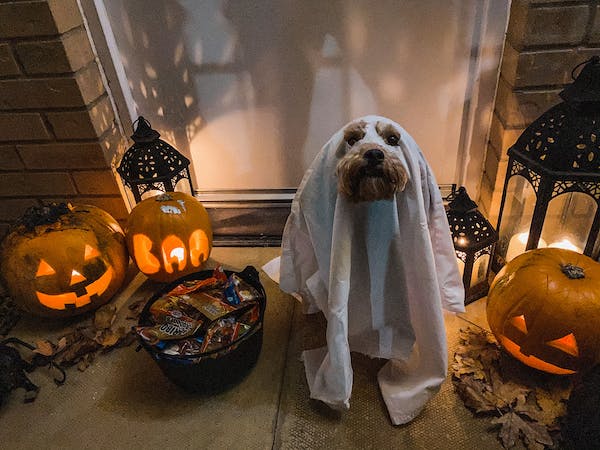
     photo attributions: dog in ghost costume by Matt Hill on pexels and dog in witch costume from private client, owner of “Roxy”


  • Do These Genes Make Me Look Fat?

    Do These Genes Make Me Look Fat?

    While some dog breeds are more prone to becoming overweight or obese, nearly half of the nation’s dogs and cats suffer some level of tipping the scales beyond their breed standards.

    The Association for Pet Obesity Prevention (APOP) reports that 59% of cats and 54% of dogs suffer from excess weight. Dr. Jerry Klein, AKC chief veterinary officer states: “Obesity in dogs is a widespread problem in the U.S. today, yet it is one of the most preventable problems.”

    Pet sitters are typically the “first responders” to notice this growing problem. Knowing what to look for and politely educating the owners is a best practice to employ.  Be polite and gentle in your suggestions yet having a few “fat facts” in your tool belt will help.

    While many factors may contribute to excess pounds, such as Cushing’s Disease or Hypothyroidism, obese dogs tend to be older females, dogs between the ages of 5-12 and those who aren’t exercised enough to offset their daily food and caloric consumption.

    Pet Pro Tip: This is a great promotional message for your dog walking services or to suggest more frequent walks for the heavier dogs in your client base.

    The long-term health problems from overweight issues include:
    • High blood pressure
    • Osteoarthritis
    • Heart disease
    • Diabetes
    • Respiratory issues
    • Orthopedic problems
    • Some forms of cancer
    • Shorter life spans

    How do you know if a dog needs to shed a few pounds?  When viewing them from above, he/she should have an hourglass shape.  From the side, ribs should be slightly visible with the abdomen tucked in and not hanging down.

    It’s important for dog owners to develop a health plan to keep their “hefty” dogs toned and fit.

    First starters should include a thorough physical exam with blood work, followed by a consultation with the family veterinarian to determine how to effectively reduce calories and increase exercise in a safe and methodical way.

    A comprehensive weight management program might include a diet change, fewer treats, smaller portions, or a complete change of food brand. All dogs require high-quality protein, especially seniors. Treats shouldn’t exceed 10% of daily caloric intake and can include carrots, green beans, apple slices (no skin or seeds), watermelon (no seeds), blueberries and other quality alternatives to Milk Bones (basically potato chips for dogs).

    Daily exercise is important for all dogs of all breeds and ages. Daily walks twice a day is ideal.

    “Most veterinary nutritionists recommend a consistent diet in order to ensure a balanced meal,” says Dr. Alvarez. “The most important nutrient for senior dogs is high-quality protein, due to a higher need for protein levels.” No matter the dog’s age, exercise is another important factor in keeping him/her healthy and fit. It’s also good for a dog’s mental state – a tired dog is less likely to get into mischief.

    Even older dogs should go out at least twice a day for mental and physical stimulation. “Dogs with heart or respiratory disorders can be taken out for shorter periods of time and during the cooler parts of the day,” says Dr. Alvarez. Some senior dogs can benefit from low-impact exercise such as swimming.

    Similarly, this weighty problem also applies to cats.  It’s estimated that a cat is considered overweigh” when they are 10-20% above their ideal body weight and OBESE when more than 20% over their ideal weight.  So what’s ideal?

    The ideal weight for the average healthy cat is 8-12 pounds. There are breed variations of course that detour from this general guideline.  A Maine Coon cat, for example, has a larger body frame so may have a healthy weight of 20 lbs as opposed to an Abyssinia.  They are petite in nature, so 6-8 lbs would be considered normal.

    A cat’s fluffy coat can make it difficult to assess their body weight, yet a bird’s eye view should show an hourglass shape with the abdomen tucking in behind the rib cage.  A veterinarian is the ultimate weight assessment professional.

    Not only does a “fat cat” risk shortened lifespan, but also an increased likelihood of developing other diseases such as:

    • Diabetes mellitus
    • Cancer
    • Heart disease and hypertension
    • Osteoarthritis and faster joint degeneration
    • Urinary bladder stones
    • Anesthetic complications
    • Skin and coat problems
    • Arthritis

    Feline obesity is a common disease and affects approximately 63% of cats. Diet and feeding strategies are therefore very important for proper weight management.

    Feeding a diet of mostly dry food may contribute more to weight gain vs. canned food. Feeding small, frequent meals or free feeding may avoid rapid food consumption and ‘begging’. Treats tend to be higher in fat and calories so should be kept to a bare-bones minimum.

    Keep this in mind and spread awareness among your pet sitting staff and client community about this important health aspect for dogs and cats.

    Hugs,

    Your Pet Pro Team at AoPP

    Photo by Flouffy on Unsplash

    Resources:

    If you’re curious about weight standards for individual dog breeds, check out this quick guide from AKC: Breed Weight Chart – American Kennel Club (akc.org)

    Better Pet Fitness in Four Steps — Association for Pet Obesity Prevention

    https://www.petmd.com/cat/conditions/digestive/c_ct_obesity

    For additional Pet Management Guides, Join us to gain access to a ton of resources in our Library of Content for Members Only: http://app.comeback2.host/join-us/