/home/qiocp3sxg2b3/public_html/app.comeback2.host/wp-content/mu-plugins pet sitter best practices – Association of Pet Professionals

Tag: pet sitter best practices

  • 4th of July Safety Tips for Professional Pet Sitters

    4th of July Safety Tips for Professional Pet Sitters

    Keeping dogs safe on 4th of July

    With 4th of July approaching, and backyard barbecues and fireworks to come, please remember that pets may not appreciate the fanfare as much as we do! July 5th is the busiest day of the year for animal shelters. In fact, dog shelters report a 30 – 60% increase in lost pets each year between July 4th and July 6th.

    Many pets do not react well to the loud noise of fireworks and will go to extreme lengths to avoid them….as in ESCAPE! Consider a dog’s natural instincts to sniff out their territory and guard against inherent dangers.

    A sudden change in their environment, such as a loud noise, intense flashes of light or gunpowder smells in the air can easily promote a “fight or flight” response.

    A dog’s acute sense of hearing is 100x better than ours. Extremely loud noises are especially painful if not anxiety-provoking for a dog. Conversely, Senior dogs not formerly prone to firework fears may show new signs of distress as their hearing changes with age. This could affect how they react as they register sounds differently.  

    In the interest of safe and professional pet care, please consider these 13 TIPS to ensure the protection of all pets during the 4th of July holiday:


    PROPER IDENTIFICATION

    (1). Make sure all pets have proper collars and ID tags, with current address and phone #. Micro-chipping is also a good idea. If a dog or cat gets loose, a Good Samaritan, shelter or Veterinarian will know to check for a chip and find the owner in the data base, for safe return.

    For the ultimate in pet protection, a dog owner and professional pet sitter might invest in a GPS tracker. Using smart technology to track a pet’s location and activity, these wonderful devices easily attach to the collar and can locate a lost dog within 3000 miles. We recommend CubeTracker (in Members Only section). NOTE: Air Tags are NOT recommended for use on pets.


    PLAN AHEAD

    (2). Whether entertaining at home or planning to leave the house, create a quiet room where your pet guests can’t see outside. Play soft, classical music. Turn on a fan or other “white noise” tactics and make sure they aren’t alone for long. If you must leave, include toys, hidden treats and comfort objects in this ‘safety’ room.

    CALMING SOLUTIONS

    (3). Calming solutions for dogs and cats, such as calming treats, pheromone diffusers, and anxiety wraps, offer numerous benefits for both pets and their owners. These solutions help reduce stress and anxiety, making pets feel more comfortable and secure. Best to discuss this with your clients in advance as they may have calming products to administer when their pets are in your care.

    Pet Pro Tip: Best to refrain from prescribing a calming aid without obtaining client permission first! You cannot predict if your furry guest will have a negative reaction to your “solution”.

    EXERCISE

    (4). Exercise dogs earlier in the day. In the cooler morning hours, take him for a nice long walk. Later in the day, play in the pool or use the garden hose to stay cool while fetching a ball in the backyard.

    KNOW WHAT’S GOING ON NEARBY RE: PLANNED EVENTS

    (5). Research local town news regarding city-planned firework displays, so you can anticipate when and for how long the blast will last. Pet Pro Tip: Consult with your neighbors or ask your client about neighborhood activity to inquire if they are planning to pop off a few rockets.

    HAVE PLENTY OF FRESH WATER AVAILABLE

    (6). Have a full, fresh bowl of water available (anxious dogs pant more so need to drink more) and serve dinner well in advance (anxious dogs often won’t eat).  Keep dogs hydrated during summer and 4th of July

    STAY CALM TO KEEP THEM CALM

    (7). If you notice that a dog is getting anxious during the fireworks, speak soothingly during the display and shutter the windows or lower the blinds. Do not overly compensate their fear by smothering them with more-than-usual affection. However, if they run for cover, under a bed or behind a sofa, then seek you out for assurance, embrace that opportunity to snuggle and console. Never scold a dog for being scared.

    LEASH UP

    (8). Leash all dogs when going outside. As an added precaution during fireworks displays near you, keep your dog on a leash when you let them out to potty (even in the backyard).

    How to start a pet business

    NO DOG OUTDOORS UNSUPERVISED EVER, EVER, EVER!

    (9). Never leave pets outside alone on any day, much less July 4th!! Many will panic and attempt to escape. Given their level of anxiety, they may dig under fences or rip through screen doors to flee the scene. This is a serious discussion to have with clients who have doggie doors and you will only be in the home for a short visit.

    BACK-YARD ENTERTAINING TIPS

    (10). If entertaining outdoors, be careful with human sunscreen and insect repellents. While you apply them on your own skin, make sure your dogs or cats aren’t in the spray. It’s o.k. to use sunscreen on pets if they are particularly susceptible (thin-coated dogs), provided they are vet-approved.

    (11). Be cautious around your barbecue grill. The grease trap is a huge temptation for a dog and is an unfortunate cause of pancreatitis if consumed. Lighter fluids and hot coals should be closely monitored. Coals and hot sparks can jump.

    (12). Keep animal treats on hand and ask guests to refrain from feeding the wrong food to your pets. Alcohol, coffee, chocolate, grapes, raisins, onions, avocado, fatty meats, nuts, salty or sugary snacks should not be shared with your pets.

    (13). Festive decorations are part of the 4th of July fun, but they can pose a hazard to pets. Strings of lights, streamers, and balloons can be enticing to pets but dangerous if chewed or swallowed. Keep decorations out of reach and clean up promptly after the celebrations. If you’re using sparklers, glow sticks, or other festive items, make sure your pets don’t have access to them. These items can cause burns, choking, or other injuries.

    Enjoy the celebration of our nation’s independence and have a safe and happy 4th of July!

    Hugs,

    Your Pet Pros at AoPP

    Additional tips from ASPCA: Fourth of July Safety Tips | ASPCAFourth of July Safety Tips | ASPCA

    JOIN US for a deeper dive into professional pet sitting resources to help you grow your business! Join Us – Association of Pet Professionals


    Photo attributions: featured image from 365 vet.co.uk (2019). 

    Dog holding leash in mouth on shutterstock (purchased)

    Dog drinking from fountain on unsplash


  • Tips for Finding Pet-Friendly Assisted Living Facility for Seniors

    Tips for Finding Pet-Friendly Assisted Living Facility for Seniors

    senior dog owners


    Another great article from Nick Burton @ http://ourbestdoggo.com! We appreciate the collaboration with guest bloggers. We’re sharing this unique perspective with our audience who may have clients or relatives at this stage in their lives. 

    Finding the best pet-friendly assisted living community is crucial for seniors who consider their pets as family. Pets offer unparalleled companionship and emotional support, which are vital for seniors transitioning to a new living environment.

    Exploring the right factors can lead to a harmonious living situation for both you and your four-legged friend. In this article, we explore essential considerations to ensure your move to an assisted living community is as smooth as possible for both you and your beloved companion.


    Finding the Right Facility


    Finding the right care facility is essential for health, happiness, and peace of mind. This process involves carefully evaluating individual needs, including medical requirements, daily assistance, and social activities, to ensure the facility offer the necessary services.

    Thorough research, including visiting potential facilities and consulting with healthcare professionals, can provide valuable information to make an informed choice. We recommend A Place for Mom for references and facility search locations: https://www.aplaceformom.com/

    Choosing the Right Pet-Friendly Environment


    Before you begin your search, it’s important to understand exactly what your pet’s needs are. A pet-friendly assisted living facility should have clear policies, ample amenities, and suitable accommodations. The presence of accessible outdoor spaces for walks and activities that cater to pet owners and nearby veterinary services are essential.

    Prioritizing Well-being for You and Your Beloved Companion


    The importance of self-care and stress management cannot be overstated for seniors and their pets. To minimize stress for the pet, maintaining a consistent routine and providing familiar comfort items can be helpful. Be on the lookout for signs of stress, such as behavioral changes or altered eating patterns, and address these concerns promptly.


    Selecting Comfort-Enhancing Pet Products


    In addition to relocating their trusted “comfort objects” from home, investing in something new for additional stimulation and enjoyment may ease their stress during the transition. Choose quality and peer-reviewed products for a new bed, toy, or special treats. These essential pet items can significantly contribute to their sense of security and happiness in their new home, in addition to maintaining established routines.

    Exploring the Advantages of Pets in Assisted Living


    Bringing pets into assisted living environments offers significant benefits, including reducing feelings of loneliness and promoting emotional support. Pet ownership has been shown to positively affect both physical and mental health, encouraging more social interactions and physical activity.

    These relationships are integral to the well-being of seniors, making pet-friendly communities highly desirable.


    Seeking Professional Pet Care Services


    Sometimes, you might need a professional pet sitter or dog walker who can care for your pet when you can’t. Look for those individuals with pet sitter certifications and liability insurance coverage which demonstrates their professional standards.

    A pet sitter, who belongs to a professional pet sitter association, is certified for Pet CPR & First Aid and additional pet sitting training helps solidify their professionalism and dedication to service excellence.

    It’s important to interview prospective pet sitters with your pet to observe their interaction with both of you. A good pet sitter will communicate meaningfully with you and provide regular updates on your pets’ activities and behavior.

    Staying on Top of Health and Vaccinations


    Ensuring your pet is up to date with vaccinations with regular health checks is paramount, as this will ensure both his safety and the safety of others within your new community. Core vaccines and additional health precautions should be discussed with your veterinarian. Regular veterinary visits for preventive care are the best way to keep your animal thriving, especially for senior pets.

    Understanding Community Policies and Size Restrictions


    Being informed about the size restrictions and specific pet policies of assisted living communities is essential.  Familiarizing yourself with these rules before making a decision will avoid unpleasant surprises. Compliance with these policies is crucial for a seamless transition to your new home, which will reduce stress for both you and your companion animal.

    With the right planning and consideration, finding a community that meets your needs and enhances your quality of life is in the best interest of keeping the family together and happy during this life-stage transition.

    The Association of Pet Professionals is here to help develop passionate pet care.  Join our association to cultivate your passion for pet care and gain valuable insights from the experts! Join now: http://app.comeback2.host/join-us/

    Many thanks to our guest editor Nick Burton for his salivating articles and contribution to our pet professional community!

    Photo attributions: Featured image by Provisionshots on Pexels and article insert by Cottonbro Studios on Pexels

  • Keeping Your Pets Cool: Essential Tips for the Summer Heat

    Keeping Your Pets Cool: Essential Tips for the Summer Heat

    When someone refers to the Dog Days of Summer, they are actually referencing the hottest time of the year, typically July 3-August 11. The phrase has its origins from the Greeks and Romans when the Sirius “Dog Star” appeared to rise before the sun in late July.

    It’s also a time of year when we must seek creative ways to keep our pets safely entertained and exercised during the hot summer months. As pets still need exercise, a daily walk becomes problematic if you live in high heat country. Any dog can suffer heatstroke within minutes.  Don a fur coat and go for a walk outside to grasp how bad it is for them.

    Short-nosed and overweight dogs overheat quicker. Brachycephalic breeds with their flat faces and short skulls such as Bulldogs, Shih Tzus, Boxers, Pugs, Pekinese, Lhasa Apso, Boston Terriers, Brussels Griffon, Cavalier King Charles, and Bull Mastiffs are especially vulnerable.

    Their airways are already compromised by a reduced ability to breathe which make them highly susceptible to heat exhaustion and stroke. As all dogs regulate their body heat by panting, excessive hot and humid conditions make it much harder for these unique breeds, if not a strain on any dog while spending time outdoors in the sun.

    Limit Outdoor Exercise & Reduce Intensity

    While exercise is essential for pets, it’s important to be mindful of the temperature when taking them outside. Avoid strenuous exercise during the hottest parts of the day, typically between 10:00 AM and 4:00 PM. Instead, schedule walks and playtime during the cooler parts of the day.

    During hot weather, reduce the intensity and duration of walks to prevent pets from becoming overheated. Focus on shorter, more leisurely strolls to ensure safety and comfort.

    Choose Shaded Routes

    Hot pavement can burn a pet’s paw pads, so always test the surface with your hand or barefoot before allowing them to walk on it. Some pet owners may have protective booties for their dog. Opt for walking routes that offer plenty of shade, such as tree-lined streets or parks with shaded pathways.

    walking dogs safely in the summer in shady spots

    Shade and Shelter

    Whether your pets spend most of their time indoors, it’s also important to provide shady spots when outside for brief moments. Keep curtains and blinds closed during the hottest part of the day to block out the sun’s rays.

    Provide Lots of Water

    Always carry a portable water bottle and bowl for pets to stay hydrated during walks. Offer water breaks frequently to prevent dehydration. Make sure your pets have access to plenty of fresh, cool water at all times. Dehydration can occur quickly in hot weather, so regularly refill their water bowls and also consider placing multiple bowls around your home and yard.

    Use Sun Protection

    Light or pink-skinned dogs will benefit by a little pet sunscreen when outdoors. Extra caution is required in this regard, as not all sunscreen products work for dogs. For further information on sunscreen products for dogs, please read this great article: https://www.vetinfo.com/what-is-the-best-dog-sunscreen.html Cooling vests and bandanas are a good accessory to have on hand when walking dogs in the hot summer months.

    Other Cool-Down Ideas

    • If you have access to a pool, go for a swim! Some breeds are not naturally amphibious or may be reluctant without proper water introduction, so fill a small, plastic play pool with cool water instead.
    • Serve tasty cool-down treats.  Fill an ice-cube tray with low-salt chicken broth or stuff a Kong with peanut butter or cream cheese and freeze before serving.

    Pet Pro Tip: Another fun summer recipe: Blend one ripe banana, 4 ounces of plain yogurt, 1 TB creamy peanut butter and freeze in containers to serve as a healthy doggie “ice cream”. Add sliced apples, carrots or chopped chicken for extra flavor!

    • Groom your dogs, remove matts and tangles and consider a minor summer trim. Their coats protect them in both winter and summer, so a shave-down is not recommended. A daytime bath in the tub can be a fun cool down moment also!
    • Invest in entertainment toys and puzzles. A new toy can be fun for any dog!
    • Cooling dog beds and mats are all the rage this time of year. These special beds include a gel-activated insert to help keep pets chill.

    Know the Signs of Heatstroke

    Every pet sitter and dog owner should know these common signs of heatstroke:

    • Mental “dullness”
    • Red gums
    • Excessive panting
    • Drooling
    • Thick, sticky saliva
    • Unable or unwilling to move
    • Uncoordinated movement
    • Diarrhea
    • Vomiting
    • Collapsing or loss of consciousness

    If you suspect a dog is suffering from heatstroke, place him/her in a cool tub, shower or wrap a cool towel around the body, including the back of their head and neck. Do not use ice-cold water and keep their head elevated (while in the tub or shower). If you can take their temperature, normal body heat for a dog is 99-101. If their temperature is at 103 or above, call your vet. Temperatures between 106-107 degrees are life threatening.

    The best way to avoid heatstroke is to eliminate strenuous exercise during peak hours, do not leave dogs outside during the day and NEVER leave them in a car. A car can become an oven quickly.

    As pet owners and professional pet sitters, it’s our responsibility to ensure the safety and well-being of our furry companions, especially during the hot summer months. By following these essential tips for keeping pets cool, you can help prevent heat-related illnesses.

    Our Association offers a boatload of pet sitter resources, training, tips and tools to help you grow your pet sitting business.  Join us today to enjoy the benefits of membership @ http://app.comeback2.host/join-us

    Stay cool, be safe and enjoy your summer!

    Hugs,

    Your Pet Pro Team @ AoPP

    photo attributions:

    2 dogs panting in the sun: Elina Volkova on pexels AND dog walker under shady tree: Julio Lopez on pexels


  • Unlocking Canine Wellness: A Guide to Mental Enrichment for Dogs

    Unlocking Canine Wellness: A Guide to Mental Enrichment for Dogs


    Mental enrichment is critical for dogsWe’re happy to have one of our favorite guest editors back, with another great article from Nick Burton of ourbestdoggo.com.
    Enhancing your dog’s quality of life involves more than routine walks and yummy treats. It requires a dedicated approach to nurturing their physical, mental, and emotional well-being.

    By spending quality time with him, ensuring that he has a safe and comfortable environment, and giving him quality nutrition, you can expand his life expectancy while making sure he’s happy.

    This guide, courtesy of Association of Pet Professionals, provides effective strategies to ensure your furry friend enjoys a vibrant, fulfilling existence through varied activities and thoughtful care.

    Varied Play Experiences

    Elevating playtime involves introducing your dog to a variety of stimulating activities that engage both their mind and body.

    From challenging puzzle games that test their problem-solving skills to scent work that taps into their natural instincts, and dynamic interactive games that offer robust stimulation and foster an energetic lifestyle.

    These varied forms of play not only prevent boredom but also promote healthier, more active behaviors, ensuring your dog’s day is full of enriching experiences.

    Engaging Toys and Gadgets

    To keep your dog mentally stimulated and entertained even in your absence, consider introducing various enrichment toys and gadgets designed specifically for canines.

    These items help maintain their cognitive functions and alleviate boredom, making every moment at home an opportunity for discovery and play.

    These tools are designed to challenge and entertain, offering mental exercises that are crucial for your dog’s development and happiness.

    Personalized Celebration of Achievements

    Recognizing and celebrating your dog’s unique personality and milestones is essential. Personalized rewards such as favorite treats, new toys, or heartfelt praise make each achievement a joyous occasion.

    This not only reinforces positive behavior but also strengthens the emotional bond between you and your pet.

    Celebrating your dog’s achievements fosters a positive environment where they can thrive and feel appreciated for their unique traits and accomplishments.

    Positive Training Techniques

    Regular, engaging training sessions are vital for promoting desirable behavior while strengthening the bond you share with your dog.

    These sessions should be fun, rewarding, and built on positive reinforcement, helping your dog learn in a stress-free environment that makes education a delight.

    By focusing on positive training methods, you encourage a lifelong love for learning in your dog, while also ensuring that each training session enhances your mutual trust and respect.

    Innovative Mealtime Adventures

    Transforming mealtime into an engaging adventure can significantly enhance your dog’s daily routine.

    Using food puzzles and interactive feeders engages their natural foraging instincts and adds an element of fun to their diet, turning what could be mundane into an exciting challenge.

    This approach not only stimulates your dog’s mind but also helps regulate their eating pace, improving digestion and maintaining their physical health.

    Tranquil Bonding Opportunities

    Dedicating time to calm bonding activities such as gentle grooming or quiet cuddling plays a crucial role in expressing love and security to your dog.

    These peaceful moments are vital for deepening your connection and providing your pet with a sense of calm and safety.

    They offer a break from the day’s excitement and allow for a personal connection that nurtures your dog’s emotional health.

    Sensory and Nose Work Games

    Incorporating games that utilize your dog’s keen sense of smell can greatly enrich their mental stimulation.

    Nose work and other sensory games are not only fun but also serve as a great mental workout, keeping their senses sharp and their minds engaged.

    These activities cater to the natural instincts of dogs, making them an essential part of any enrichment plan.

    By implementing these diverse and thoughtful strategies, you can significantly enhance your dog’s quality of life. Each day presents a new opportunity to explore different ways to ensure your dog is happy, healthy, and emotionally fulfilled.

    Embrace these methods with enthusiasm and watch as your dog thrives in a well-rounded and loving environment. With these enriching activities and careful attention to their needs, your dog’s life will be filled with joy and contentment.

    Association of Pet Professionals offers support and resources to help those in the pet care business become the best they can be. Get in touch today to talk about your business needs! http://app.comeback2.host/contact-us/


    Featured image photo attribution on Pexels

    Dog wearing glasses by Samson Katt on Pexels

  • Pet Sitter’s guide to Best Dog Food

    Pet Sitter’s guide to Best Dog Food


    Feeding a dog properly is very important to ensure a healthier, longer life. It’s helpful to understand what compounds are crucial for a dog’s optimum health, in order to obtain the best possible results – from the bowl to the tummy! Pet sitters will benefit by these basic tenants to demonstrate their professionalism and knowledge.

    What are the main Nutritional requirements for Dogs?

    One thing to keep in mind is that every dog’s diet needs at least 6 main nutrients. These include (a) fats (b) minerals (c) vitamins (d) carbs (e) protein and (f) water. These essential ingredients are pivotal for a dog’s diet to fulfill the basic functions for the body.

    With that being said, studying the nutritional guidelines created by the Association of American Feed Control Officials can help, if not assist with the definition of each ingredient listed on Fido’s bag of food. It is very scientific, so bone up without getting lost in the details or yawning. 🙂

    On their website, you’ll find a Consumer tab with a helpful guide: The  Association of American Feed Control Officials > Consumers > What is in Pet Food (aafco.org)

    This critical concept is further expanded upon by the VCA Animal Hospital:

    “As research into basic and applied nutrition has expanded the knowledge of canine nutrition, it is now known that a well-balanced diet must also include an appropriate amount of minerals, vitamins, certain essential amino acids (from proteins), and specific essential fatty acids (from fats). These components are needed to build and maintain tissue and carry out biological reactions, and the necessary amounts vary somewhat with the dog’s stage of life (puppy, adolescent, adult, pregnancy and senior)”

    Things to look for in Dog Food

    Professional pet care encompasses many facets of caring for a dog including knowing what the right dog food is, starting with the highest quality possible. While higher-end nutrition costs more, the longer-term health benefits result in fewer visits to the vet, if not disease and illness prevention.

    The best dog food has 20% or more protein. The ingredients are easier to digest, and of greater quality when compared to less expensive foods. Ideally, this includes a diet that has whole food ingredients and real compounds. If the ingredients you see in that dog food are not recognizable, you know it’s junk! It’s also important to recommend a low-calorie diet, especially if the dog in your care is a senior.

    Whole meats are expensive, and many manufacturers supplement their formulas with meat meal to ensure a balanced diet at an affordable cost. Meat meal is basically concentrated meat. It’s created through a high-pressure, high-temperature process called rendering: Fat and moisture are separated out from dried, solid protein by grinding everything up and steam cooking it all at extremely high temperatures. The dried solids make up the meal.

    Sadly, pet food manufacturers aren’t required to be transparent about how their meals are rendered. The nutritional qualify of meal can vary during high-temperature manufacturing processes. The animal parts that comprise meal are often derived from low quality sources (slaughtered mammals other than cattle, pigs, sheep or goats). Meat meal may also be sourced from diseased livestock and expired supermarket meat. Yuk!

    How much Food does a Dog need?

    Every dog has its own nutritional requirements in conjunction with regular exercise to keep them fit and healthy.

    A good rule of thumb is to use this equation: 30 x dog weight in kilograms, and then you add 70. This is the number of calories needed. If a dog has 5 kilograms, that means he needs 220 calories per day. Best to feed 2 times per day, in equally divided meals. Puppies in their early growth stages are often fed 3 x day. Dogs that free graze all day may not relegate their food consumption properly which can lead to improper weight gain and obesity. Be sure to read our blog about dog obesity and its impact on the longevity of an overweight pet: http://app.comeback2.host/do-these-genes-make-me-look-fat/

    Notwithstanding food allergies (roughly 10% of dog allergies are food related) these guidelines should help develop a benchmark for the discerning pet sitter when discussing with clients a dog’s dietary needs (in general and when appropriate). Of course, a good veterinarian will also offer guidance on how to choose the right food.

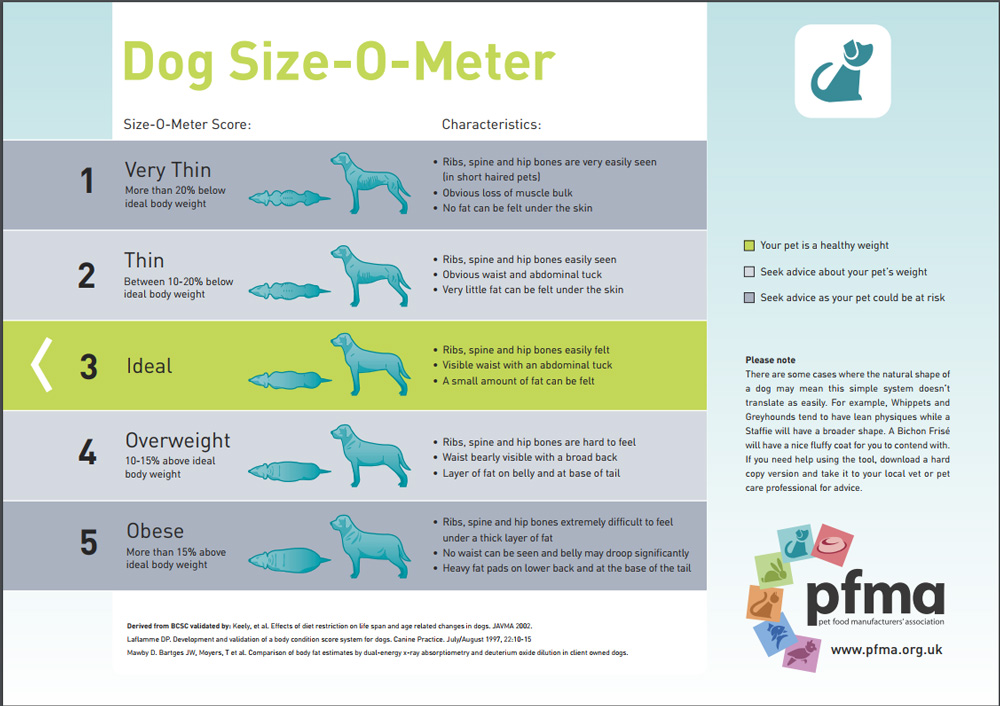
    It’s also helpful to identify a dog’s proper weight, as you will encounter many dogs that tip the scale (overweight) and those that may appear underweight (notwithstanding breed guidelines). This chart from pfma.org.uk is a good start:

    How to tell if a dog is overweight or not

    A boatload of pet management guidelines and Pet Sitter resources are included in our Members Only section! Join now for only $10/month for access to a wealth of knowledge to help your pet sitting business flourish: http://app.comeback2.host/join-us/

    Resources cited in this article:

    Nutrition – General Feeding Guidelines for Dogs | VCA Animal Hospital  (vcahospitals.com)

    www.pfma.org.uk

    photo attribution (dog eating out of a bowl): by cottonbro studio on pexels


  • Picking the Right Dog Bone

    Picking the Right Dog Bone

    This article shares insight to choosing the right bone for dogs.  As a professional pet sitter, it’s important to remember when caring for multiple dogs in a household, to feed bones and chews in locked crates with significant distance between them – or in completely separate rooms while they enjoy a good chew. Dogs will naturally fight over a bone, just as they did in the wild.

    It is never a good idea to take the bone away. It is best to leave the bone with the dog and when appropriate, provide an alternative toy or treat.

    Chew bones are engaging for all dogs who love to chew and allows them to release their “inner wolf” when it comes to this instinctive behavior. Think about it…in the wild, every bit of the kill is devoured including the meat left on the bones. Once satiated, the bone is buried to be enjoyed later. Does your dog bury his bones? Now you know why!

    Domesticated dogs rely on us to provide every meal. Serving appropriate chew bones helps fulfill their inner “wild”, while also keeping teeth clean by reducing plaque & tartar build up. Especially important for puppies, chew bones can be a great distraction when given in exchange for your favorite shoe they’ve found for their teething pleasure.


    KNOW WHICH BONE TO PICK


    Cooked bones are NEVER a good idea, as vets routinely see dogs that require surgery to remove bone shards and splinters that can cause intestinal blockage. While you may not intentionally share cooked chicken or turkey bones with your dogs, many will scavenge your garbage to find them. Always dispose of properly to avoid unintentional intestinal blockages.

    RAW RECREATIONAL BONES, however, are much safer and beneficial for dogs. These are big chunks of beef or bison femur, or hipbones filled with marrow.

    They can provide a source of additional protein, glucosamine, calcium and collagen. They are easy to digest and lack the carbohydrates, starches and sugar often found in other dog chew treats. Chewing a raw, meaty bone works your dog’s muscles and jaw like no kibble diet can. A savory chew on a recreational bone is the equivalent of a good teeth brushing for your dog.

    Avoid donut-shaped marrow bones as many have been caught in a dog’s jaw which is not only uncomfortable, but it may also require a vet trip to surgically remove while your dog is sedated. Always supervise your pet during bone-munching moments and provide a size-appropriate bone.

    Chew bones are good for a dog's teeth

    Tips To Serving a Raw Bone to Your Dog:

    (1). Keep it frozen. Introduce slowly (10-15 minutes at first) and refreeze between “sessions”. Any new food introduced to your dog’s diet requires baby steps to avoid possible diarrhea.

    (2). Keep small children and other dogs away when you serve up this delicious treat that few dogs will want to share.

    (3). The size of the bone should match the size of your dog’s head.

    (4). Let him bury it if so inclined.

    (5). Serve on tile or wood floors if indoors or teach your dog to stay on a mat to avoid possible carpet stains.

    EDIBLE RAW BONES


    These are long-lasting chews without the marrow, and are a healthy, more durable and digestible alternative to Rawhide. Edible raw chews provide calcium, phosphorus and trace minerals that are essential to your dog’s diet. Depending on the type of chew, they can last 15-45 minutes.

    The owner of Fetching Dog in Scottsdale, Becci Scott, offers the following advice:

    “Many people believe that dry dog food has dental benefits by having enough scraping action to keep dog’s teeth clean; however, dry dog foods are made with lots of starch to bind them together which stick to the dog’s teeth and form plaque. It is evident by the extreme dental decay seen in dogs that eat primarily dry food diets, that sugars are as bad for their teeth as they are for human teeth”.

    Bones are great for recreation and for the dental health of our dogs. Raw meaty bones can also add calcium to your dog’s diet.

    Raw bones are the only safe bones for dogs to chew on. Fresh, raw bones with all their natural oils are solid but have some give so they do not splinter like they do once they are exposed to heat (smoking, cooking, roasting, etc.) which dries them out and makes them brittle. Brittle bones are prone to splintering causing damage to gums and the digestive tract when swallowed.

    It is important to choose the proper bone for your dog. They are available in many sizes for you based on your dog’s size as well as chewing strength. Large breed and more aggressive chewers should avoid thin weight-bearing bones like Lamb femurs which can be more easily crunched by a strong jaw, allowing the dog to swallow large sharp fragments.

    Large breeds do best with larger, thicker bones that allow them to gnaw which scrapes the teeth and helps prevent tartar buildup. Smaller dogs do great with smaller cuts of bone.

    Raw meaty bones, such as chicken, duck and turkey necks and chicken backs are meant to be chewed and consumed. They not only give that same brushing action to teeth and gums, but also add calcium to your dog’s diet. Many dog owners who make their own balanced dog food, use raw meaty bones to meet some of the calcium requirements”.

    RAWHIDE OR NOT?


    There is some controversy about the benefits vs risks of Rawhide bones and chews. Rawhide has been sold and consumed for years and is a cheaper alternative for budget-conscious pet parents.

    A very experienced perspective on this subject is provided by Sarah Sypniewski at Embrace Pet Insurance:

    “Rawhide is extremely dangerous. It is so dangerous, that I am stunned they can still sell it. In fact, the Humane Society of the United States and the ASPCA both discourage rawhide consumption and list it among the dangerous household products for pets (next to pesticides and cleaning chemicals) …[Rawhide] is the inner layer of cow or horse hides that has been cleaned and stripped of hair. In order to remove the hair from this layer, the hide must be soaked in chemicals, primarily sodium sulfide.

    It’s as toxic as it sounds. It’s then washed and whitened with hydrogen peroxide; dried and pressed into the treats you see in the stores (sometimes they add flavorings or coatings to make them appetizing for dogs). Other toxins, such as trace amounts of arsenic and formaldehyde have been detected in rawhide treats as well. Raw amounts of arsenic and formaldehyde have been detected in rawhide treats as well. Rawhide is classified neither as a human food nor pet food, so there are no regulations over its production”.

    There are many benefits to chew bones for dogs.  It improves their dental health, satisfies mental stimulation needs and also provides stress relief and nutritional benefits.

    It’s essential to choose an appropriate chew bone for your dog’s size, breed and chewing habits to avoid potential choking hazards or digestive issues.  All dogs should be supervised when giving them a chew bone.  Remember to discard it when it becomes small enough to swallow or if it starts to splinter.

    Happy chewing and hugs from your Pet Pros @ AoPP

    Our Members Only section is packed with a ton of pro tips just like this!  Join us now @ http://app.comeback2.host/join-us/

    It’s why we’re here…for YOU!

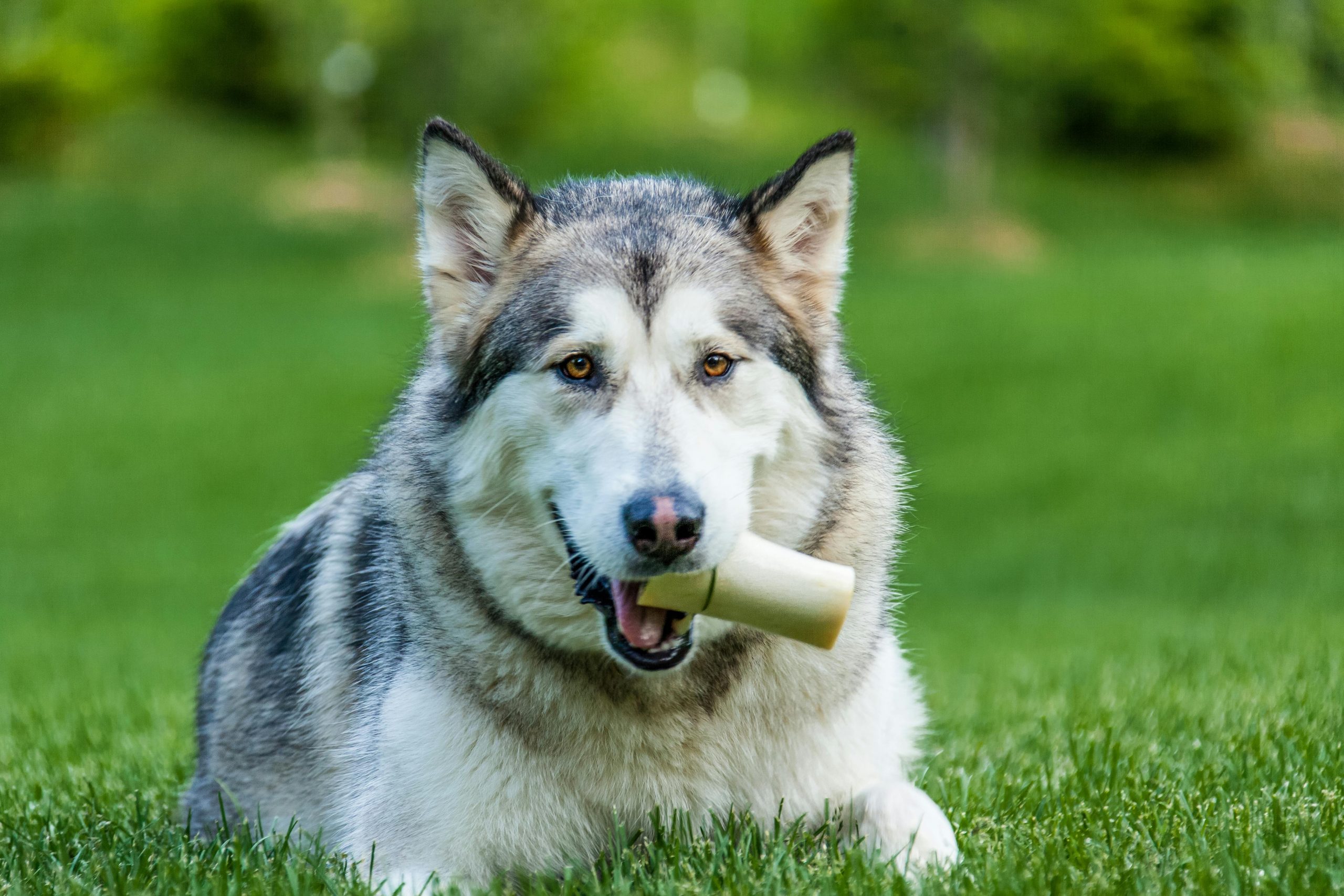
    photo of Husky chewing a bone by Mohan Nannapaneni on Pexels

  • Launch Your Pet-Sitting Empire

    Launch Your Pet-Sitting Empire

    This fabulous and insightful article is provided by Nick Burton of ourbestdoggo.com

    In today’s fast-paced world, the concept of starting a business from the comfort of your home is not only appealing but increasingly feasible.

    For animal enthusiasts, launching a pet sitting venture presents a unique opportunity to transform passion into profit, offering both personal fulfillment and financial rewards. This venture, however, does come with its challenges, particularly when balancing the demands of the business with personal life, family, and the care of one’s own pets. In this article, courtesy of the Association of Pet Professionals, we’ll delve into practical strategies to navigate these challenges successfully, ensuring your pet sitting business thrives without compromising the well-being of your family or pets.

    Leveraging Modern Solutions for Business Launch

    Embarking on a pet sitting business journey has never been more accessible, thanks to a plethora of online resources and formation services, including platforms like Zenbusiness.com. These platforms simplify the complexities of business registration, allowing entrepreneurs to focus on what they do best—caring for pets!! By utilizing these services, aspiring pet sitters can navigate the administrative aspects of starting a business, laying a solid foundation for their entrepreneurial journey.


    house sitting for dogs and cats

    Creating a Safe Haven for Your Pets

    One of the first steps in ensuring the success of your pet sitting business is to create a designated space for your pets. This area should be comfortable and secure, offering your pets a sanctuary where they can relax away from the activities related to your business. By doing so, you not only safeguard the well-being of your pets but also prevent any possible stress or anxiety that could arise from the introduction of new animals into their territory. This practice is essential for pet sitters that board pets in their home.

    Engaging Your Children in Pet Care

    Involving your children in the pet sitting process can serve multiple purposes. It teaches them responsibility and compassion, while also easing the burden of pet care tasks on you. Assign age-appropriate duties to your children, such as feeding the pets, playing with them, or even assisting in grooming. This approach not only fosters a sense of teamwork within the family but also enriches your children’s lives with invaluable lessons in care and empathy.

    pet sitters and their children

    Embracing Technology for Peace of Mind

    The advent of pet cameras and smart home devices has revolutionized the way pet owners can monitor their furry friends. For pet sitting business owners, these technologies are indispensable tools. Installing cameras and smart devices enables you to keep an eye on your own pets remotely while attending to client needs, ensuring their safety and well-being without being physically present. Integrating these technologies into your service offerings can enhance your business’s value proposition, providing peace of mind to clients that their pets are in safe, attentive hands.

    Mastering Time Management through Time-Blocking

    Effective time management is crucial for balancing the demands of a pet sitting business, personal life, and family. Time-blocking is a powerful technique that involves allocating specific blocks of time to different activities, whether it’s pet sitting, spending quality time with family, or engaging in personal hobbies. This method not only enhances productivity but also ensures a harmonious balance between professional and personal life.

    Maintaining Open Lines of Communication

    Clear and efficient communication with clients is pivotal in managing a pet sitting business. It’s essential to keep clients updated about your availability and any changes concerning the care of their pets. Utilizing various communication channels such as email, text messages, or dedicated apps can help in minimizing misunderstandings and ensuring client satisfaction.

    Prioritizing Self-Care

    Amidst the hustle and bustle of running a business and managing a household, dedicating time for self-care is paramount. Whether it’s through meditation, physical exercise, or pursuing hobbies, finding time to relax and recharge is crucial for maintaining your physical and mental health. This not only benefits you personally but also reflects positively on the quality of care you provide to the pets entrusted to you.  The Association of Pet Professionals cares about YOU and your well-being.  We added a “Health & Wellness” section in our Apps & Resources (for Members only) for this very purpose.

    Pet sitters need time to meditate

    Launching and managing a pet sitting business, while simultaneously handling personal responsibilities, is undoubtedly challenging. Yet, with the right strategies, it’s entirely possible to flourish in this endeavor. By embracing modern business tools, creating safe spaces for pets, and prioritizing self-care, you can build a successful and fulfilling pet sitting business. This journey, though demanding, offers an unparalleled opportunity to blend passion with profession, enriching both your life and those of the pets and families you serve.

    The Association of Pet Professionals (http://app.comeback2.host/join-us/) offers essential services to help pet sitters become skilled and compassionate caregivers for animals. Have a question for the team? Reach out today to learn more! 

    Photos on pexels – special thanks to the wonderful photographers on this free platform!


  • Unlocking Canine Brilliance: Mental Stimulation Tips to Keep Your Dog Sharp and Happy

    Unlocking Canine Brilliance: Mental Stimulation Tips to Keep Your Dog Sharp and Happy


    This article is provided by STEFANIE STRACKBEIN, CFDM. Stefanie is an Owner & Creator, Dog Advocate, Canine Behavior & Enrichment Specialist and Certified Family Dog Mediator @ What Dogs Want, a learning academy for dogs in Phoenix, AZ.

    Are you aware that fostering creative thinking in your dog is a vital component in helping them become a well-adjusted canine? 

    Thinking creatively enables our dogs to approach tasks, problems, and situations with openness to alternatives. If ‘Plan A’ doesn’t work, a creative dog can come up with a ‘Plan B’ instead of shutting down, becoming frustrated or even aggressive. Creative thinkers have better problem-solving skills, better impulse control and better conflict resolution.

    Creativity varies among individuals but fortunately most dogs can learn to become more creative. Acclaimed scientist Dr. Robert Epstein believes in order to enhance your creativity you need to follow these steps:  Capture new ideas, surround yourself with an interesting/stimulating environment, challenge your thought processes and broaden your knowledge base. Dr. Epstein works with businesses, helping them to foster creativity in their employees but his ideas can translate to dogs as well.

    Dogs need mental enrichment and exerciseThis is What Dogs Want!

    Step 1:  We manage and micromanage our dogs all day long, requiring them to follow our rules, fulfill our expectations and fit perfectly into our environment.

    We tell them to do things, not do things, sit here but not over there, drop this but take that. How many of us provide opportunities for our dogs to make their own choices or generate their own ideas? Running all aspects of our dogs’ lives hardly fosters creative thought in our canine companions. We should allow them to come up with new ideas. Not only will this foster creativity, it builds confidence and problem solving skills as well. This does not mean we should allow dogs to do whatever they want, whenever they want but we should provide opportunities to choose and have freedom when we can and when it is safe for them to do so.

     Step 2 & 4:  It is incredibly important we provide an enriching environment for our dogs.

    This includes exposing them to novel objects, meeting new people and animals, experiencing new places, etc. as often as possible. Providing a rich, stimulating environment fosters creativity and opportunities to learn about the world around them. The more our dogs know, the better equipped they are to solve problems or come up with creative solutions to novel situations. This is not only important for puppies, but for dogs of all ages and developmental stages as the learning process never ends.

    One of the easiest ways to do this is to take your dog on ‘Sniffaris’. This is a walk around your neighborhood or even a new, unfamiliar area and allowing your dog to lead you. Let them sniff and explore (as long as they are safe, of course), choosing the route and which direction to walk in. Sniffing is relaxing for dogs and allows them to discover what is going on in their neighborhood or learn about new environments in a safe, self-paced way.

    Sniffing is crucial for dogs’ health. Let them sniff!

    Step 3: Just like humans, dogs’ minds need to be challenged in order to be creative.

    Allowing dogs to stay in their comfort zone without having to confront challenges impedes the creative process. Challenges require innovation and creative thinking. Problems need to be thought through if they are to be solved. In the process of solving problems dogs learn how to cope when things that do not go their way. Consider a dog that is under socialized who becomes defensively aggressive when he encounters change or unfamiliar objects or people out on a walk. Dogs that are faced with unknowns and have never had to think on their own or learn creative thinking skills can become reactive, fearful and even aggressive. Play games with your dog where they must figure out how to find a treat or toy hidden somewhere in the house. Play Hide and Seek with your dog or challenge your dog (and you!) to learn some fun dance moves and just be silly together.

    Dogs are intelligent beings that need mental and physical enrichment to thrive. Helping your dog develop creative thinking skills will not only set him up for success in a human-centric world but will help build his confidence, increase his intelligence and help you appreciate your canine companion to the fullest.

    For more information about Stefanie’s academy “What Dogs Want”, visit their website @ https://wdwacademy.dog/

    Pet Pro Tip:  consider offering similar engagement activities with your client’s dogs. The more focused you are on their enrichment, the more diverse and valuable your services become.

    To learn more about how to entertain your furry clients, and understand what makes them tick, JOIN as a Member to gain access to a vast library of resources: http://app.comeback2.host/join-us/

    “The more you know, the more you grow”. Let’s grow together!

  • Leveraging your On-line Presence

    Leveraging your On-line Presence

    In continuation of our blog series to assist pet sitters with their professional growth, we are including this relevant guest blog by Patricia Bird with Critter Care Web Solutions. Patricia is a website designer (among many talents) and offers her advice below.  Her website link is included if you are thinking about building a website but can’t do it on your own.  Patricia offers extremely budget-friendly options to help get you started!


    Inspiration for pet sitter growth

    In the ever-evolving digital landscape, effective online marketing strategies for pet businesses is a must. They need to stand out in a crowded market and connect with their target audience. From engaging on social media to optimizing your website, here’s a guide to unleashing online success for your pet-centric enterprise.

    •  Cultivate a Strong Social Media Presence

    Social media platforms are a playground for pet businesses. Showcase your furry clientele, share valuable content, and engage with your audience. You can use platforms like Instagram and Pinterest for more visual content, while utilizing Facebook and Twitter for community engagement. Pro Tip: Consistency is key! Regularly post captivating content to keep your audience engaged and eager for more.

    •  Optimize Your Website for Search Engines

    Ensure your website is search engine optimized (SEO) to improve its visibility on search engine results pages. Use relevant keywords related to your pet business, incorporate meta tags, and regularly update your content. Pro Tip: Optimize images with descriptive alt text, helping search engines understand your content and potentially attracting more visitors.

    •  Harness the Power of Email Marketing

    Build and nurture a loyal customer base through email marketing. Send out newsletters, promotions, and updates to keep your audience informed and engaged. Pro Tip: Personalize your emails by addressing recipients by their pet’s name, creating a connection that resonates with pet owners.

    •  Collaborate with Pet Influencers

    Partnering with pet influencers can significantly boost your brand’s reach. Identify influencers whose values align with your brand and collaborate on campaigns or sponsored content. Pro Tip: Choose influencers who genuinely love and use your products or services to ensure authenticity and credibility.

    •  Utilize Online Reviews and Testimonials

    Encourage satisfied customers to leave positive reviews on platforms like Google My Business, Yelp, or your website. Positive reviews build trust and credibility, influencing potential customers. Pro Tip: Respond promptly to reviews, both positive and negative, showing your commitment to customer satisfaction and engagement.

    •  Implement Geo-Targeted Advertising

    Use geo-targeted advertising to reach pet owners in your local area. Platforms like Google Ads and social media allow you to target specific locations, ensuring your marketing efforts reach the right audience. Pro Tip: Include pet-friendly events or local partnerships in your ads to resonate with the community.

    •  Create Engaging Video Content

    Utilize the power of video content to showcase your pet business. From grooming sessions to behind-the-scenes glimpses, videos capture attention and convey your brand’s personality. Pro Tip: Keep videos short, sweet, and shareable to maximize their impact on social media platforms.

    Unleashing online success for your pet business requires a holistic approach to digital marketing. Embrace these strategies, stay attuned to industry trends, and adapt your approach to the ever-changing digital landscape. Remember, your online presence is not just a promotional tool; it’s an opportunity to build a community of pet lovers who share in the joy of your pet-centric offerings. 🐾

    Other Marketing Tips & Tools are available in our MEMBERS ONLY section.  Join now @ http://app.comeback2.host/join-us/

    Patricia Bird: https://crittercarewebsolutions.com/


  • From Passion to Profit: Turning Your Love for Animals into a Successful Business

    From Passion to Profit: Turning Your Love for Animals into a Successful Business

    Pet sitting is an admirable profession with many rewards not found in the average workplace. It also requires a higher level of responsibility when caring for other people’s pets.

    You may have owned many dogs and cats in your life, yet your experiences are limited to only those pets.  When you dive into professional pet sitting, the bar is raised much higher.

    The opportunities for a successful pet sitting business couldn’t be better, as 66% of U.S. households own a pet (that’s 86.9 million homes)[i]. Within that vast population, dogs lead the pack at 65.1M (million) and cats 46.5M.  Birds and small animals are only .1% (6.1M), so consider the type of pets you are able to care for that will also provide the best profit potential.

    If you are a rabid animal fan, that’s a great start to building a pet sitting business.  You have to truly love dogs, cats and small animals if you want to be successful as a professional guardian of companion animals.  Harnessing that passion into profit requires a business model, a business name, permits and licenses (state specific), customer service and management tools, creative marketing and some grit and perseverance.


    house sitting for dogs and cats

    Before you rush to brand yourself on social media and drop flyers in pet-friendly establishments, research the competition in your local area. Determine what services you plan to offer and your rates. Consider your capabilities for dog walking, daily pet visits, overnight care (in your home or the client’s home) and the types of pets you’re most comfortable with. Many pets require medications and if diabetic, insulin injections.  Your rates may reflect an upcharge for specialty care.  It’s important to outline your policies so clients know what services you provide, the cost of each and any limitations that may apply.

    Establish a budget for investment in equipment and supplies, marketing materials and the cost of a website. A website is an effective tool to advertise your services and rates while also highlighting your personality.

    Building an on-line presence is important as your future clients are searching for services in your area, so a website and social media accounts will help them find you! Your content will help demonstrate your expertise and grow loyal followers.

    Prudence dictates that you invest in pet sitter insurance, develop policies and procedures and craft a comprehensive client contract with appropriate liability waivers.

    Training courses and educational materials will help set you apart from the competition while enhancing your own skills.  A Pet CPR & First Aid course is a must, as it could make the difference for an animal that becomes sick or injured on your watch.

    We have created a free e-book that offers more tips and tools to growing your pet sitting business. You can download a copy on our home page:  http://app.comeback2.host/

    JOIN US as a member so we can help you achieve new heights in your pet sitting journey!
    Our Members Only section is packed with valuable resources you can use to grow your pet sitting business.  For only $10/month, with no long-term contracts, we’re here to help you grow:  http://app.comeback2.host/join-us/

    [i]Michelle Magna @ Forbes Advisor as published on 1/25/24 (Pet Owner Statistics)