/home/qiocp3sxg2b3/public_html/app.comeback2.host/wp-content/mu-plugins pet sitter best practices – Page 4 – Association of Pet Professionals

Tag: pet sitter best practices

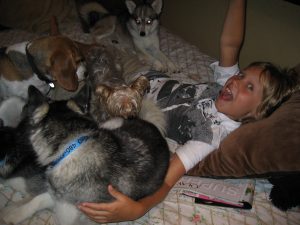
  • Why do Dogs Hump?

    Why do Dogs Hump?

    Note: this article is for pet owners and pet sitters to better understand what causes a dog to perform the “humpty-do” dance.

    Humping or “mounting” is a common behavior and not exclusive to intact or stud males only. Neutered males and females may also “go for it”.

    Obviously, in the case of a female dog in heat, any male dog will traverse hill and dale to start that party. Unless you are a professional breeder, you must keep your female dog in lock down to avoid an unwanted litter. Intact males are especially prone to fervent (sexual) humping.

    There Are Many Reasons Why Dogs Hump Each Other And, In Some Cases, Hump Humans and Inanimate Objects.

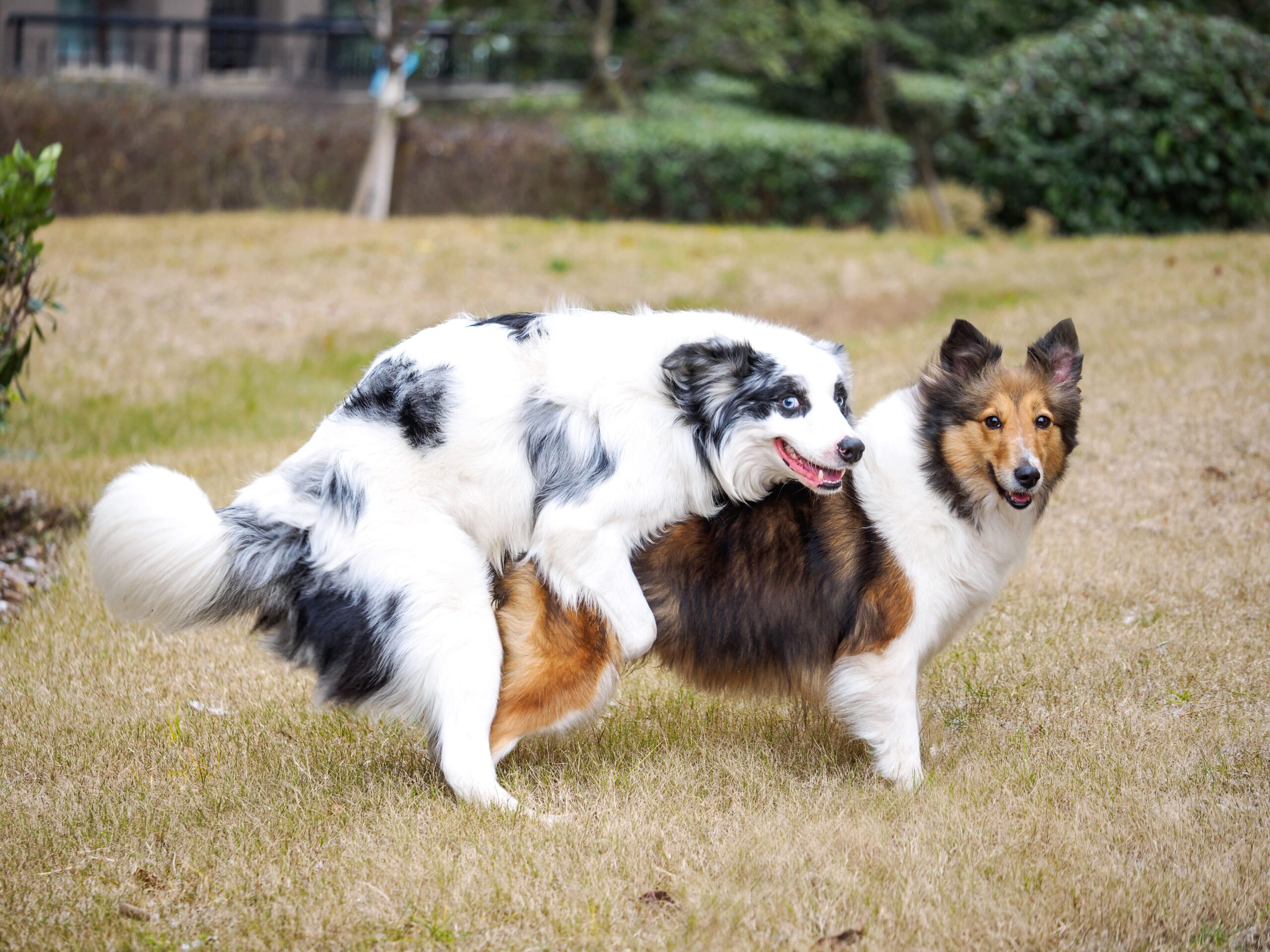
    Normal play behavior between two dogs might include some humping.  Provided it does not continue indefinitely, nor seem to bother the “receiver,” it is o.k. to let the dogs work it out between themselves. There is a dominance issue involved that often alternates between who is on top. However, some dogs will not react well to being humped, so best to be prepared to intervene if the situation escalates.

    Dogs may use this action to relieve stress or frustration. Rather than become horrified, owners (and pet sitters) should evaluate what might be causing their dog’s anxiety. Are they getting enough exercise? Are they socially frustrated, experiencing disruption to routine or do they lack proper socialization?

    Some dogs get overly excited when around other dogs or visitors come to your home. This stimulating event might result in hyper arousal. Leash your dog before introductions are made and be sure to praise and reward them once they have settled down.

    In the case of humping pillows, blankets or toys, it simply feels good. Provided you have ruled out any underlying medical conditions, no harm- no foul if only an occasional release. Persistent humping of objects may mean a compulsive disorder that requires behavioral analysis and treatment.

    When humans are the object of desire, it’s best to walk away to dissuade the behavior or distract the dog with another activity. dogs will hump pillows when aroused

    If your humper is in overdrive when playing with other dogs, you might need to separate him for a little quiet time to quell the excitement. Do not punish your dog, yet gently with soft voice tones, ease him away for a cool down before reengaging in play time.

    Make sure your dog is getting plenty of exercise, outdoor release, and mental stimulation. Your dog may benefit by private or group training classes. This includes specialized training to modify behavior, controlled socialization, agility and/or general obedience. Good Canine Citizen classes are a wonderful choice for owners wanting a stronger and balanced bond with their dogs.

    Have you had any experiences with humpers? How did you handle it? Share your stories with us!

    For more info on this topic, read this article from petMD: https://www.petmd.com/dog/behavior/why-do-dogs-hump

    Hugs,

    Tori

    Photo attribution of dog on dog from Google images by blogspot.com. Thank you fellow bloggers!

    Pillow shown actually sold and available (including other choices) on http://cafepress.com


  • Managing a Pet’s Separation Anxiety

    Managing a Pet’s Separation Anxiety

    For those of us who enjoy canine and feline companionship, there is no greater joy than their presence in our lives. The human-animal bond is unlike other relationships that come and go as it is rooted in mutual respect, reliance and adoration. We’re just happier having them around! As professional pet sitters, we’re making our living from living with other people’s pets! How cool is that?

    This important role that pets play in our happiness was deeply reinforced during Covid-19. Countless articles have been written about the human-animal bond and its strength in our lives.

    Pets, just like human children, need consistency in their routines. When routines are disrupted, dogs and cats become stressed.

    Treating Separation Anxiety in dogs and cats

    Recently rescued dogs and cats often struggle with their new-life and new-home acclimation. The often quoted “3-3-3 rule” does not apply across the board.  Most, if not all dogs, will “crossover” in their trust journey and relax knowing their (new) owners will return home.  There is no pre-determined time frame as each dog is uniquely different. As a pet sitter, you may be the solution to helping dogs and cats regain trust and comfort when left alone.

     8 Signs that signal Separation Anxiety

    (1). Over-grooming: dogs may obsessively lick their paws and cats may pluck their tummy fur. This can cause skin irritation and possibly infection. The family veterinarian should be consulted to make sure this isn’t an underlying medical condition. Seasonal allergies notwithstanding, keep an eye on this as a potential stress reaction that requires client attention.

    (2). Excessive vocalization: if a dog is barking or whining more than usual, this is another sign of stress. As you get to know your furry clients and dog behavior in general, this becomes more apparent with each experience.

    (3). Yawning & panting: excessive panting is a sure sign of stress (unless you just came back from a long walk or the hot outdoors). Yawning is hard to interpret. Is this dog just tired or not? Referred to as “displacement behavior”, animal behaviorists attribute this to discomfort.

    (4). Pacing and shaking: if a dog is shaking and trembling this is not normal and requires immediate attention to determine the cause and remove him from it or seek vet attention. He could be in pain or simply preparing to flee from a bothersome situation. Shaking often occurs during thunderstorms or loud noises such as fireworks. Unusual pacing is just that, unusual and certainly a sign of discomfort or distress.

    If the dog is not in pain requiring a vet visit, calming aids can be employed. What calming aids can you confidently recommend? Do your homework! Some veterinarians will recommend Trazodone, Xanax or similar for high-anxiety dogs. It’s not a pet sitter’s position to interfere with vet/client relationships. However, please familiarize yourself with various drugs, side effects and do your best to be an informed consultant in the process.

    (5). Hiding: if a dog or cat is suddenly ducking under a bed or behind the chair, they’re bothered by something. Consider (or recommend) a cat tree as cats are more comfortable in higher places.

    For the “disappearing” dog, consider the triggers that are sending him for cover and remove them. This happens when you prepare to leave the home and any dog knows what those signals mean. You might stuff a Kong toy with treats and provide them for a dog’s entertainment while owners are away, or you are leaving after a visit. A Kong can be stuffed with peanut butter or Cheese Whiz and frozen for longer-lasting enjoyment. If the dog is a “super chewer”, best to let them indulge on the Kong while you have them in your sights.

    (6). Sudden indoor accidents: if a litterbox-trained cat starts missing the mark, she could be stressed by something. You may suggest to your client they add another litterbox to help identify the source of her stress (is it a loud noise or a new cat member sharing the same litterbox)? Rule of thumb is one litterbox per cat and a spare for good measure. Litterboxes should be cleaned daily, and the litter replaced 2 x week.

    If a housetrained dog is now leaving “gifts” inside the house, he is definitely sending an “I’m not happy” message. He might benefit by an indoor grass or bark potty box yet may also benefit by desensitization techniques or calming aids to assuage his anxiety. Is the dog getting enough exercise? You may suggest a longer walk (for an added fee if you are his dog walker during the day.

    (7). Tail tucking, flattened ears or crouching when they are scared or stressed, they tuck their tails in. This reaction is most likely a response to fear and should be met with lots of space, patience and caution. Cats will flatten their ears and curl into a ball with a flicking tail as a warning sign.

    (8). Loss of appetite: this happens for a myriad of reasons; stress is one, yet more likely a medical condition that needs a vet’s attention if the hunger strike continues for several days. It’s possible a simple change of diet is the solution. Honestly, would you eat the same food every day of your life?  NOTE: Dogs eat less in the summer months, so don’t panic if rising temperatures prompt slightly reduced consumption.

    To prepare pets for alone time, 8 simple techniques to consider:
    1. Create a safe, comfortable and quiet area in the home just for them.
    2. Provide entertainment and enrichment toys. Stuffed Kongs and treat puzzles are a great distraction for home alone dogs. Hide them throughout the house to create a treasure hunt.
    3. Invest in a Furbo or Pet Cube Camera. Both products allow owners to keep a remote eye on a wandering dog or cat. These effective “nanny cams” also allow the owner to talk to their pets and/or dispense treats or play laser tag.
    4. Leave the TV or radio on, with soft music in the background (classical is best). Remember that a dog’s hearing is far more acute than ours so turn the volume down to a peaceful level.
    5. Start conditioning a dog with treats and praise when they are acting calm. To begin desensitizing a dog to absence, leave the house for short periods. When you return, wait for their so-excited-to-see-you-again reaction to quell before you fuss and fawn over them. Walk past them, turn your back and as soon as they settle down, reward their chill behavior with treats and praise.
    6. Dogs love to sniff things. Suggest to your clients that they leave an old t-shirt or personal item lying around for the dog to sniff and remember them while they are temporarily away.
    7. Always provide daily exercise for dogs. If it’s too hot for a walk, play a short game of fetch before you leave for the day. You’ve heard it said countless times: “a tired dog is a happy dog”. PET PRO TIP: If you are providing dog walking services, you might recommend more than one walk per day or offer extended “cuddle” time with the pet at an additional charge.
    8. Leave a blind or shutter open so the dog has a view of outdoor activity in the neighborhood.

    In addition to these blogs, we also recommend professional training to “up your game”. Our MEMBERS ONLY section includes several pet sitting certification and training courses ranging from $40-$150 (we have carefully selected the courses with you and your pocketbook in mind!).  JOIN AS A MEMBER and let’s “up our game” together! Click here: Join Us – Association of Pet Professionals

    If you have any questions, please complete the contact form to interact with us.  We are interested in hearing about you and your business and anxious to help you in this joyful journey of quality pet care.

    Hugs,

    Tori and the Pet Pro Team @ Aopp

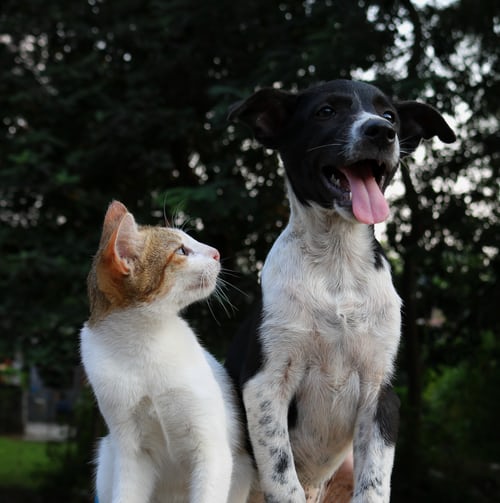
    First photo by Bacila Vlad on unsplash

    Second photo by Anna Shvets on pexels
  • How Stress affects Dogs & Cats

    How Stress affects Dogs & Cats

    Dogs can smell stress


    Life can be stressful!  Let’s agree that there is no limit to how busy we are, chasing our professional and personal affairs and simply keeping up with rising costs in these wallet-whopping times. Yet, we also need to think about how stress impacts pets. 

    Did you know that dogs can SMELL our stress? It’s been proven in clinical studies that dogs could detect the difference in sweat samples taken from a person under duress (solving a complicated math problem) and those who were not. Reference article to support this point: https://www.nbcwashington.com/news/national-international/dog-can-smell-when-were-stressed-out-new-study-shows/3170336/

    Not so hard to believe when you compare a dog’s divine gift of 220-300 million+ olfactory receptors in their nose (vs human: 12-50 million). The actual statistical quotes vary, yet you get the drift of their super-power whiff, right?

    Notwithstanding specific breeds that have an even greater sense of smell and those trained in scent work (Bloodhounds, Beagles, drug sniffing K9’s, etc.), if an owner’s lifestyle or routines have changed, even slightly, their dog can both smell and sense the changes in body chemistry and emotions. This includes pet owners travelling under duress (bereavement trips) or understandable reactions to life’s emotional stressors. Pet sitters get stressed too! Be aware of how you might be inadvertently impacting your furry client’s reactions to you if you show up for service under extremely terse conditions.  The adage “keep calm and carry on” takes on new meaning in this context.

    Most pet owners looking for private pet boarding or move-in pet care want to minimize the stress typically associated with pet resorts and kennels. This growing trend for more intimate pet care services has provided a wealth of opportunity for pet sitters across the U.S. A professional pet sitter should be able to provide a far more peaceful and entertaining experience for their client’s dogs.

    Not surprising to animal lovers and pet sitters, cats are included in the “special sensory” category also.  According to Dr. Nicholas Dodman, a professor emeritus at the Cummings School of Veterinary Medicine at Tufts University, and CEO and president of the Center for Canine Behavior Studies: “A therapy cat “Oscar” is believed to have sensed death was coming based on a change in human smell as they approached end of life.” Horses have similar scent assessments also!

    There’s quite a bit of clinical evidence to support a dog’s brilliance at detection, and the subject begs to be better understood to know what the signs of pet stress are and possible causes. For an in-depth article about 23 common stress signals for dogs and how to calm them please read this incredibly informative piece from dogclinic.com to expand your knowledge and approach as a professional pet sitter: https://www.thedogclinic.com/signs-of-stress

    Hugs from your Pet Pro Team @ AoPP


  • A Dog’s New Year Resolution List

    A Dog’s New Year Resolution List

    How to celebrate New Year with a dog     As we consider our goals for the New Year, those inner-most visions for positive change and renewed health and vitality, take a minute to consider what a dog might want in 2023. Rounding the corner toward a new year, and in preparation to service our pet parents and clients, let’s have some fun with what a dog’s “Resolution List” might look like.


    You might find a way to incorporate these ideas into your early marketing campaign for 2023. 

    A Dog’s New Year Resolution List might look something like this:

    (1). Take me for daily walks.  I adore the outdoors and opportunity to use my superpower sense of smell to “process” the world. It gives me great pleasure to diagnose the scents around the ground. Please don’t pull me along because you’re in a hurry.  Let me stop and sniff the bushes, light poles and fire hydrants that command my nosy attention. It may be the only activity for me today, so let’s make it count.

    (2). If we can’t go for a walk, can we play an indoor game instead? I like spending time with you, so let’s play hide and seek, toss some balls or squeaky toys around or teach me a new trick.

    New toys, entertainment puzzles or a treat-stuffed Kong will help keep me occupied when you’re not home and I’m alone.

    I would love it if I could go with you when you run errands.  I can’t stay in the car alone, but I hear Home Depot and many other dog-friendly stores open their doors to 4-legged patrons, so let me join you on those jaunts.

    Pet Pro tip: if you’re not offering “field trips” as a special service to your clients, consider adding something like this to your menu for variety.

    (3). If you notice that I have bad breath, I may need a teeth cleaning. Hard chew bones might help detract the plaque and keep me gleefully occupied but brushing my teeth daily will help keep my canines clean and avoid losing them later in my life.

    (4). I don’t like going to the doctor’s office any more than you do yet monitoring my health with annual (or semi-annual) well exams should be on our calendar this year, especially if I’m 5 or older.  I’m aging faster than you are, so periodic check-ups, not just routine vaccinations, will allow me to enjoy your company longer if something exists that needs preemptive attention.

    Pet Pro tip: ask your clients when their dog’s last well exam occurred.  You’d be surprised how many pet owners do not schedule well visits.

    (5). Please keep my coat clean and debris free.  Mats are uncomfortable and over-grown toenails make it harder for me to walk.  When you brush me, it’s like a massage!  Let’s do that often.

    (6). Make sure I have proper identification. I might discover accidental outdoor freedom and don’t want to get lost and not find my way home to you.

    (7). I appreciate that you let me sleep indoors and have provided a soft bed to call my own (sometimes in yours!). If you must travel without me, please choose a cage-free dog boarding option or send a pet sitter to ours. I want to sleep in the comfort of my own bed and not in an isolated kennel or cage that I’m unfamiliar with.

    (8). I need routine!  If something is upsetting you, I will comfort you.  If we both get caught up in a life-changing moment, please remember that I need to be comforted to.

    (9). Please feed me the highest quality dog food you can afford.  I appreciate that budget is a concern, yet that big feed bag with mystery ingredients isn’t the best buy for my long-term health. As I mature, I need dietary changes to coincide with my growing and changing needs.  I’ll do my best to enjoy the same food every day, yet variety is the spice of life (so I’ve heard).

    (10). If you rescued me, please know that I am truly grateful.  I may need some time to get past my past hurt.  Be patient and know that I want to attach again.  Do not detach from me during this transitional period nor give up on me, as others might have done before you and I met.

    You are a valued partner in maintaining pet health, vitality and emotional comfort.

    Our human-animal bond is not only reciprocal in love and adoration, yet one of the best relationships we can have in its most simplistic form. Dogs are authentic and without pretense. To quote Josh Billings: “A dog is the only thing on earth that loves you more than he loves himself.”

    Resolve to make each day the best it can be for you and them. Oh, by the way…if you haven’t joined as a member yet, put us on your New Year’s Resolution list.  We’re here to help you go and grow! Follow this link to sign up: http://app.comeback2.host/join-us/

    Hugs,

    Your Pet Pro Team @ AoPP

  • Holiday safety tips for professional Pet Care

    Holiday safety tips for professional Pet Care

    pet sitter safety tips at Christmas


    The holiday season marks the end of the year and fresh beginnings, with all the joys of gift giving and festive, family celebrations. Pets are family too and should also benefit by the added gaiety of the holiday spirit. As you and your clients prepare for the holidays, keep in mind that not all decorations or holiday sweets are pet friendly. As you deck the halls, please keep these safety tips in mind:

    Oh Christmas Tree:

    A Christmas tree should be properly anchored so it doesn’t tip over, especially when nosy noses notice something new in the room.

    Cats especially like to climb trees. Cats are good climbers. It’s not only in their ancestry, but their extendable claws give them a really good grip on tree trunks!

    With natural trees, the tree water needs to be kept clean. Oils produced by fir trees can cause irritation to a pet’s stomach. Tree needles would not digest well either with possible obstruction or punctures if consumed.

    Small, breakable ornaments should be at the top of a tree. Best to consider ornaments with tie string vs hooks…broken ornaments are a common occurrence and shards and hooks on the floor can be hazardous to puppy’s paws. Only turn tree lights on when you are home. Take the same precaution with lit candles.

    Be careful about tree lights, as they can cause electric shock or burns if chewed on, particularly if you there’s a puppy in the house where chewing is a natural process as they teethe and explore their world in a “taste and test” fashion. Flocked trees could be toxic if the branches become Fido’s new chew stick. Keep presents stored offsite as long as possible (so they aren’t opened early by curious canines and felines).

    Holiday Treats:

    Yummy chocolates and Christmas confections magically multiply during the holidays. Sugary sweets and chocolate are not meant for sharing with pets, however inadvertently.  Xylitol, used as a sugar substitute, may also be found in some brands of peanut butter, yogurt, toothpaste and chewing gum and is extremely dangerous to dogs. Symptoms of xylitol poisoning include vomiting, muscle weakness, difficulty walking and tremors – and they usually begin within 15-30 minutes of consumption.

    Dog-Safe Toys:

    Some dogs like to “attack their prey” (they can’t help their ancestral disposition), so be sure to monitor dog toys with small parts or squeaky inserts. Unless a dog is a soft gummer, stick with sturdier chew toys, such as Nyla bones, Bully Sticks or Kongs. Most of us have witnessed the destruction of plush toys after a rigorous round of “seek and destroy”. The plush toy always loses!

    Toxic Holiday Plants:


    HollyMistletoeLilies, Daffodils and Amaryllis are potential GI upsets waiting to happen, if ingested. If you these natural plants are in the home make sure they are out of nose reach.  According to Pet Poison Hotline https://www.petpoisonhelpline.com/ “Though they have a bad rap, Poinsettia plants are only mildly toxic to cats and dogs. While poinsettias are commonly “hyped” as poisonous plants, they rarely are, and the poisoning is greatly exaggerated. When ingested, mild signs of vomiting, drooling, or rarely, diarrhea may be seen.”

    Despite this reassurance, some Poinsettia plants may have been treated with pesticides so best to avoid having any of these plants in close contact with household pets.

    New Year’s Noises:

    Loud noises, firecrackers and party horns are fun for us, yet may cause anxiety for some dogs. So much so, they may attempt to escape. If a dog is prone to anxiousness, place him in a quiet room during the countdown to 2023. Include treats, puzzle toys and calming music on the radio or TV.

    For extreme anxiety-prone dogs, consider calming chews or vet-prescribed medications.  CBD for pets is gaining popularity as a treatment alternative for a myriad of ailments including anxiety.

    Enjoy the festivities of the season and relish in your 2022 accomplishments. Whatever your New Year resolutions might be, know that you have done your best to deliver professional pet sitting all year.

    Warm wishes for peace, love and joy always.

    Hugs,

    Your Pet Pro team


    photo attribution of Corgi around presents photo: Julia Volk on pexels

  • Consolation Tips when a Pet Passes

    Consolation Tips when a Pet Passes

    The loss of a pet is one of the hardest days in a pet owner’s life. As dedicated pet sitters, we share their grief as we treat our furry clients like our own and play an important role in their lives.

    A sympathy card or hand-written note is an effective way to show your clients how much you care about them. Depending on your relationship, memorial gifts or special gestures may be extended.

    Most pet owners will eventually add another companion animal to the family, so it’s important to stay in touch and be especially present during this difficult time.

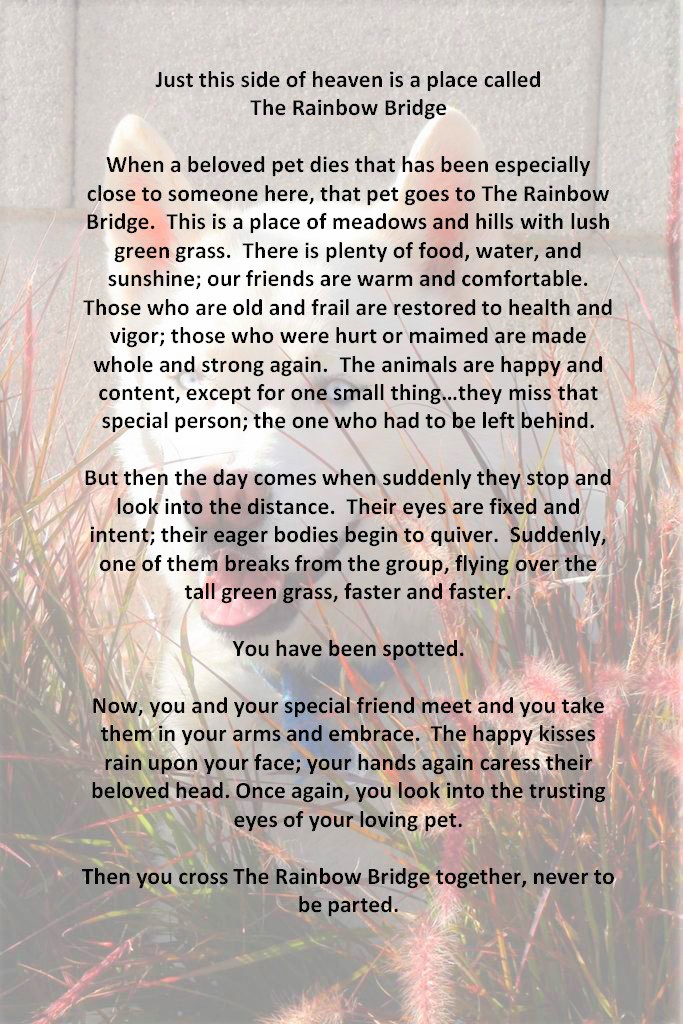
    THE RAINBOW BRIDGE POEM

    The rainbow bridge is a special, mythical bridge between Heaven and Earth. When a pet passes, he or she crosses this magical bridge. If you’re not familiar with this poem, read it below. The common phrase “my pet has crossed the bridge” is in reference to this poetic message.

    Many pet owners believe that their beloved pets that have passed are waiting for them at the bridge.

    This poem is a heartfelt way to express sympathy to your clients suffering the loss of a beloved pet. Include the poem in a hand-written sympathy card to show how much you care and how much you will miss their pet also.

    Poem for pet passing

    FORGET-ME-NOT FLOWER SEEDS

    Another special expression of sympathy is to send a condolence card with a packet of these specific flower seeds as an insert.  This flower is a poignant symbol of remembrance during partings or after death.

    PHOTO OF THEIR PET

    You undoubtedly have many photos of the dogs and cats you care for. Printing a photo of them and including it in a sympathy card is another special way to express your compassion. PET PRO TIP: For a professional look, go to Walgreens or CVS for a high-quality print. Walgreens offers 4×6 photo magnets and other inexpensive items you can have imprinted.

     SIMPLE MESSAGES THAT SAY A LOT

    • “I will always remember (dog/cat’s name) and he/she will live in our hearts forever”.
    • “My thoughts and prayers are with you at this difficult time. I’m shedding tears too!”
    • “Wishing you peace and comfort in the days ahead”.
    • “I’m so sorry for the loss of your sweet (dog/cat’s name). He/she was a much-loved member of your family and mine”.

    People will remember how much you cared by your gestures of solace and the pet pro you are!

    Hugs,

    Your Pet Pro Team @ AoPP

    If you’d like a JPG of the Rainbow Bridge poem sent to you, please email us to request a downloadable copy @ info@app.comeback2.host. 

    To become a Member, visit the JOIN US page and link with us for more tips and resources @ http://app.comeback2.host/join-us/


  • Pet Sitting Reaps Pawsitive Job Benefits

    Pet Sitting Reaps Pawsitive Job Benefits

    Inflation is walloping our wallets and to offset the rising cost of consumer goods and gas, rent and household expenses, folks are looking for extra money-making opportunities to stem the tide.

    Inflation can be a dream killer for retirees and those on fixed incomes. Families are working harder to make the house payment and keep food on the table. For those fortunate to have a savings account, 401k or other assets those statement balances are akin to a bad dream as values erode with tsunamic ferocity.

    Fortunately, we live in a gig economy which allows for part-time or “when-I-want-to work” opportunities in many sectors that don’t require a lot of capital investment or management experience.

    A great build-back-my-nest-egg job that doesn’t require much dough to launch is PET SITTING. The average pet sitter works from home, visiting dogs and cats on their turf.  Suit and tie not needed nor recommended!

    Pet sitting is rewarding

    According to Veterinarians.org, “over 50% of U.S. households own a dog” (63.4 million houses = 89.7 million dogs) followed by cats and they need to be cared for when the owners are away.

    As a successful loan officer for 30 years, I found myself in a similar economic panic in 2008. The real estate market had crashed big time and I was adrift with serious concerns about my financial viability and future career path.

    Serendipitously at the same time, I was caring for two dogs that belonged to a friend.  I had two of my own, so with 4 dogs camping out in my home, I took stock and realized “this is fun, I should charge for this”!  Before I knew it, I had 10 dogs per day hanging out with me and my then 10-year-old son. He and his friends were my assistant dog walkers. Word spread quickly that devoted dog owners could park their pups in my home, cage-free with tender loving care and a host of Boy Scouts to walk them.

    pet sitting is fun

    Fast forward, I am the proud owner and concierge of a thriving pet care business in the greater Phoenix area.  We have expanded to a team of 40+ pet sitters with various pet services on the menu.  We are truly nannies to the furry children in the family and having a ball. We are Mary Puppins and more!

    There’s nothing sexy about scooping up dog litter, nor running around town with dog hair and slobber on your pants and shoulders.  Yet, there is a magnetic vibe that only dogs can provide. Studies have shown that a dog’s presence lowers our cortisol levels and heightens our oxytocin release (that “feel good” hormone). It’s a win-win.

    New-to-the-game pet sitters don’t have to hire staff or form an LLC to enjoy the fruits of pet sitting on the side. Starting small with daily dog walks and cat visits could be a good segue to extra lunch money and an easy way to discover how fulfilling it can be. It may help stem the tide in this tumultuous economy and surprise you in ways you haven’t thought of.

    Dogs and (some) cats are just happy to have your loving paws on them when their owners are away for the day or longer.  They don’t care what you look like nor what your skill sets include. If you love animals, have owned pets in the past, currently own a pet, raised children (or still have them in the home), want to control your schedule and supplement your income, pet sitting can be an engaging side job if you take it seriously.

    how to be a dog sitter

    For helpful resources to help you learn more about the art of pet sitting, take a deep dive into our website. The “meat” of our website is in the Members Only Section.…JOIN US HERE @ http://app.comeback2.host/join-us/ You won’t be sorry! 🙂

    You are also invited to direct your questions by email to @info@app.comeback2.host.

    About the Author: Tori Levitt is the Owner & Concierge of Doolittle’s Doghouse, serving pet owners in the greater Phoenix and surrounding cities.  She is also the founder of this new trade association, The Association of Pet Professionals; a member-based platform for pet sitters to grow in their professional journey.  She authored a humorous book that peeks inside pet sitting and the amazing revelations about dogs in “The World According to Dog; Amusing Life Lessons Taught to Us by Dogs”, on Amazon. 

    www.doolittlesdoghouse.com

    http://app.comeback2.host/join-us/

    https://www.amazon.com/World-According-Dog-Amusing-Lessons/dp/1790977568/

    Resources:

    5 Ways Dogs Help Humans Be Healthier and Happier – American Kennel Club (akc.org)

    Pet Ownership Statistics (veterinarians.org)


  • Pet Sitter Tips for Fall Weather Changes

    Pet Sitter Tips for Fall Weather Changes


    pet sitter care practices

    Following a hot, dry summer, the beginning of fall is more than welcome!  As you prepare for seasonal changes, keep the following in mind to ensure safe pet care for you and your clients.

    Colder weather has many effects on pets. They need to eat more to regulate body heat and offset what is (hopefully) increased exercise as pet owners and pet sitters are able to get out more.

    Cold, wet weather aggravates arthritis, common in overweight and senior dogs. If you notice stiffness, limping or lack of interest in exercise with client’s pets, suggest they add joint supplements to their dog’s diet.

    Pet Pro tip:  research affiliate marketing as an add-on to your service menu. It helps if you have a website for product (and service) promotion. We have an awesome Specialty Partner to help you with website creation with a special offer (for members only) @ http://app.comeback2.host/join-us/

    Other Fall Weather concerns for pet sitters to be mindful of include the fact that snakes begin their hibernation in winter and may be particularly crabby if encountered.  Rats and mice are also looking for shelter from the cold.

    If you live in an area prone to rats, especially around citrus trees, be careful about rat poison.  If a dog or cat were to ingest rodenticide, it can be life-threatening. Be extra vigilant when walking dogs or entering client’s homes and yards where rat baits may be located.

    When walking dogs, avoid allowing them to romp and sniff in piles of leaves. Leaves harbor mold and bacteria when wet. Those microorganisms, if ingested, can cause vomiting, diarrhea, or loss of appetite.

    Other forms of unwanted organisms include mushrooms.  While more prevalent this time of year, most are harmless.  A small percentage, however, can be toxic if ingested. Unless you are a mycologist, best to simply avoid all mushrooms. Just keep an eye on the fungi!

     With shorter daylight hours, consider walking dogs with reflective lighting.  Always walk them on a leash (harness is better) to ensure control.  A dog in flight at night may not be seen as well by passing motorists.

    Lastly, short-coated dogs get colder so may benefit by outer wear. (Another Pet Pro tip for affiliate marketing ideas)! 

    As always, have fun, be safe and hugs,

    Your Pet Pro Team @ AoPP


  • What’s that smell? To a dog – EVERYTHING!

    What’s that smell? To a dog – EVERYTHING!


    Dogs love to sniff while walking


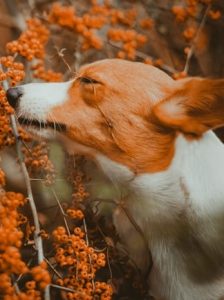
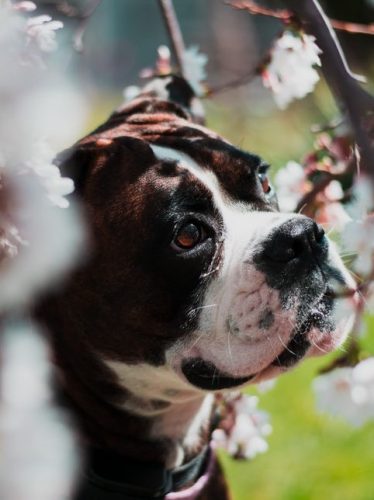
    Flowering plants and verdant bushes are nature’s “perfume” and an invitation to take a walk with your dog and furry clients.

    As dog lovers and professional pet sitters, we know the importance of daily exercise for all dogs. Not only is a walk an opportunity for dogs to relieve themselves, but more importantly, it’s mentally stimulating for them to absorb all those enticing smells. When outside of their home, dogs are able to smell other dog’s “litter” and send signals to each other in the process.

    With close to 300 million olfactory scent receptors in their noses, dogs can tell if the other dog is male or female, sick, or in heat. Male dogs especially will add their deposit to the community “puddle” and lift their back leg high enough to ensure it’s at the next dog’s nose level. Often, they will scratch the ground to further spread their personal scent, its group email!

    Dogs don’t have to be specially trained for scent work to employ this natural talent. All dogs follow their nose with superior assessment abilities. Rather than rushing through the walk, stop and smell the roses together.

    Why is this important, especially if you are in a hurry to get to the next client or be home in time to cook dinner for hungry humans? Dogs find odors desirable. 

    This includes smelly socks and shoes, armpits, mouth odor (good or bad) and other familiar smells that we emit every day. Sanitized odors are less desirable, including the sterilized smells in a veterinarian clinic.

    Every walk should be a “sniffari” for dogs. Make each moment count!

    Hugs,

    Your AoPP team


  • Covid’s Impact on Pet Health

    Covid’s Impact on Pet Health

    As we unpack the past 2 years, the requirement to embrace change became necessary during unprecedented upheaval. We found creative ways to entertain ourselves indoors and learned to Zoom. We’ve emerged from the Covid cocoon, yet what about our pets?

    Dogs born and/or acquired in 2020 were kept in isolation too. Robbed of the opportunity to socialize with other dogs and experience a routine away from their owners, they may suffer acute separation anxiety and fear of new events. Both dogs and cats were living La Dolce Vita with 24/7 attention and may be experiencing signs of anxiousness and anxiety as their owners return to offices, travel and spend longer periods away from them.

    According to Stacy Liberatore for DailyMail.com in an article published last June, researchers at Auburn University discovered that: “pandemic puppies” are fearful during encounters with other dogs and humans because they spent so much of their early lives cooped up inside” and are prone to panic in unfamiliar environments. https://www.dailymail.co.uk/sciencetech/article-9694389/Pandemic-puppies-adopted-COVID-19-lockdowns-face-behavior-challenges.html

    As early socialization is critically important in the first 3 months of a young pup’s life, learning to bond and socially communicate with other dogs and people helps them develop their coping skills and confidence.

    Perhaps you’ve seen signs of client’s pets’ anxiety such as whining or increased barking, excessive licking or shaking, indoor destruction or never-done-before accidents, lack of appetite or refusing treats. Cats may also show these same signs in addition to suddenly ignoring the litter box, attempting to hide or escape, or pouring on more affection than usual.

    Clients may need to begin a period of “desensitization” by leaving their dogs or cats alone for a spell. Starting with short absences and gradually increasing the time they are gone. Sessions should be kept short while avoiding the impulse to make it a big deal when they leave or return.

    With patience, a pet will learn to adapt. Devotional practice is required as it may take a few weeks to months to reestablish that pet’s confidence during owner absences from home. First, determine the threshold of time it takes before the pet panics.  Increase their time alone until they are comfortable from minutes to hours. Vary the time of day for these practice sessions.

    Make sure that before anyone leaves the house, positive rewards are provided so they have a different focus about the exit. Give them a high value treat so they associate something yummy with the departure. Leaving entertainment toys or a stuffed Kong to keep them occupied while the house is empty is a good distraction. For cats, introduce a new toy or bring out their favorite one only during those “vacant” hours.

    Of course, continued exercise and mental stimulation should be routine for dogs and cats. Staying cooped up in the home, with or without human interaction, can promote anxiety. Going for regular walks, play time, training activities and lots of physical affection are especially important for their mental health.  This is where a professional pet sitter shines when providing daily walks or fur babysitting services.

    Advertising and social media messages should focus on these key elements to promote your valuable services. Fur babysitting services for a few hours in the client’s home is a business opportunity for pet sitters.  Offering pet entertainment (a longer timeframe than routine walks or visits to clean the litterbox and fill the food bowl) is worth consideration based on your client base and how many “Covid” pets you can uncover.

    NOTE: If these counter-conditioning methods aren’t working, it’s possible the pet may have a medical condition that requires a veterinarian’s analysis.  If all else fails, some pets may benefit from calming aids (subject to the family vet’s interface in this regard).

    As we adapt to change, dogs and cats can also adjust and be just as happy with careful guidance on your part.

    Hugs,

    Your AoPP Pet Pro Team