/home/qiocp3sxg2b3/public_html/app.comeback2.host/wp-content/mu-plugins pet sitter certification – Association of Pet Professionals

Tag: pet sitter certification

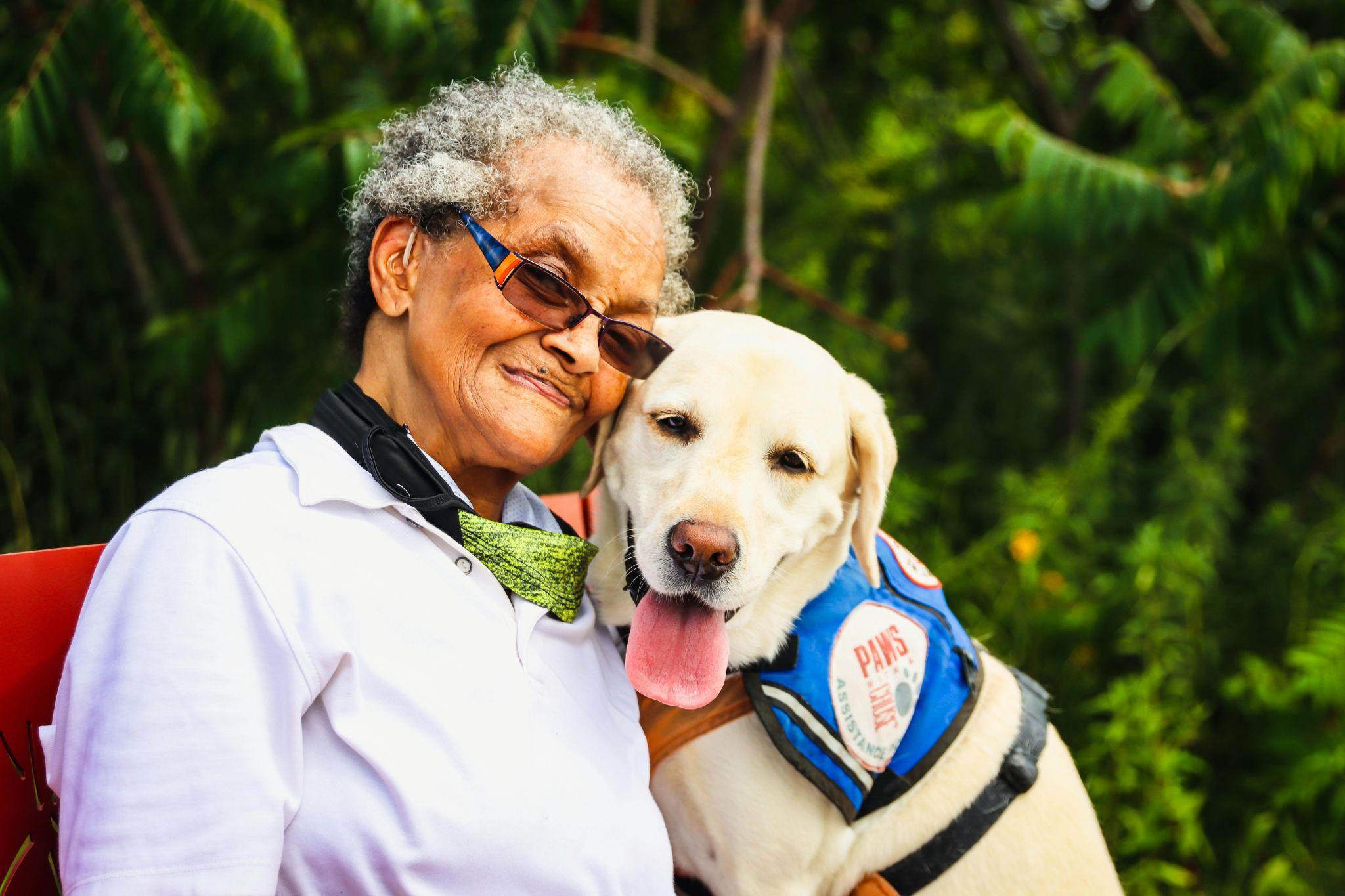
  • Tips for Finding Pet-Friendly Assisted Living Facility for Seniors

    Tips for Finding Pet-Friendly Assisted Living Facility for Seniors

    senior dog owners


    Another great article from Nick Burton @ http://ourbestdoggo.com! We appreciate the collaboration with guest bloggers. We’re sharing this unique perspective with our audience who may have clients or relatives at this stage in their lives. 

    Finding the best pet-friendly assisted living community is crucial for seniors who consider their pets as family. Pets offer unparalleled companionship and emotional support, which are vital for seniors transitioning to a new living environment.

    Exploring the right factors can lead to a harmonious living situation for both you and your four-legged friend. In this article, we explore essential considerations to ensure your move to an assisted living community is as smooth as possible for both you and your beloved companion.


    Finding the Right Facility


    Finding the right care facility is essential for health, happiness, and peace of mind. This process involves carefully evaluating individual needs, including medical requirements, daily assistance, and social activities, to ensure the facility offer the necessary services.

    Thorough research, including visiting potential facilities and consulting with healthcare professionals, can provide valuable information to make an informed choice. We recommend A Place for Mom for references and facility search locations: https://www.aplaceformom.com/

    Choosing the Right Pet-Friendly Environment


    Before you begin your search, it’s important to understand exactly what your pet’s needs are. A pet-friendly assisted living facility should have clear policies, ample amenities, and suitable accommodations. The presence of accessible outdoor spaces for walks and activities that cater to pet owners and nearby veterinary services are essential.

    Prioritizing Well-being for You and Your Beloved Companion


    The importance of self-care and stress management cannot be overstated for seniors and their pets. To minimize stress for the pet, maintaining a consistent routine and providing familiar comfort items can be helpful. Be on the lookout for signs of stress, such as behavioral changes or altered eating patterns, and address these concerns promptly.


    Selecting Comfort-Enhancing Pet Products


    In addition to relocating their trusted “comfort objects” from home, investing in something new for additional stimulation and enjoyment may ease their stress during the transition. Choose quality and peer-reviewed products for a new bed, toy, or special treats. These essential pet items can significantly contribute to their sense of security and happiness in their new home, in addition to maintaining established routines.

    Exploring the Advantages of Pets in Assisted Living


    Bringing pets into assisted living environments offers significant benefits, including reducing feelings of loneliness and promoting emotional support. Pet ownership has been shown to positively affect both physical and mental health, encouraging more social interactions and physical activity.

    These relationships are integral to the well-being of seniors, making pet-friendly communities highly desirable.


    Seeking Professional Pet Care Services


    Sometimes, you might need a professional pet sitter or dog walker who can care for your pet when you can’t. Look for those individuals with pet sitter certifications and liability insurance coverage which demonstrates their professional standards.

    A pet sitter, who belongs to a professional pet sitter association, is certified for Pet CPR & First Aid and additional pet sitting training helps solidify their professionalism and dedication to service excellence.

    It’s important to interview prospective pet sitters with your pet to observe their interaction with both of you. A good pet sitter will communicate meaningfully with you and provide regular updates on your pets’ activities and behavior.

    Staying on Top of Health and Vaccinations


    Ensuring your pet is up to date with vaccinations with regular health checks is paramount, as this will ensure both his safety and the safety of others within your new community. Core vaccines and additional health precautions should be discussed with your veterinarian. Regular veterinary visits for preventive care are the best way to keep your animal thriving, especially for senior pets.

    Understanding Community Policies and Size Restrictions


    Being informed about the size restrictions and specific pet policies of assisted living communities is essential.  Familiarizing yourself with these rules before making a decision will avoid unpleasant surprises. Compliance with these policies is crucial for a seamless transition to your new home, which will reduce stress for both you and your companion animal.

    With the right planning and consideration, finding a community that meets your needs and enhances your quality of life is in the best interest of keeping the family together and happy during this life-stage transition.

    The Association of Pet Professionals is here to help develop passionate pet care.  Join our association to cultivate your passion for pet care and gain valuable insights from the experts! Join now: http://app.comeback2.host/join-us/

    Many thanks to our guest editor Nick Burton for his salivating articles and contribution to our pet professional community!

    Photo attributions: Featured image by Provisionshots on Pexels and article insert by Cottonbro Studios on Pexels


  • Ultimate Guide to a Memorable Road Trip with your Dog

    Ultimate Guide to a Memorable Road Trip with your Dog

    Safe driving with dogs


    For many dog owners and professional pet sitters, hitting the road with their furry companions is an exciting adventure. Whether it’s a short trip to the dog park or a cross-country journey, ensuring your pet’s safety during travel is paramount.

    Traveling with dogs requires some preparation and consideration, especially when it comes to road safety.

    If your dog isn’t accustomed to car travel, take some short practice drives to help them acclimate to being in the car. Start with brief trips around the block and gradually increase the duration as your dog becomes more comfortable.

    Use positive reinforcement and treats to create a favorable association with car rides.

    SAFETY

    Just as humans wear seatbelts for safety, dogs need to be properly restrained in the car.  Unrestrained dogs can be a distraction to the driver and can be seriously injured in the event of a sudden stop or accident.

    Invest in a sturdy harness or pet carrier designed for car travel. Avoid letting your dog ride in the front seat, as airbags can pose a danger to them if deployed.

    Your dog should be kept secure in the back seat, with either a ventilated crate (if crate trained) or at a minimum, a pet safety belt or travel harness. Ideally, his crate will be large enough to allow him to sit, stand, lie down and turn around.

    Never let your dog hang his head out the window!


    While many dogs love feeling the wind in their face, allowing them to stick their head out of the car window is risky.  Debris from the road or passing cars can cause eye injuries.

    Sudden stops or swerves could cause your dog to fall out the window and become injured. Keep the windows cracked open just enough to provide ventilation only.

    It’s never safe to leave your dog unattended, especially in hot weather. Even with the windows cracked open, temperatures inside a car can quickly reach dangerous levels, leading to heatstroke and even death. Ideally, you have a human travel companion to stay with the dogs in your air-conditioned car while you make gas and fast-food breaks.

    You might want to research Veterinarians and 24/7 clinics in the area you plan to visit. Hope you don’t need those resources, yet in the interest of safety and preparedness it’s a good idea.

    Professional pet sitters should be trained in Pet CPR & First Aid. Pet sitter certification not only sets you apart from your competition, it is a useful skill should you encounter an emergency while traveling with your pet. Editor’s note: our Members Only section offers member discounts for essential training courses.


    MOTION SICKNESS


    Before hitting the road for the first time, it’s a good idea to practice first with short trips. This will help your dog adjust to a longer car ride and lets you know if your dog is prone to motion sickness.

    If that’s the case, talk to your Vet about anti-nausea medication. Your pet should eat a light meal 3-4 hours prior to departure.

    Consider the locations you will be visiting and talk to your Vet about possible threats in those areas. While your dog may be updated on routine vaccinations, there may be other “lifestyle” vaccinations to consider when entering new terrain, such as Lyme disease or Leptospirosis.

    WHAT TO PACK

    Comfort objects from home, such as a favorite toy and pet bed, will help with the change of scenery. In addition to plenty of food and treats, you should also bring:

    • portable water and drinking bowls
    • a pet first aid kit
    • medications
    • proof of vaccinations
    • ID tags
    • collar, leash and/or harness
    • bottled or tap water in large jugs (recommended to avoid bacteria ingestion from unreliable public sources).

    Check the weather forecast in advance. Weather-related accessories may be required if you’re traveling to a different climate. If your dog is used to year-round sunshine and you’re headed to the mountains, consider a dog sweater or raincoat.

    If you are headed to open spaces, such as a campground, an extra precaution might be a GPS Whistle tracker to place on your dog’s collar. The GPS function will track any on-the-loose dog within 3000 miles. Editor’s note: If you’re considering putting an AirTag on your dog’s collar, don’t — the risks outweigh the rewards. Read this article for the risks associated with AirTags: https://appleinsider.com/articles/23/01/31/heres-why-you-dont-put-an-airtag-on-your-dogs-collar

    PIT STOPS WITH YOUR POOCH


    Puppies and senior dogs will need more frequent restroom breaks. Stopping every 2-3 hours is a good rule of thumb and will allow all of you to stretch your legs and stay awake, especially if you plan to cover long distances in a day.

    There are many pet-friendly hotels that will accommodate your overnight stays, to break up the time spent in the car. Plan ahead and book reservations in advance. Hotel policies vary, including extra fees and weight or breed limitations.

    A great website to find dog-friendly hotels, restaurants and local events and venues (ex: dog parks and hiking trails): www.bringfido.com.

    State-run rest stops off the interstates might offer a designated pet area for your pit stops. Keep plenty of doo bags with you and always keep your dog on a leash when out of the car.

    Traffic is busy, including large, long-distance trucks that can spook a dog. Some states have breed restrictions, so research the states you plan to travel in to ensure you’re not entering an area that doesn’t appreciate your dog’s heritage.

    DOGGIE DAY-CARE OR BOARDING


    If you plan to attend a day-long event, such as a wedding or graduation upon arrival, look up dog day-care or dog boarding facilities nearby. Some dogs can’t be left alone for long periods, particularly in an unfamiliar place. Be sure to call ahead to confirm pet resort availability! Pet resorts have specific vaccination requirements that your dog may or may not have. 

    Once you arrive at your destination, do your best to maintain established routines while also enjoying your vacation getaway.

    Hit the road with happy hearts and wagging tails!

    Join us for more helpful tips and tools as a professional pet sitter @ Join Us – Association of Pet Professionals

    Photo credits: young couple with dog: RDNE on pexels and dog behind car wheel: Justin Choi on pexels