/home/qiocp3sxg2b3/public_html/app.comeback2.host/wp-content/mu-plugins pet sitter jobs – Association of Pet Professionals

Tag: pet sitter jobs

  • 4th of July Safety Tips for Professional Pet Sitters

    4th of July Safety Tips for Professional Pet Sitters

    Keeping dogs safe on 4th of July

    With 4th of July approaching, and backyard barbecues and fireworks to come, please remember that pets may not appreciate the fanfare as much as we do! July 5th is the busiest day of the year for animal shelters. In fact, dog shelters report a 30 – 60% increase in lost pets each year between July 4th and July 6th.

    Many pets do not react well to the loud noise of fireworks and will go to extreme lengths to avoid them….as in ESCAPE! Consider a dog’s natural instincts to sniff out their territory and guard against inherent dangers.

    A sudden change in their environment, such as a loud noise, intense flashes of light or gunpowder smells in the air can easily promote a “fight or flight” response.

    A dog’s acute sense of hearing is 100x better than ours. Extremely loud noises are especially painful if not anxiety-provoking for a dog. Conversely, Senior dogs not formerly prone to firework fears may show new signs of distress as their hearing changes with age. This could affect how they react as they register sounds differently.  

    In the interest of safe and professional pet care, please consider these 13 TIPS to ensure the protection of all pets during the 4th of July holiday:


    PROPER IDENTIFICATION

    (1). Make sure all pets have proper collars and ID tags, with current address and phone #. Micro-chipping is also a good idea. If a dog or cat gets loose, a Good Samaritan, shelter or Veterinarian will know to check for a chip and find the owner in the data base, for safe return.

    For the ultimate in pet protection, a dog owner and professional pet sitter might invest in a GPS tracker. Using smart technology to track a pet’s location and activity, these wonderful devices easily attach to the collar and can locate a lost dog within 3000 miles. We recommend CubeTracker (in Members Only section). NOTE: Air Tags are NOT recommended for use on pets.


    PLAN AHEAD

    (2). Whether entertaining at home or planning to leave the house, create a quiet room where your pet guests can’t see outside. Play soft, classical music. Turn on a fan or other “white noise” tactics and make sure they aren’t alone for long. If you must leave, include toys, hidden treats and comfort objects in this ‘safety’ room.

    CALMING SOLUTIONS

    (3). Calming solutions for dogs and cats, such as calming treats, pheromone diffusers, and anxiety wraps, offer numerous benefits for both pets and their owners. These solutions help reduce stress and anxiety, making pets feel more comfortable and secure. Best to discuss this with your clients in advance as they may have calming products to administer when their pets are in your care.

    Pet Pro Tip: Best to refrain from prescribing a calming aid without obtaining client permission first! You cannot predict if your furry guest will have a negative reaction to your “solution”.

    EXERCISE

    (4). Exercise dogs earlier in the day. In the cooler morning hours, take him for a nice long walk. Later in the day, play in the pool or use the garden hose to stay cool while fetching a ball in the backyard.

    KNOW WHAT’S GOING ON NEARBY RE: PLANNED EVENTS

    (5). Research local town news regarding city-planned firework displays, so you can anticipate when and for how long the blast will last. Pet Pro Tip: Consult with your neighbors or ask your client about neighborhood activity to inquire if they are planning to pop off a few rockets.

    HAVE PLENTY OF FRESH WATER AVAILABLE

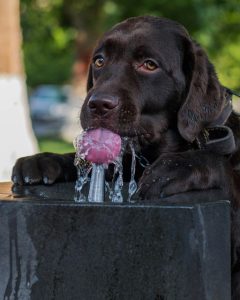
    (6). Have a full, fresh bowl of water available (anxious dogs pant more so need to drink more) and serve dinner well in advance (anxious dogs often won’t eat).  Keep dogs hydrated during summer and 4th of July
    STAY CALM TO KEEP THEM CALM

    (7). If you notice that a dog is getting anxious during the fireworks, speak soothingly during the display and shutter the windows or lower the blinds. Do not overly compensate their fear by smothering them with more-than-usual affection. However, if they run for cover, under a bed or behind a sofa, then seek you out for assurance, embrace that opportunity to snuggle and console. Never scold a dog for being scared.

    LEASH UP

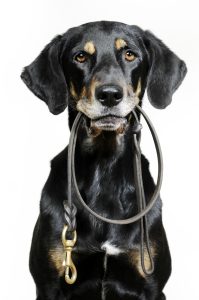
    (8). Leash all dogs when going outside. As an added precaution during fireworks displays near you, keep your dog on a leash when you let them out to potty (even in the backyard).
    How to start a pet business

    NO DOG OUTDOORS UNSUPERVISED EVER, EVER, EVER!

    (9). Never leave pets outside alone on any day, much less July 4th!! Many will panic and attempt to escape. Given their level of anxiety, they may dig under fences or rip through screen doors to flee the scene. This is a serious discussion to have with clients who have doggie doors and you will only be in the home for a short visit.

    BACK-YARD ENTERTAINING TIPS

    (10). If entertaining outdoors, be careful with human sunscreen and insect repellents. While you apply them on your own skin, make sure your dogs or cats aren’t in the spray. It’s o.k. to use sunscreen on pets if they are particularly susceptible (thin-coated dogs), provided they are vet-approved.

    (11). Be cautious around your barbecue grill. The grease trap is a huge temptation for a dog and is an unfortunate cause of pancreatitis if consumed. Lighter fluids and hot coals should be closely monitored. Coals and hot sparks can jump.

    (12). Keep animal treats on hand and ask guests to refrain from feeding the wrong food to your pets. Alcohol, coffee, chocolate, grapes, raisins, onions, avocado, fatty meats, nuts, salty or sugary snacks should not be shared with your pets.

    (13). Festive decorations are part of the 4th of July fun, but they can pose a hazard to pets. Strings of lights, streamers, and balloons can be enticing to pets but dangerous if chewed or swallowed. Keep decorations out of reach and clean up promptly after the celebrations. If you’re using sparklers, glow sticks, or other festive items, make sure your pets don’t have access to them. These items can cause burns, choking, or other injuries.

    Enjoy the celebration of our nation’s independence and have a safe and happy 4th of July!

    Hugs,

    Your Pet Pros at AoPP

    Additional tips from ASPCA: Fourth of July Safety Tips | ASPCAFourth of July Safety Tips | ASPCA

    JOIN US for a deeper dive into professional pet sitting resources to help you grow your business! Join Us – Association of Pet Professionals


    Photo attributions: featured image from 365 vet.co.uk (2019). 

    Dog holding leash in mouth on shutterstock (purchased)

    Dog drinking from fountain on unsplash


  • Tips for Finding Pet-Friendly Assisted Living Facility for Seniors

    Tips for Finding Pet-Friendly Assisted Living Facility for Seniors

    senior dog owners


    Another great article from Nick Burton @ http://ourbestdoggo.com! We appreciate the collaboration with guest bloggers. We’re sharing this unique perspective with our audience who may have clients or relatives at this stage in their lives. 

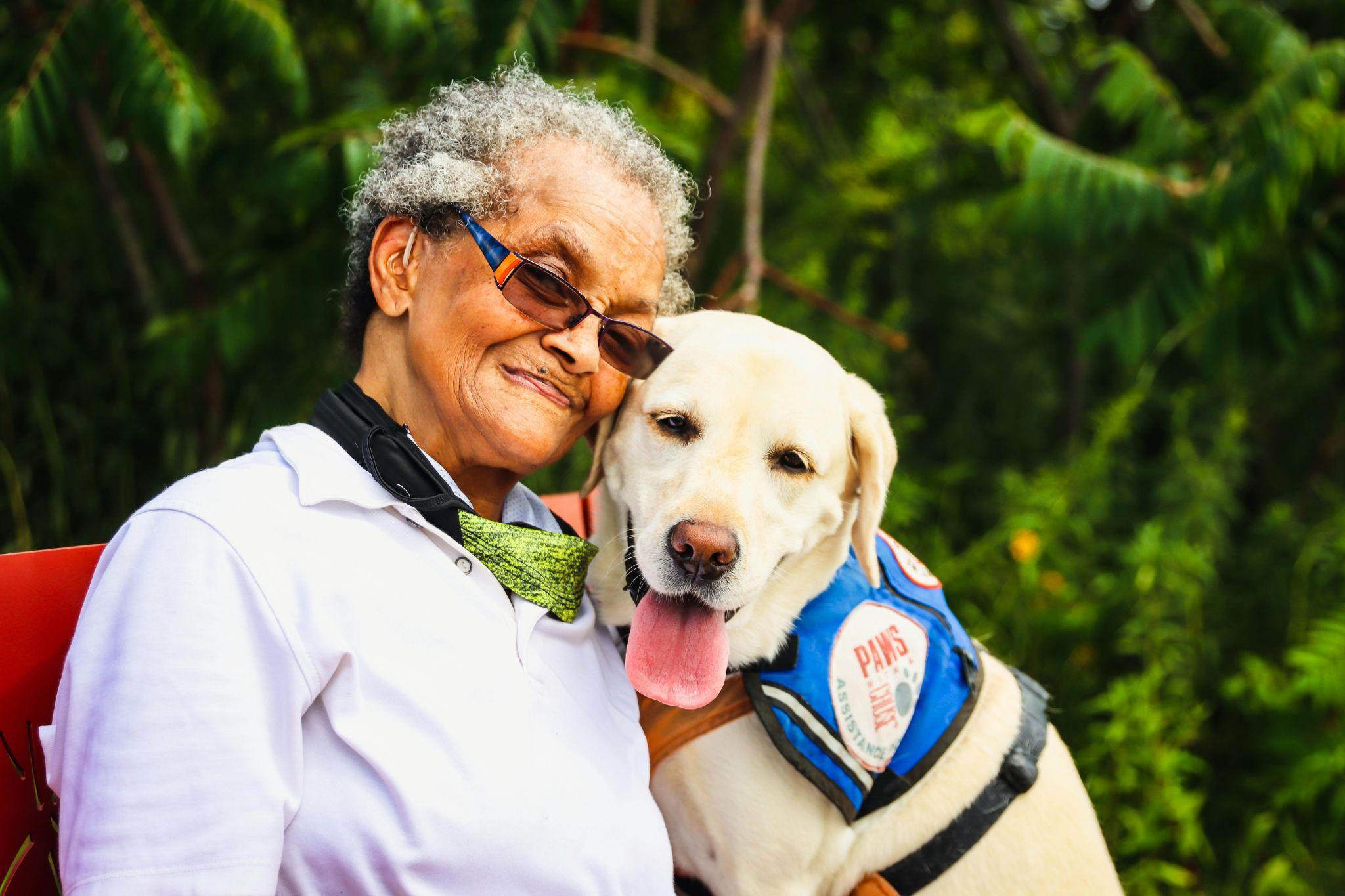
    Finding the best pet-friendly assisted living community is crucial for seniors who consider their pets as family. Pets offer unparalleled companionship and emotional support, which are vital for seniors transitioning to a new living environment.

    Exploring the right factors can lead to a harmonious living situation for both you and your four-legged friend. In this article, we explore essential considerations to ensure your move to an assisted living community is as smooth as possible for both you and your beloved companion.


    Finding the Right Facility


    Finding the right care facility is essential for health, happiness, and peace of mind. This process involves carefully evaluating individual needs, including medical requirements, daily assistance, and social activities, to ensure the facility offer the necessary services.

    Thorough research, including visiting potential facilities and consulting with healthcare professionals, can provide valuable information to make an informed choice. We recommend A Place for Mom for references and facility search locations: https://www.aplaceformom.com/

    Choosing the Right Pet-Friendly Environment


    Before you begin your search, it’s important to understand exactly what your pet’s needs are. A pet-friendly assisted living facility should have clear policies, ample amenities, and suitable accommodations. The presence of accessible outdoor spaces for walks and activities that cater to pet owners and nearby veterinary services are essential.

    Prioritizing Well-being for You and Your Beloved Companion


    The importance of self-care and stress management cannot be overstated for seniors and their pets. To minimize stress for the pet, maintaining a consistent routine and providing familiar comfort items can be helpful. Be on the lookout for signs of stress, such as behavioral changes or altered eating patterns, and address these concerns promptly.


    Selecting Comfort-Enhancing Pet Products


    In addition to relocating their trusted “comfort objects” from home, investing in something new for additional stimulation and enjoyment may ease their stress during the transition. Choose quality and peer-reviewed products for a new bed, toy, or special treats. These essential pet items can significantly contribute to their sense of security and happiness in their new home, in addition to maintaining established routines.

    Exploring the Advantages of Pets in Assisted Living


    Bringing pets into assisted living environments offers significant benefits, including reducing feelings of loneliness and promoting emotional support. Pet ownership has been shown to positively affect both physical and mental health, encouraging more social interactions and physical activity.

    These relationships are integral to the well-being of seniors, making pet-friendly communities highly desirable.


    Seeking Professional Pet Care Services


    Sometimes, you might need a professional pet sitter or dog walker who can care for your pet when you can’t. Look for those individuals with pet sitter certifications and liability insurance coverage which demonstrates their professional standards.

    A pet sitter, who belongs to a professional pet sitter association, is certified for Pet CPR & First Aid and additional pet sitting training helps solidify their professionalism and dedication to service excellence.

    It’s important to interview prospective pet sitters with your pet to observe their interaction with both of you. A good pet sitter will communicate meaningfully with you and provide regular updates on your pets’ activities and behavior.

    Staying on Top of Health and Vaccinations


    Ensuring your pet is up to date with vaccinations with regular health checks is paramount, as this will ensure both his safety and the safety of others within your new community. Core vaccines and additional health precautions should be discussed with your veterinarian. Regular veterinary visits for preventive care are the best way to keep your animal thriving, especially for senior pets.

    Understanding Community Policies and Size Restrictions


    Being informed about the size restrictions and specific pet policies of assisted living communities is essential.  Familiarizing yourself with these rules before making a decision will avoid unpleasant surprises. Compliance with these policies is crucial for a seamless transition to your new home, which will reduce stress for both you and your companion animal.

    With the right planning and consideration, finding a community that meets your needs and enhances your quality of life is in the best interest of keeping the family together and happy during this life-stage transition.

    The Association of Pet Professionals is here to help develop passionate pet care.  Join our association to cultivate your passion for pet care and gain valuable insights from the experts! Join now: http://app.comeback2.host/join-us/

    Many thanks to our guest editor Nick Burton for his salivating articles and contribution to our pet professional community!

    Photo attributions: Featured image by Provisionshots on Pexels and article insert by Cottonbro Studios on Pexels