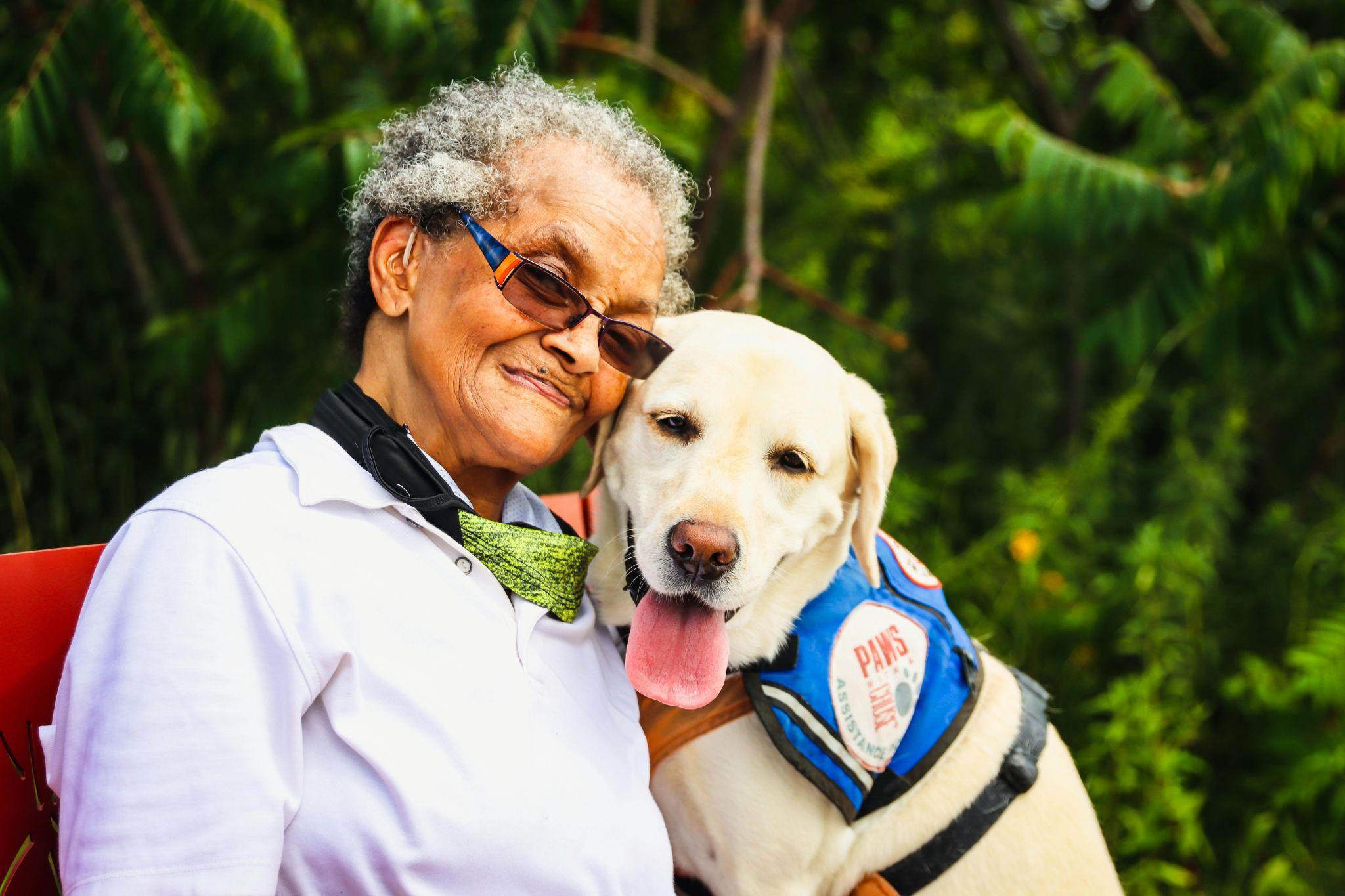

Another great article from Nick Burton @ http://ourbestdoggo.com! We appreciate the collaboration with guest bloggers. We’re sharing this unique perspective with our audience who may have clients or relatives at this stage in their lives.
Finding the best pet-friendly assisted living community is crucial for seniors who consider their pets as family. Pets offer unparalleled companionship and emotional support, which are vital for seniors transitioning to a new living environment.
Exploring the right factors can lead to a harmonious living situation for both you and your four-legged friend. In this article, we explore essential considerations to ensure your move to an assisted living community is as smooth as possible for both you and your beloved companion.
Finding the Right Facility
Finding the right care facility is essential for health, happiness, and peace of mind. This process involves carefully evaluating individual needs, including medical requirements, daily assistance, and social activities, to ensure the facility offer the necessary services.
Thorough research, including visiting potential facilities and consulting with healthcare professionals, can provide valuable information to make an informed choice. We recommend A Place for Mom for references and facility search locations: https://www.aplaceformom.com/
Choosing the Right Pet-Friendly Environment
Before you begin your search, it’s important to understand exactly what your pet’s needs are. A pet-friendly assisted living facility should have clear policies, ample amenities, and suitable accommodations. The presence of accessible outdoor spaces for walks and activities that cater to pet owners and nearby veterinary services are essential.
Prioritizing Well-being for You and Your Beloved Companion
The importance of self-care and stress management cannot be overstated for seniors and their pets. To minimize stress for the pet, maintaining a consistent routine and providing familiar comfort items can be helpful. Be on the lookout for signs of stress, such as behavioral changes or altered eating patterns, and address these concerns promptly.
Selecting Comfort-Enhancing Pet Products
In addition to relocating their trusted “comfort objects” from home, investing in something new for additional stimulation and enjoyment may ease their stress during the transition. Choose quality and peer-reviewed products for a new bed, toy, or special treats. These essential pet items can significantly contribute to their sense of security and happiness in their new home, in addition to maintaining established routines.
Exploring the Advantages of Pets in Assisted Living
Bringing pets into assisted living environments offers significant benefits, including reducing feelings of loneliness and promoting emotional support. Pet ownership has been shown to positively affect both physical and mental health, encouraging more social interactions and physical activity.
These relationships are integral to the well-being of seniors, making pet-friendly communities highly desirable.
Seeking Professional Pet Care Services
Sometimes, you might need a professional pet sitter or dog walker who can care for your pet when you can’t. Look for those individuals with pet sitter certifications and liability insurance coverage which demonstrates their professional standards.
A pet sitter, who belongs to a professional pet sitter association, is certified for Pet CPR & First Aid and additional pet sitting training helps solidify their professionalism and dedication to service excellence.
It’s important to interview prospective pet sitters with your pet to observe their interaction with both of you. A good pet sitter will communicate meaningfully with you and provide regular updates on your pets’ activities and behavior.
Staying on Top of Health and Vaccinations
Ensuring your pet is up to date with vaccinations with regular health checks is paramount, as this will ensure both his safety and the safety of others within your new community. Core vaccines and additional health precautions should be discussed with your veterinarian. Regular veterinary visits for preventive care are the best way to keep your animal thriving, especially for senior pets.
Understanding Community Policies and Size Restrictions
Being informed about the size restrictions and specific pet policies of assisted living communities is essential. Familiarizing yourself with these rules before making a decision will avoid unpleasant surprises. Compliance with these policies is crucial for a seamless transition to your new home, which will reduce stress for both you and your companion animal.
With the right planning and consideration, finding a community that meets your needs and enhances your quality of life is in the best interest of keeping the family together and happy during this life-stage transition.
The Association of Pet Professionals is here to help develop passionate pet care. Join our association to cultivate your passion for pet care and gain valuable insights from the experts! Join now: http://app.comeback2.host/join-us/
Many thanks to our guest editor Nick Burton for his salivating articles and contribution to our pet professional community!
Photo attributions: Featured image by Provisionshots on Pexels and article insert by Cottonbro Studios on Pexels

 Thinking of taking a road trip with your dog? Driving cross country with your dog can be a fun way to see the sights and include your companion in the fun. Helpful tips to keep in mind: