/home/qiocp3sxg2b3/public_html/app.comeback2.host/wp-content/mu-plugins Pet sitter tips – Page 3 – Association of Pet Professionals

Tag: Pet sitter tips

  • How to Engage dogs with Scent Games

    How to Engage dogs with Scent Games

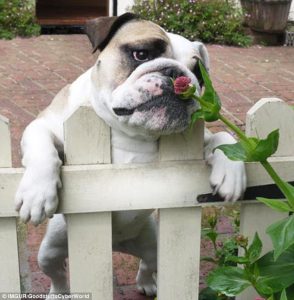
    Bulldog sniffing a flower

    One of our previous blogs shares the science behind the extraordinary scent powers of a dog. Read “How Stress affects Dogs and Cats regarding their extraordinary sense of smell (they can smell our stress among other things!) How Stress affects Dogs & Cats – Association of Pet Professionals

    While puppies are nearly blind at birth, their sense of smell is fully developed.  The part of the brain that analyzes scent is 40 times bigger in a dog’s brain than ours. To fully engage and entertain dogs you are pet sitting, try these simple and inexpensive games and activities.

    (1). Treasure Hunt:  Hide treats throughout the house!

    • Start with 1 or 2 in plain sight (when she’s not looking). Call her and say, “FIND IT”.
    • After she gobbles those, say ‘GOOD FIND IT” and repeat the process in less obvious places.
    • Get creative with a food dispensing object (Kong) or smear cheese on a rubber toy you can hide (best on a non-carpeted surface).
    • To play scent games outside, hide frozen cubes of meat broth. Repeat the command “FIND IT” and praise with “GOOD FIND IT” when she discovers the treat.

    (2). Shell Game: Start with 4 sturdy coffee-cup sized containers.

    While she’s watching, place a treat underneath one cup then move it back and forth. Say “FIND IT”. When she sniffs the cup, lift it up and say, “GOOD FIND IT”. This is easy with only one cup, right? To intensive the game, add another cup, then another, repeating the process (like a magician moving the cups back and forth). Make sure you say, “GOOD FIND IT” and reveal the treat underneath when she sniffs the right cup.

    (3). Hide ‘N Seek: YOU are the treat!

    When she’s in another room, sneak off and hide somewhere. If you have an active dog, she will come looking for you. When you “sense” her sniffing for you, reveal yourself with “GOOD FIND IT” and provide a treat as praise.

    (4). Muffin Tin Game: This is very popular and requires a simple muffle tin, treats and balls.

    Place treats at the bottom of each cup hole. Put a ball on top to cover the treats (tennis balls work great). Your dog will have to move the ball to get to the treat.  This not only helps them practice their scent work, but also exercises their problem-solving skills and mental stimulation needs.

    (5). Box Search: This is a great way to reuse those Amazon delivery boxes!

    When she’s out of the room, place several empty boxes on the floor and fill most of them (not all) with treats. Bring her into the room and encourage the hunt with FIND IT!  Praise her for each “find”. Put the boxes away when all the treats are gone to signal the game is over.

    Get creative and have fun practicing scent work with dogs in your care.  Be sure to share these pet sitting experiences and the dog’s performance with your clients.  They will love you for it (and may try these games in their home!)

    Hugs from your Pet Pro Team @ Aopp

    Join us for more tips & tools to achieve new heights in your pet sitting business! http://app.comeback2.host/join-us/


  • Essential Client Questions to Ensure Tailored Pet-Sitting Care

    Essential Client Questions to Ensure Tailored Pet-Sitting Care

    All pets need a professional pet sitter

    In today’s digital age, texting has become a predominant mode of communication.


    However, it often lacks the depth and richness of real conversation. In real conversations, there is less room for misinterpretation or misunderstanding. In order to build trust and rapport with new clients, meaningful dialogue by phone will help establish your authenticity with your prospective clients. Knowing what questions to ask before you commit are included below.

    People love to talk about their pets! Keep your tone and dialogue enthusiastic as you dive into the initial questions including style of service needed, the client’s location and if you are available for the service dates needed.

    Does the client live in your service area and are you able to help them? If you only offer dog walks and cat visits and the client needs in-home pet boarding, refer them to another trusted pet sitter.

    It’s helpful to know the client’s travel itinerary, including time of day they are leaving and returning home. Knowing those details will help you with scheduling. We know too well that the art of juggling multiple clients requires creative scheduling!

    Taking a deeper dive into specific pet details will be the crux of your conversation as all animals are individually unique. A dog’s breed, age, size, general disposition and health should be explored in greater depth.

    Does your furry guest require medications or insulin injections, frequent potty breaks or meals during the day, outdoor exercise or suffer from separation anxiety? Ask about the owner’s past experiences when hiring pet sitters, which will help gauge their expectations of you.

    If caring for a cat, are they prone to hide upon your arrival or will they want to cuddle and purr with you? Ask leading questions to get a feel for the pet’s personality. More extensive care may also determine how much you charge for special pet needs that require more time to fulfill. Do not hesitate to decline business if you feel the situation is beyond your capabilities or will put you at risk!

    Other sample questions include:

    • Can you tell me about your pet’s daily routine? (Feeding times, exercise schedule, etc.)
    • Does your pet have any specific dietary restrictions or allergies?
    • Are there any medications or special instructions I should be aware of?
    • How does your pet behave around strangers or other animals?
    • Are there any particular behaviors or quirks I should know about your pet?
    • Who is your family veterinarian?
    • Do you have a preferred veterinarian in case of emergencies? PET PRO TIP: Create a list of Emergency Clinics in your area.
    • Are there any areas of your home that are off-limits to the pet sitter or specific instructions regarding house access?
    • How does your pet typically react to being left alone for extended periods?
    • How would you like updates on your pet’s wellbeing while you’re away? (Note: this can include photos, texts, and videos and should always include daily check-ins).
    • Is there anything else you’d like me to know about your pet or your expectations for their care?

    Your Value Proposition:


    When discussing your services, include value-added “extras” you offer. This might include fetching mail, or packages left at the front door, watering indoor plants or taking the garbage in/out. You may want to charge a little more for these helpful household chores even if you are only in the client’s home briefly to walk their pup or refresh food and water.

    Sometimes, doing these little extras without being asked or offered at no charge, will help curry a stronger client relationship.

    Provide excellent customer service by being responsive to inquiries, professional in your communications and reliable in your pet care services.  Happy clients are more likely to recommend you to others and become repeat customers.

    Stay updated on industry trends, attend pet care workshops or on-line training and certification programs, and continually improve your skills is fundamental to providing the best possible care for your client’s pets.

    The Association of Pet Professionals offers these skill-building resources for our members. Become a member today! Only $10/month to join and tap into the well of knowledge we have waiting for you @ http://app.comeback2.host/join-us/

    Keep doing YOU and always strive to do your best as the professional pet sitter you are! We’re here to help you grow your pet sitting business. 🙂

    Hugs from your AoPP Pet Pro Team

  • Pet Sitter Tips to curb Counter-Surfing Dogs

    Pet Sitter Tips to curb Counter-Surfing Dogs

    For Home-Style pet boarding, you have undoubtedly experienced a few canine counter surfers who want what you’re having!

    Most dogs can’t resist the lure of something yummy left on the kitchen counter. If given the opportunity to nab it, you bet it’s a robbery about to happen.  Obviously, if you know your furry guests are prone to thievery, you clear the countertops of every bread crumb before you exit the kitchen. A pet sitter’s job is to ensure dogs stick to their diet which doesn’t include the human treats in the kitchen, not supplied by their owners.

    Yet if you are boarding one or more dogs or pet sitting for a dog in a household with family members who aren’t as diligent as you are, it may be harder to control.  This is especially important when toxic food items are inadvertently made available. For a complete list of people foods that are toxic to pets, visit: https://www.aspca.org/pet-care/animal-poison-control/people-foods-avoid-feeding-your-pets

    I will never forget the antics of a favorite house guest “Zoey”. I knew in advance that Zoey had sneaky skills. A beautiful English Mastiff with the height to easily reach countertops coupled with a keen interest to explore pantry doors, counters and cupboards. She would wait until no one was looking then help herself to food items of desire.

    Her Mom dropped her off for boarding after she consumed an Easter basket of chocolates- wrappers and all! For several days, her outdoor “deposits” included a rainbow of foil. Given her girth, she digested her spoils without issue.  A smaller dog, however, would have been rushed to the vet.

    To curb this “Zoey-like” habit with furry house guests, a little pet sitter ingenuity is required. A quick and easy solution is to install a baby gate at the kitchen entrance every time you are cooking or serving family meals. A simple spring-loaded gate should be sufficient and avoid drilling holes in your walls.

    If you have the time for a little training, leave something tempting on the countertop, slightly out of nose reach, and hide around the corner. Using either a spy cam device or hand-held mirror, wait and watch for your dog to investigate, then rush in quickly with the command “leave it!” or “ah ah ah” to interrupt this behavior. If practiced over time, they will eventually get the point and “leave it” alone.

    You can also try to redirect the dog’s behavior.  Give them a food-stuffed toy or chew bone in another room of the home to keep them busy while you’re cooking in the kitchen. Chew bones are best served when there is only one dog in the other room. With multiple dogs, chew bones can incite a fight, so it is best to avoid food aggression. This includes keeping them separated during mealtimes.

    We’d love to hear your “Zoey” stories!  Comment below or share as a post on our social pages!

    As always, be safe and happy in your pet sitting journey. We’re here to help you every step of the way! Join us @ http://app.comeback2.host/join-us/

    Hugs,

    Tori and AoPP pet pros

    photo credit: dfordog.co.uk


  • Moving with Pets

    Moving with Pets

    Whether moving across town or out of state, it is an exhausting proceMoving with dogs and catsss for any family, including the furry children. Dogs and cats are creatures of habit and thrive on predictable routines. The frenzied activity of a household relocation can cause as much stress for them as their owners, yet manageable with some extra planning. Pet sitters can help their clients by sharing these tips and offering special (off-site) pet care for clients moving locally. Pet Pro Tip: partner with local real estate agents to let them know you offer pet care services for their clients on the move.



    Before any move, researching local ordinances and homeowner’s association by-laws that may restrict certain dog breeds OR the number of household pets allowed is critical.  For multi-pet families, it’s important to know in advance what to expect before signing the housing or rental contract! Discriminatory breed bans are particularly prevalent when it comes to “bully breeds” with an unfair bias against Pit bulls. Breed stereotypes can affect homeowner’s insurance rates, rental property availability or restrictions against ownership.

    If moving cross country, pet owners should consider climate changes that might require additional pet protocols for flea, tick, heartworm and Leptospirosis treatment. Leptospirosis is more common in warm climates and those areas with high annual rainfall. Many dog owners living in desert climates enlist professional snake-training for their dogs as an added precaution.

    Maintain Pet Routines with Focus on Safety


    It’s important to maintain a pet’s daily routines as much as possible, especially during the packing process.  All those boxes and disappearing items will be unsettling for them.  Leave their pet beds, bowls and toys for last and make sure they are the first items to be unpacked. Cats love cardboard boxes, which is a bonus for cat owners.  Let the cat play with an empty box or two, and perhaps add a special treat inside to make those boxes extra fun for them.

    If a dog or cat is not used to a carrier, a slow introduction is necessary. Leave the crate/carrier out with the door open. Add a favorite toy or treat inside so they can explore it slowly and on their terms. You can also serve their meals inside the crate, moving the food further back each time.

    Moving day can be quite traumatic for both owner and pet. The commotion of movers may prompt a “fight or flight” response, and an open front door is not only likely, but an invitation for a dog or cat to escape. As an added precaution, create a safe, quiet and secure room for them. For highly anxious dogs or cats, calming aids, supplements or medications may be needed. This should be discussed with the family veterinarian.

    Find A Local Veterinarian upon arrival!


    Once settled, pet owners need to find a local Veterinarian and emergency 24/7 vet facility near their new home.   Tips to finding a good vet include word of mouth, neighbors, rescue groups and breed-specific organizations. Searching on Yelp and Google can also be helpful. Ask about care costs and if a payment plan is available. A pet insurance plan should also be considered as part of a pet’s wellness program, for all life stages. Keeping vaccination records in an organized file to share with the new vet is always a good practice, yet often overlooked and easily lost in a move.

    A family move brings many new and different changes that can be both exciting and daunting at the same time. Some pets may take a detour on potty or crate training when in a new place, as they adjust.

    Getting them used to the new house, neighborhood, environmental scenery and noises can be viewed as an adventure if not an invitation to get back to basics with dog training and using high value treats as rewards during acclimation. Positive reinforcement with calming tones and praise will help pets adjust during the move and after settling into new digs.

    Hugs,

    Your Pet Pros @ AoPP


  • The Yin and Yang of Spay & Neuter

    The Yin and Yang of Spay & Neuter

         As a professional pet sitter, it’s important to understand spay and neuter issues to assess potential complications for your pet sitting business.  If you are boarding dogs in your home or pet sitting a young dog still intact, details to consider are included in this blog. Nature at its finest…are you prepared?

    Of course, the decision to spay or neuter a pet is entirely up to the owner. Opinions are mixed as to the ideal age to spay or neuter a dog.  Rescue groups and animal shelters spay and neuter as quickly as possible to avoid unwanted litters.  Some veterinarians, most breeders and individual owners may lean toward delaying these procedures past the first 6 months of age to avoid potential health risks later.

         Risks include joint disorders (hip or elbow dysplasia) and various cancers, such as lymphoma, mast cell tumor and osteosarcoma.

         Spaying or neutering within the first 6 months of age delays the closure of growth plates that control bone development.  Subsequently, the longer the wait period the more likely optimal growth in height and conformation will occur.

    However, on the other side of this debate (for female dogs) may increase the risk of “pyometra”, a dreadful uterus infection and mammary cancer. For intact males, there is potentially added risk of testicular cancer.

    X-rays will show when growth plates are fully closed, which is a helpful tool to determine when it’s best to schedule surgery.

    Timing of surgery may also be influenced by breed.

    According to researchers at the University of California, Davis some dog breeds have a higher risk of developing certain cancers and joint diseases if neutered or spayed within the first year.

    They analyzed 15 years of data from thousands of dogs examined yearly. The results are extremely mixed, based on their professional review of 35 different dog breeds.

    In many cases these potential health concerns were not necessarily affected by the dog’s age at neutering, but more likely due to body size. Fundamentally, smaller dogs are less prone to joint disorders as they mature as early as six to nine months of age, whereas bigger breeds take longer.

    Interestingly enough, it was discovered that Great Danes and Irish Wolfhounds, despite their “largesse”, did not show an increased risk when neutered at various ages. Who would’ve thunk?

    Benjamin Hart, distinguished professor emeritus at the UC Davis School of Veterinary Medicine states: “There is a huge disparity among different breeds…there is no “one size fits all” when it comes to health risks and the age at which a dog is neutered. Some breeds developed problems, others didn’t. Some may have developed joint disorders but not cancer or the other way around.”

    NOTE: Diet and nutrition were not factors of this study’s assessment, yet certainly begs to be considered when studying the incidence of cancer in our companion animals.

    Sexually-driven Behaviors of Intact Male Dogs

          Male dogs tend to reach sexual maturity between the ages of five and twelve months old. During this timeframe, you can expect hormonally-driven undesirable behaviors to unveil:


    • Increased frustration released by digging, scratching, and chewing.
    • Restlessness and inability to settle down.
    • Flight impulses including fence jumping and door dashing.
    • Barking, lunging, growling, snapping, biting and fighting with other male dogs.
    • Lack of cooperation and noncompliant behavior.
    • Excessive pulling and dragging during walking; intense sniffing and licking female urine.
    • Extra interest in the genital area and excessive grooming.
    • Exhibiting sexual arousal when petted or given attention.
    • Mounting people, animals and/or objects (or thin air).
    • Excessive urine marking, both indoors and outdoors.
    • Frustrated, excessive barking.

    Due to these problematic behaviors, commercial facilities will deny entrance to an intact male past the age of 6 months…and pet sitters should strongly consider the added complications as well!

    Boarding a female dog that isn’t spayed and likely to come into heat on your watch is a risk most pet sitters should avoid.

    For pet owners who plan to travel without their pets during this “wait” period, its best to secure pet accommodations well in advance or delay travel until the deed is done. For professional pet sitters, it’s essential to consider waiting to provide service until these potential complications have passed.

    Hugs from your Pet Pro Team @ AoPP!

    photograph credit: Taylor Sondgeroth on Unsplash

    Resources for this article:

    https://www.ucdavis.edu/news/when-should-you-neuter-your-dog-avoid-health-risks

    https://www.frontiersin.org/articles/10.3389/fvets.2020.00388/full

    https://dogdiscoveries.com/behavior/behaviors-of-intact-male-dogs

    https://www.akc.org/expert-advice/vets-corner/neutering-spaying-right-age-dog/


  • The Love Language spoken by Dogs

    The Love Language spoken by Dogs


    The Love Language Between us and our Dogs


    If you own or pet sit for dogs, you know they possess marvelous communication skills. Apart from their vocalization and understanding of our words and commands, dog body language involves their posture, tails, head and eye gaze and using their paws to emphasize their point. Dogs go “all in” with their all! A professional pet sitter knows how to interpret these signals in order to properly respond.

    Have you noticed when you stop petting a dog how they might “paw” you for more? I love the lovers who can’t get enough petting and stroking; especially when at the computer keyboard with a cup of coffee in one hand and their head gets involved to say, “keep going”.  The coffee flies.

    Roll Over is more than a Trick!

    Rolling over for a belly rub is a sign of relaxed contentment and to garner love and attention. It’s also a sign of trust in you. Done in the presence of other dogs, it may be a sign of respect to the higher-ranking dog in the pack.

    The Tail is a good Tell

    A low to medium tail position that is either still or wagging is a dog’s “tell” that he is relaxed and happy. If it’s tucked under, this dog is expressing fear, deference or appeasement. When the tail goes high and fast, this could be excitement, tension, or aggression. The latter requires big-picture context in order to decipher what’s being communicated. I enjoy the helicopter tail that is accompanied by a wiggling body, soft eyes and excited whimpers that truly says, “I love you!”

    Eye Contact and Gaze

    dog eye gaze

    Studies have shown that dogs are really good at reading our moods, via eye gazing. Dogs follow our gaze to determine if what we’re saying or doing is directed at them. Additionally, when we gaze back, our levels of oxytocin (the “cuddle chemical”) are increased in both dog and owner (and pet sitter). It might be that those “puppy dog” looks were developed by dogs to get just what they want from us.

    For those dogs that look away, they are simply being polite and deferential. They do not wish to be confrontational so avoid your eye gaze. Some dogs will perceive a prolonged eye stare as a threat, so always be careful when first meeting a dog “eye to eye”.

    Dog Speak

    Equally as fascinating as a dog’s body language cues, is their ability to communicate verbally. Not only are dogs using a range of vocal signals (whining, barking, baying -hello Beagle- but in some cases, their own unique sounds (one I’ve heard yet can’t fully describe, sounds like “row, row, row”).

    Not only can they communicate verbally with other dogs, knowing instinctively how to interpret the other dogs’ bark, they understand our words. Their cognitive abilities go well beyond their learned response to training commands.

    Dog Cognition

    Dogs have proven their ability to understand what humans are barking about. Every dog knows what the word walk means. Ex: when we ask them “wanna go for a walk?” while also grabbing visual aids such as a leash, tennis shoes and even poo bags, these verbal and non-verbal signals from us sends them into excited oblivion.

    In the book “The Genius of Dogs”, by Brian Hare & Vanessa Woods, Brian talks about his own dog Oreo. Brian’s Dad decided it would be a great idea to get Oreo to fetch the Sunday paper from their long, steep driveway. His father simply brought Oreo to the end of the driveway, pointed at the paper and said, “fetch paper”. When Oreo complied, he was praised. Within a week, Dad was standing at the top of the driveway, asking Oreo to “fetch paper” and Oreo knew what was wanted.

    Not only did Oreo understand the words, but also the initial gesture of pointing at the paper and applying cognitive inference as well. Dr. Hare’s early examination of Oreo’s cognitive abilities has launched a full-scale institute of Canine Cognition Studies known as DOGNITION. Learn more @ https://www.dognition.com/ for fun, games and enlightenment.

    To quote Dr. Hare: “Relative to other animals, it is the ability of dogs to understand human communication that is truly remarkable. Some dogs have the ability to learn hundreds of names for objects. They learn these names extremely rapidly through an inferential process of exclusion. They also spontaneously understand the category to which different objects belong. Some dogs even show understanding of the symbolic nature of human object labels. Dogs may truly understand words.”

    I am not an expert nor possess any degrees in anthropological studies. I have simply had the pleasure of hosting and personally observing 1000’s of dogs in my home over the past 14 years in my cage-free boarding business: https://www.doolittlesdoghouse.com Yes, it is truly possible to “talk to the animals” just like Dr. Dolittle’s character. Dogs understand what we are saying and doing and lovingly reciprocate in their own unique and wonderful ways.

    Hugs and love,

    Tori

  • Easter is a Bunnanza for Rabbit Acquistions

    Easter is a Bunnanza for Rabbit Acquistions


    Because bunnies are oh-so-cute, they are often given as gifts at Easter. Sadly, shelter workers report they are the most returned pet after Easter.
    Those cute and cuddly baby bunnies sexually mature at 4 months and adolescent behavior follows: biting, spraying, and not wanting to be held.

    Rabbits need to be spayed or neutered and as they get older, want to be held and carried less. They are most active at dawn and dusk, so prefer to sleep during the day.  This shortens the window of companionship time together.

    Bunnies are susceptible to various illnesses, bacterial infections (signs: runny eyes, nose, increased sneezing, wheezing), and even bladder stones (straining, bloody urine, crying while in litter box). The last is the most serious and requires immediate surgery.

    A rabbit needs to be kept indoors. The cage bottom needs to be covered with thick newspaper, sea grass mats, or cushy straw to prevent hock sores.

    The House Rabbit Society offers beyond-fuzzy advice for prospective bunny owners:

    • A rabbit as an Easter gift is not a good idea – chocolate bunnies are best!
    • Never buy a rabbit (adopt instead!)
    • Do your homework first to learn about rabbits as pets.
    • When you’re ready for an 8–12-year commitment, adopt from a local rescue/shelter.

    Rabbits are wonderful companions, but they’re not for everyone. If you want to learn more about caring for a rabbit, visit their website: https://rabbit.org. Fostering a rabbit first is a great way to experience life with a rabbit before making a permanent commitment.

    How many rabbits have you encountered and cared for in your pet sitting profession? Reply below or send an email to share your “bunny” experiences @ info@app.comeback2.host or http://app.comeback2.host/contact-us/

    Hoppy Easter and hugs from your Pet Pro Team @ AoPP!

    We believe that rabbits are intelligent and social beings. House Rabbit Society, a 501(c)(3) nonprofit organization, is the nation’s largest rabbit welfare group. Their aim is to improve the lives of domestic rabbits through education, awareness, and rescue.


  • The Importance of Time Management and Zen for Successful Pet Sitters

    The Importance of Time Management and Zen for Successful Pet Sitters

    Pet Parents are traveling more than ever, so pet-sitting demands mount in gleeful yet more stress-inducing ways. To maintain an effective work-life balance, consider how to best manage your time and tasks, not only during this busy season but throughout the year.

    Pet sitters need self care too!Time is your most valuable and scarcest resource, with 1440 minutes a day to accomplish your personal and professional goals. Use your early morning to strengthen your heart, mind and body. Buddhist Monks keep their eyes closed and breathe first before getting out of bed! They reflect on the gift of another day before they start the day.



    Each morning, start with the most important task, break it down and nail it. The Pareto principle, also known as the 80-20 rule, correlates to 80% of results come from 20% of your activity. Say no to everything that doesn’t meet your immediate goals. Everything you say yes to means you are saying no to something else.

    Carry a notebook with you and jot down all your positive thoughts that are captured in your mind throughout the day. Your mind will process and organize your thoughts for you naturally.

    Control your inbox and shut off notifications (those cell phone “pings” throughout the day are distractions). Process your emails 2-3 x day, yet in controlled fashion and based on priority.


    pet sitters run all day!Find creative ways to avoid procrastination. EX: you’ve been thinking about an exercise program yet work demands keep putting that jog on hold. Solution: Put tennis shoes next to the bed and go to sleep in a t-shirt and jogging shorts!



    Establish Focus Days, Buffer Days and Free Days. Focus days are the Pareto of your week, with the first 2 hours of Focus Days centered on your Most Important Tasks. Buffer Days are the “admin” days to catch up on phone calls, texts, emails, blogs, client newsletters, payroll etc. Free Days are the days you don’t work! Always take time for yourself and close the office. Staff
    should not be expected to work 7 days a week either.

    Set an outgoing message on your office phone that says: “Thank you for calling (your name/company name). We’re sorry to have missed you. Please leave a detailed message so we can better assist you. The office is closed after 5:00 and on weekends. If you have a last-minute FUR11 after normal work hours, please call or text (name) on his/her cell phone (#)”.

    This simple message sets client expectations to (a). Respect a normal work week regimen and (b). Not to expect a return call on a Saturday or Sunday. You are also letting them know that urgent after-hour needs will be met and managed.


    Pet sitters need to relax between dog walksTake lots of breaks during the day! Sprint, rest, sprint, rest…Hard work and relentless focus on your dreams and goals is admirable. Just breathe and take breaks to avoid burnout.


    Many successful business people use “To-Do” lists to organize their day, while others rely on calendars. Choose what works best for you. To-Do List Apps are available as an alternative to white-paper lists with a little more functionality.
    For tech-lovers who want to download an app for organizing your day, take a peek at our recommendations based on great reviews:

    Any.Do (“must have” per NY times and WSJ)

    Sorted3 (everything in one place)

    TickTick (has a Habit Tracker feature that includes time slots for meditation)

    Trello (this one includes team management functions).

    The Association of Pet Professionals cares about its members. We are here to help you succeed as a professional Pet Sitter and are as dedicated to you as you are to your clients and their companion animals.

    Let’s travel together with joy and peace.

  • Pet Sitter Care Tips for Senior Dogs

    Pet Sitter Care Tips for Senior Dogs

    If a dog is rounding the corner at 6 years of age, they may now be considered a senior (depending on the breed).

    VCA, with over 750 hospitals and 4700+ Primary Care Veterinarians explains it this way:

    • “Pets age at a faster rate than people. It is a popular misconception that one calendar year equates to seven years in a dog’s life. In actual fact, in one calendar year a dog may age the equivalent of four to fifteen years in a human’s life. The reason for this dramatic difference is that puppies reach maturity very quickly and are essentially adolescents or young adults by a year of age – thus they are considered to be the equivalent of a 15-year-old by their first birthday. During the second year, the rate of aging slows down a little so that the average dog is considered to be the equivalent of a 24–25-year-old by their second birthday. After that, the rate of aging is estimated to be 4-5 dog years per calendar year, depending on the size and breed. Large breed dogs age relatively more quickly than small breed dogs. By the time your dog reaches its 6th birthday, it will be either middle-aged (if a small or medium breed dog) or geriatric (if a large breed dog).”

    Veterinary well exams once per year, if not semi-annually for seniors is highly recommended. A well exam is more comprehensive than a typical visit. Sadly, this is often overlooked by pet parents.

    A wellness examination is a complete physical assessment with diagnostic testing that may include blood work, x-rays, urinalysis, and checking a stool sample for parasites. Special equipment is used to listen to heart and lungs, examine ears and eyes and check vital signs. Blood tests may include a complete blood cell count and chemistry panels to test for possible anemia, infection or organ disease. Blood chemistry tests are critical to evaluate how a dog’s body organs are functioning. Early detection of an underlying condition will add years to a dog’s life.

    Caring for senior dogs

    It’s important to carefully monitor a senior dog’s health, keep him active and mentally stimulated, and institute appropriate dietary adjustments as he ages. Many senior dog conditions can be mitigated by simple dietary changes, including joint supplements. A pet insurance plan should also be considered as part of a pet’s wellness program, for all of their life stages. A senior well exam is more important than maintaining vaccinations.

    Some vaccinations may be unnecessary for a senior dog. Recommend that your clients talk to their veterinarian about the necessity of Parvo/Distemper shots past the age of 10. Many holistic practitioners believe a dog is sufficiently immune to the risk of Parvo/Distemper so may not be necessary later in life.

    Additionally, after the age of 2, these same vaccinations can be administered every 3 years (vs. annually). Consider the suggestion from the American Veterinary Medical Association:

    “Many vaccinations provide adequate immunity when administered every few years, while others require more frequent schedules to                        maintain an acceptable level of immunity that will continually protect your pet”.

    An example of more frequent and optional vaccinations might include Bordetella and/or Leptospirosis. For active dogs that frequent dog parks or doggie daycares, Bordetella is necessary. For those who may be exposed to wetlands, forests, soggy golf courses or anywhere a disease-carrying animal might infect water sources, Leptospirosis is recommended. These 2 vaccinations are considered “lifestyle” vaccinations and specific to a dog’s exposure to other dogs and unique terrain.

    Dogs with suppressed immune systems or existing health conditions require case-by-case consideration, wherein some or all vaccinations could be more harmful than beneficial.

    Early diagnosis of potential health conditions will make the difference in adding years to a dog’s life. It’s easy to miss the subtle signs of “senioritis” until symptoms present which sometimes require an unplanned, emergency vet visit. Dogs are very good at masking their pain. If you notice unusual vocalization, excessive panting, atypical pacing, disorientation, body tremors, lethargy or inability to get comfortable or rest peacefully, that dog is telling you something. If the vocalization becomes a pronounced and extended howl, we’re talking serious pain now.

    Decreased eyesight and hearing is a natural aging condition for many dogs, along with newly developed lumps and bumps that are most likely benign; yet should be analyzed by a vet.

    Compromised mobility is common in seniors. If a dog isn’t climbing the stairs, walking as far, has trouble getting up or down or slips on slick floor surfaces, anti-inflammatories and/or joint supplements can help, if not adding a few rugs and soft pet beds on hard-floor surfaces to help their navigation and comfort.

    CBD for pets is also gaining popularity in providing relief for older dogs with stiff joints, periodic lameness, inflammation and arthritis. CBD is also being used as an alternative supplement for pets with pain and anxiety.

    Exercise is still important for a senior dog, however moderated for his ability. This helps maintain a healthy body weight as overweight dogs suffer from a number of health problems. It’s much easier walking a senior dog than an exuberant puppy still in the leash-training stage!

    PET PRO TIP: You want to develop a meaningful relationship with local vets. They are not only a dog’s “other partner” they are great referral sources for your business. Share these “senior dog care” tips with your clients to reinforce your professionalism and thoughtfulness.

    Hugs,

    Senior dog care for pet sitters

    Your Pet Pro Team @ AoPP


  • Why do Dogs Hump?

    Why do Dogs Hump?

    Note: this article is for pet owners and pet sitters to better understand what causes a dog to perform the “humpty-do” dance.

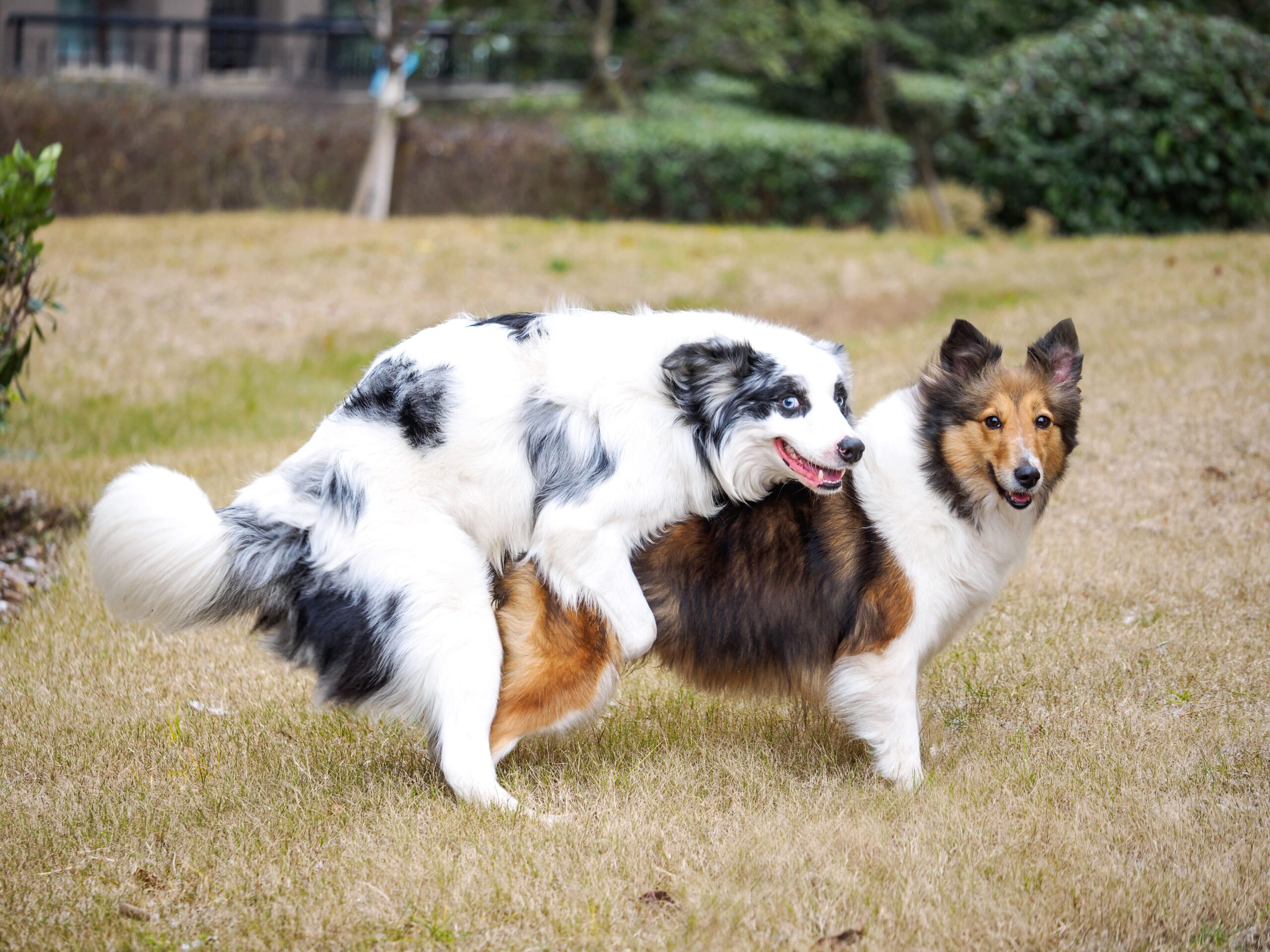
    Humping or “mounting” is a common behavior and not exclusive to intact or stud males only. Neutered males and females may also “go for it”.

    Obviously, in the case of a female dog in heat, any male dog will traverse hill and dale to start that party. Unless you are a professional breeder, you must keep your female dog in lock down to avoid an unwanted litter. Intact males are especially prone to fervent (sexual) humping.

    There Are Many Reasons Why Dogs Hump Each Other And, In Some Cases, Hump Humans and Inanimate Objects.

    Normal play behavior between two dogs might include some humping.  Provided it does not continue indefinitely, nor seem to bother the “receiver,” it is o.k. to let the dogs work it out between themselves. There is a dominance issue involved that often alternates between who is on top. However, some dogs will not react well to being humped, so best to be prepared to intervene if the situation escalates.

    Dogs may use this action to relieve stress or frustration. Rather than become horrified, owners (and pet sitters) should evaluate what might be causing their dog’s anxiety. Are they getting enough exercise? Are they socially frustrated, experiencing disruption to routine or do they lack proper socialization?

    Some dogs get overly excited when around other dogs or visitors come to your home. This stimulating event might result in hyper arousal. Leash your dog before introductions are made and be sure to praise and reward them once they have settled down.

    In the case of humping pillows, blankets or toys, it simply feels good. Provided you have ruled out any underlying medical conditions, no harm- no foul if only an occasional release. Persistent humping of objects may mean a compulsive disorder that requires behavioral analysis and treatment.

    When humans are the object of desire, it’s best to walk away to dissuade the behavior or distract the dog with another activity. dogs will hump pillows when aroused

    If your humper is in overdrive when playing with other dogs, you might need to separate him for a little quiet time to quell the excitement. Do not punish your dog, yet gently with soft voice tones, ease him away for a cool down before reengaging in play time.

    Make sure your dog is getting plenty of exercise, outdoor release, and mental stimulation. Your dog may benefit by private or group training classes. This includes specialized training to modify behavior, controlled socialization, agility and/or general obedience. Good Canine Citizen classes are a wonderful choice for owners wanting a stronger and balanced bond with their dogs.

    Have you had any experiences with humpers? How did you handle it? Share your stories with us!

    For more info on this topic, read this article from petMD: https://www.petmd.com/dog/behavior/why-do-dogs-hump

    Hugs,

    Tori

    Photo attribution of dog on dog from Google images by blogspot.com. Thank you fellow bloggers!

    Pillow shown actually sold and available (including other choices) on http://cafepress.com