/home/qiocp3sxg2b3/public_html/app.comeback2.host/wp-content/mu-plugins Pet sitter tips – Page 5 – Association of Pet Professionals

Tag: Pet sitter tips

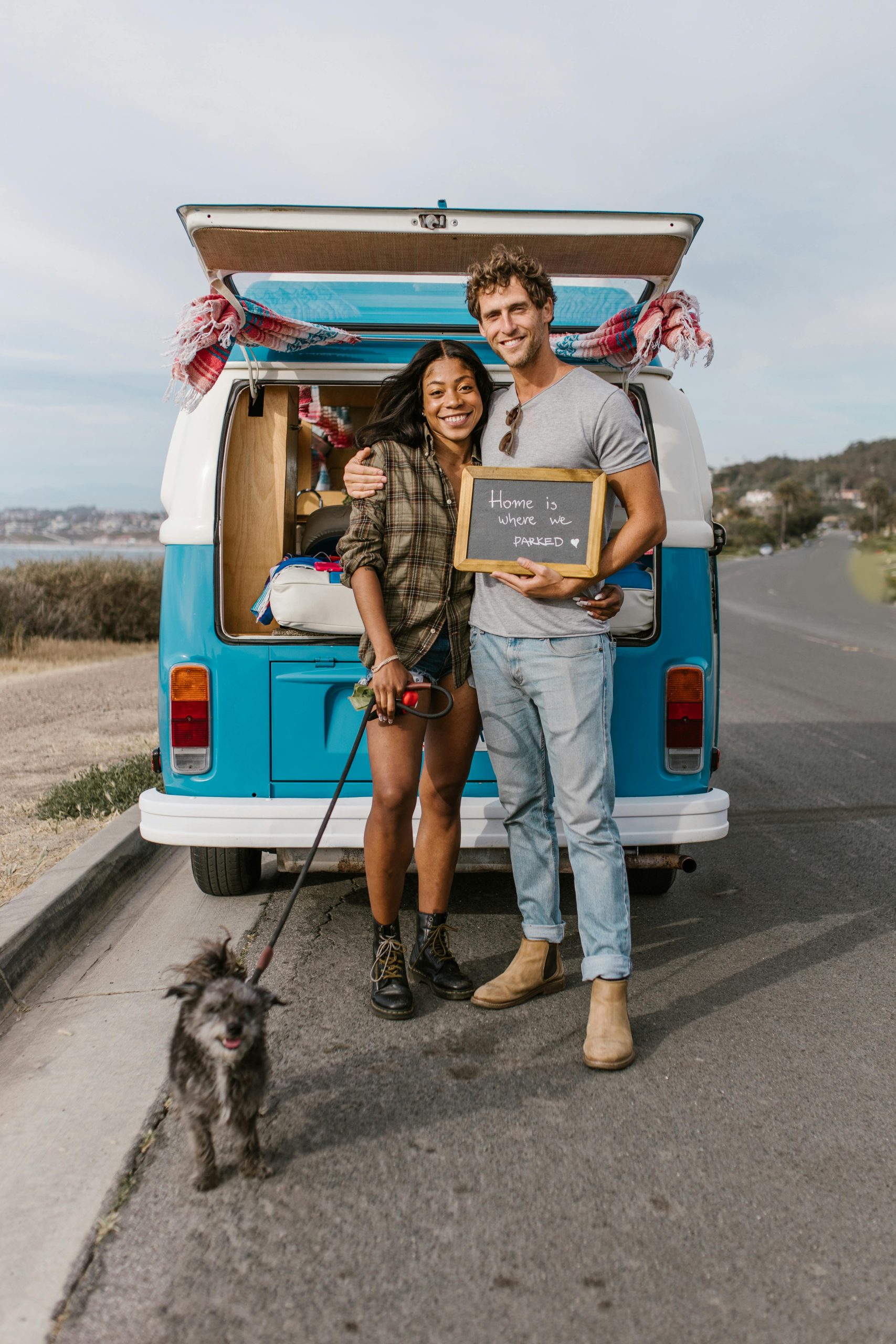
  • Essential Tips for Safe Dog-Friendly Road Trips

    Essential Tips for Safe Dog-Friendly Road Trips

    Safe driving with dogsThinking of taking a road trip with your dog? Driving cross country with your dog can be a fun way to see the sights and include your companion in the fun. Helpful tips to keep in mind:

    SAFETY

    Hopefully, your dog is used to riding in the car. If not, start in advance and go slow. Take short, quick trips with plenty of treats to promote the fun of being in the car with you.

    Your dog should be kept secure in the back seat, with either a ventilated crate (if crate trained) or at a minimum, a pet safety belt or travel harness. Ideally, his crate will be large enough to allow him to sit, stand, lie down and turn around. Never let your dog hang his head out the window. Flying objects, including rocks on the road, can be injurious.

    Ideally, you have a human travel companion to stay with the dogs in your air-conditioned car while you make gas and fast-food breaks.

    You might want to research Veterinarians and 24/7 clinics in the area you plan to visit. Hope you don’t need those resources, yet in the interest of safety and preparedness it’s a good idea.

    MOTION SICKNESS

    Before hitting the road for the first time, it’s a good idea to practice first with short trips. This will help your dog adjust to a longer car ride and lets you know if your dog is prone to motion sickness. If that’s the case, talk to your Vet about anti-nausea medication. Your pet should eat a light meal 3-4 hours prior to departure.

    Consider the locations you will be visiting and talk to your Vet about possible threats in those areas. While your dog may be updated on routine vaccinations, there may be other “lifestyle” vaccinations to consider when entering new terrain, such as Lyme disease or Leptospirosis.

    WHAT TO PACK

    Comfort objects from home, such as a favorite toy and pet bed, will help with the change of scenery. In addition to plenty of food and treats, pack water and a portable drinking bowl, a pet first aid kit, medications, proof of vaccinations, ID tags, collar, leash and/or harness are road-trip essentials. Bottled or tap water in large jugs is recommended to avoid bacteria ingestion from unreliable public sources.

    Check the weather forecast in advance. Weather-related accessories may be required if you’re traveling to a different climate. If your dog is used to year-round sunshine and you’re headed to the mountains, consider a dog sweater or raincoat.

    If you are headed to open spaces, such as a campground, an extra precaution might be a GPS Whistle tracker to place on your dog’s collar. The GPS function will track any on-the-loose dog within 3000 miles.

    PIT STOPS WITH YOUR POOCH

    Puppies and senior dogs will need more frequent restroom breaks. Stopping every 2-3 hours is a good rule of thumb and will allow all of you to stretch your legs and stay awake, especially if you plan to cover long distances in a day.

    There are many pet-friendly hotels that will accommodate your overnight stays, to break up the time spent in the car. Plan ahead and book reservations in advance. Hotel policies vary, including extra fees and weight or breed limitations. A great website to find dog-friendly hotels, restaurants and local events and venues (ex: dog parks and hiking trails): www.bringfido.com.

    State-run rest stops off the interstates might offer a designated pet area for your pit stops. Keep plenty of doo bags with you and always keep your dog on a leash when out of the car. Traffic is busy, including large, long-distance trucks that can spook a dog. Some states have breed restrictions, so research the states you plan to travel in to ensure you’re not entering an area that doesn’t appreciate your dog’s heritage.

    DOGGIE DAY-CARE OR BOARDING

    Some dogs can’t be left alone for long periods, particularly in an unfamiliar place, so make advance arrangements for their companionship while you are off-site for longer than a few hours. Locating local pet sitters for assistance is an advantage that will reap great rewards for both of you. Once you’ve arrived at your destination, do your best to maintain established routines while also enjoying your vacation getaway.

    Hit the road with happy hearts and wagging tails! Join us for more tips and resources http://app.comeback2.host/join-us/

    photo attributions:

    featured image: RDNE STOCK on Pexels 

    dog driving car: Justin Choi on Pexels

  • Protecting Pets From Wildlife

    Protecting Pets From Wildlife

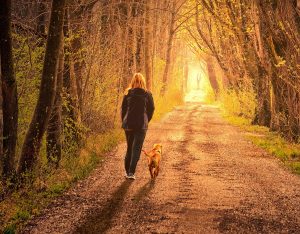
    Walking a dog in wilderness

    The beauty of nature is undeniable. Of course, we want to share the great outdoors with our furry companions, and they are certainly ready and willing to go on an adventure. Unfortunately, wild animals are a real danger to our four-legged friends, so it’s important for pet owners to be aware of the risks and take precautions to keep their cats and dogs out of harm’s way.

    The first step to protecting your beloved pet is education. Once you understand and recognize dangerous wildlife that may be living nearby, it is easier to spot potential threats. The best way to prevent major injury or illness is to avoid these creatures altogether. Get started by checking out the following list of animals that can harm your cat or dog:

    The Biggest Culprits

    • Raptors – Though modern-day birds may look quite different from their dinosaur ancestors; they can be just as vicious. While it is unlikely an owl will snatch a cat or small dog for its dinner, there are still risks involved when one takes up residence in your yard. Birds of prey, like hawks, are territorial. Unknowingly entering their domain with your pet can lead to a seemingly unprovoked attack.

    To protect pets from raptors, owners need to be observant. Carefully scout out places where pets play. If you find a hawk’s nest, do not attempt to move or destroy it. Note the location and stay far away. Remain close to dogs weighing less than 20 pounds and never leave them unattended.

    • Skunks– Thanks to their omnivorous diet, skunks will enter residential areas in search of food. Since they often forage near homes, there’s a much greater risk of conflict with curious dogs or cats. If threatened, an adult skunk can produce a foul, pungent spray, which is extremely difficult to clean from fur and skin.

    Prevention is the best method to manage these smelly pests. Keeping lawns clear by removing brush, woodpiles, and other debris discourages the animals from hiding out in your backyard. In addition, pet food left outdoors is an open invitation for a skunk, and they often den under porches or decks when they find a good source for meals.

    Since these animals are nocturnal, it’s important to keep cats indoors and walk dogs on a leash at night, too.

    According to Whole Dog Journal: “If your dog gets hit with skunk spray, DO NOT wash him with water (or tomato juice or anything else). Get thee to a bottle of hydrogen peroxide! And a box of baking soda!

    Chemist Paul Krebaum gets the credit for applying his chemistry knowledge to the age- old need for a substance that can neutralize the smell of skunk spray. Krebaum came up with a formula — a quart of 3% hydrogen peroxide and a 1⁄4 cup of baking soda — that would alter the thiols in skunk spray and render them odorless”. Read more about dogs getting skunked @ https://www.whole-dog-journal.com/totw/dog-got-skunked/

    • Predators – they might seem similar to your own pets, but Bobcats and Coyotes are far from cute and cuddly. Both of these predators like to roam in open spaces including mountain reserves, golf courses, and parks. Their diets typically consist of small- to medium-sized mammals, which can include cats or dogs.

    For the most part, these animals rarely venture near homes. However, a lack of prey, droughts, wildfires, and other issues will often compel a Bobcat or Coyote to enter a neighborhood in search of a meal.

    These pests prowl after dark, so keep pets indoors or in protective cages when the sun goes down. Avoid feeding birds and other wildlife, as Bobcats and Coyotes will take advantage of the easy hunting ground. Trim grass and shrubs to get rid of potential cover, and clean up any fallen fruit on a regular basis.

    • Snakes – Instinct tells us to steer clear of snakes and for good reason. Though most are afraid of humans and house pets, they won’t hesitate to strike if injured or cornered. A venomous bite can cause severe pain, paralysis, or even death. While these reptiles don’t view domesticated animals as prey, a snake may see them as a threat.

    The easiest way to keep snakes out of yards is to remove any hiding spots like stones, tall grass, or dense thickets. Also, get rid of items that attract rodents, such as unsecured trash cans, pet food, or birdseed to avoid luring a snake onto your lawn. If you see one in the wild, especially when walking a dog, give it a wide berth or choose a different route.

    OTHER WILDLIFE THREATS TO PET SAFETY

    • Diseases– Aside from the immediate physical dangers our pets face, there are lots of invisible hazards to watch out for, too. Wild animals can carry an array of bacteria, viruses, and parasites that are harmful to dogs and cats, such as:
    • Rabies – The rabies virus affects many mammals, including bobcats, coyotes, skunks, raccoons, and bats. An unvaccinated pet’s exposure to a rabid animal can result in quarantine for up to six months or euthanasia.
    • Leptospirosis – This bacterial infection spreads through the urine of rodents and other wildlife. Contaminated soil or water is a conduit for leptospirosis, which means unleashed dogs and free-roaming cats are vulnerable. Symptoms include fever, vomiting, diarrhea, and liver or kidney failure.
    • Parasites – Pets are susceptible to these tiny invaders due to their tendency to drink or eat just about anything. Wildlife pests that are just passing through may leave waste that pollutes pets’ food and water. Depending on the type of parasite, they can inflict gastric distress, extreme weight loss, and dehydration.

    What Can You Do?

    Despite these perils, you can keep your pets safe and sound. Make sure your dogs and cats are up to date on vaccinations and take them to the veterinarian for annual checkups. Remind your clients that annual well exams and maintaining vaccination protocols are a mutual concern.

    Be mindful of outdoor surroundings and watch pets closely at all times, particularly at night. For dangerous or persistent wildlife pests, call a professional service and always let your clients know about your environmental observations that pose a risk to their pets.  Keeping clients informed about your concerns is a great way to establish rapport and gain more clients as a pet sitter.

    Appreciating wildlife and the natural environment we share is one of the first steps in resolving wildlife conflicts with humans. Tolerance and understanding solve many perceived ‘wildlife problems’ borne from irrational fears. While there are times when we can let nature take care of itself, sometimes wildlife conflicts must be resolved to prevent further damage to our homes and property and protect human health and safety.

    As always, be safe, healthy and happy! Join us for more tips and professional education @ http://app.comeback2.host/join-us/


    Featured photo attribution: Kurt Cotoaga @ unsplash.com

    Woman walking dog outdoors: by Johannes Plenio on Pexels

  • Mastering Crate Training: Fundamentals for a Happy, Well-Behaved Dog

    Mastering Crate Training: Fundamentals for a Happy, Well-Behaved Dog

    Crate training is a common practice and can be very helpful for dog owners and their pets when used in the right circumstances.

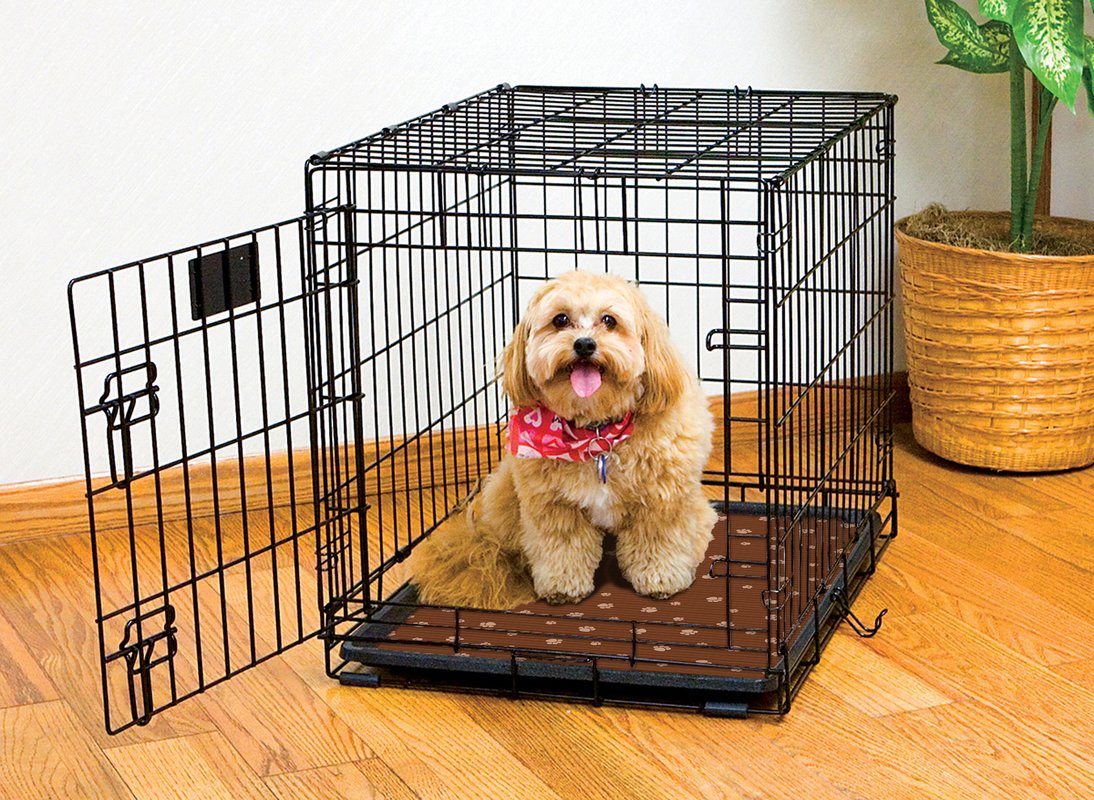
    Crates are often used when potty training a puppy or when owners are away from the home for extended periods. The crate is strictly a management tool to minimize accidents, destructive chewing, post-surgery safeguards or when flying or driving long distances with your dog. No dog should be crated for long periods of time. A generally accepted rule of thumb is for puppies no more than 2 hours and for mature dogs, no more than 4.

    While some dogs will view their crate as a “safe spot” to rest or retreat, it is not always their “den of zen” as we might like to believe. You are fundamentally caging your dogs, regardless of their age or disposition.

    WHEN IT’S TIME TO “GRADUATE” TO MORE SPACE

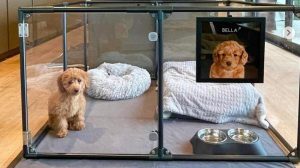
    While crate training is helpful in puppyhood, as your dog learns to “signal” bathroom needs and stops inappropriately chewing things, designing a larger and entertaining play space in the home should be incorporated. Using X-pens or baby gates, section off an area of your home for your dog to comfortably move about along with a few entertainment toys, water, a cuddle bed, slip-proof mats (for hardwood or tiled floors), and preferably near a TV or radio so they can listen to soft, calming music. You can include his crate, with the door left open, in a corner of his play space.

    Adding a Furbo or Petcube Camera to both view and communicate with your dog while you’re away may give both of you added peace of mind. Consider a Bark Potty or Doggie Lawn indoor “potty box” in case you can’t get home in time for proper outdoor relief.

    We love the indoor play pen spaces designed by Clearly Loved Pets for their translucent designs and comfort for both dogs and other small animals @ https://clearlylovedpets.com/

    Clearly Loved Pet Play Pen

    Helpful advice from the Humane Society of the United States:

    “A crate is not a magical solution to common canine behavior. If not used correctly, a dog can feel trapped and frustrated. Never use the crate as a punishment. Your dog will come to fear it and refuse to enter.

    Don’t leave your dog in the crate too long. A dog who’s crated all day and night doesn’t get enough exercise or human interaction and can become depressed or anxious. You may have to change your schedule, hire a pet sitter or take your dog to a daycare facility to reduce the amount of time they spend in their crate each day.

    Crate your dog until they are able to be alone in the house without accidents or destructive habits. You can graduate your dog from a crate to an enclosed area of your home, like your kitchen, before giving them access to the full house when you’re away. The crate should always have a comfortable bed and the door left open when you’re home so your dog can enter it when they need a safe space.

    A crate may be your dog’s den, but just as you would not spend your entire life in one room of your home, your dog should not spend most of their time in their crate.” Tips for successful crate training are found in their article: https://www.humanesociety.org/resources/crate-training-101

    OTHER SITUATIONS FOR CRATE SUCCESS
    • Crates can perform useful functions, including their use as feeding spaces for multi-dog families. Some dogs are aggressively protective of their food (referred to as “resource guarding”). To keep the peace at mealtime, it may be necessary to use crates for this specific purpose.
    • Dogs returning home from surgery require 24/7 supervision to prevent re injury during the healing process. Temporarily crating them may help keep them safe during a short period of recuperation.
    • Some dogs enjoy sleeping in their crates or used as a haven when household activity gets to be too much for them.

    With specific and sparse use, a crate can be a helpful tool for dog owners. As described in this article however, it is not a band aid for owners who are gone all day, aren’t prepared for puppy training, or haven’t explored doggie day care or hiring a pet sitter or dog walker to assist with the care and management of their beloved companions.

    This is where pet sitters can gain clients, by actively marketing to local dog breeders, rescue groups, high rise living communities and veterinarians. Share this article on your websites and social pages to show your professionalism!  Join us for more pet sitter resources @ http://app.comeback2.host/join-us/


    Featured photo attribution: from all-about-bichon-frises.com

  • Unleashing Joy: The Vital Importance of Socializing Dogs

    Unleashing Joy: The Vital Importance of Socializing Dogs

    Socialization and Mental Enrichment is important for every dog of every breed at every age. Breed characteristics also play a role in our engagement with them as owners and pet sitters. Understanding the need of the breed, coupled with positive environmental and social experiences promotes a deeper bond with our companion animals.

    Puppies need early socialization

    Youngsters (puppies up to 3 years of age) have high energy levels and require a little owner ingenuity to keep them entertained, in addition to daily walks and public outings. Younglings left home alone might “act up”, not out of spite yet potentially out of boredom, frustration, loneliness or anxiety.

    We have a few entertainment ideas to share with you and your clients. You can employ these exercises with your furry clients during a home visit or overnight stay. Our Cheap & Easy “Boredom Buster” ideas are employable either indoors or outside.

    Hint: You might also want to share these ideas with your clients to show them how much you care about their pet’s daily enjoyment. As a professional pet sitter, we hope you employ these and other creative techniques to set you apart from the pack and have fun in the process.


    10 Cheap & Easy “Boredom Busters” for Dogs and Cats of all ages!

    (1). Box Puzzles: Just a few empty cardboard boxes stacked on each other or scattered on the floor to satisfy canine (or cat) curiosity. Hide a few treats in the corners and point the way to get their noses started on “scent” work.

    (2). Cereal Box Puzzle: For this one, fill an empty cereal box with treats and tape it shut so your dog has to get creatively destructive to get the prize.

    (3). Treasure Hunt Game: Hide a few Kong-stuffed toys throughout the house for more scent work and mental enrichment. Start with obvious, easy-to-find places then increase the challenge by hiding them behind couches and chairs. Show your dog the treat toy first, put it on the floor and say, “find it!” Once he eats it up, say “good boy”. After the first few times of reinforcing this cue word, hide them (when they’re not looking) and tell them to “find it!” Always reward with “good dog” after a successful hunt.

    (4). Plastic Bowl Hunt Game: Don’t have a Kong? Place a treat under a plastic bowl. See how long it takes for your dog to turn the bowl over to get the treat beneath. Any small plastic bowl will work, such as an empty cottage cheese or medium-sized yogurt container. Show your dog what you are hiding under the bowl, so they know what they’re hunting for.

    (5). Muffin Tin Game: Using a muffin tin tray, hide treats at the bottom of each “hole” then place tennis balls on top of each. Your dog has to move the balls out of the way to find the treat. To vary the game once mastered, only put treats in some of the holes, yet cover all of them with the balls. See how long it takes to figure out that not every hole has a treasure inside.


    (6). Bubble Chase: Using the same bottle of bubble solution and plastic “blower” we had as kids, the same can be done for both dog and cat entertainment. Make sure they only chase the bubbles and don’t try to eat them! Aim high!


    7). T-Shirt or Sock-Wrapped Water Bottle: This is the easiest to make! Tie an old t-shirt or sock over an empty water bottle (remove the lid). The crinkly sound of the bottle sounds just like a squeaker toy yet a lot less expensive.

    (8). Pupsicles: Using an ice-cube tray, fill with chicken broth, freeze and serve outside for a tasty treat. If you have high value treats on hand, drop them into each cube before freezing.

    (9). Easter Egg Hunt: This can be done year-round. Fill colorful (plastic) Easter eggs with high value treats and hide them in the backyard for a special hunt.

    (10). Hula Hoop Jumps: Just a simple Hula Hoop that you hold while you encourage your dog to jump through the hoop. Raise it a notch as he masters this skill. For grins, wrap it around your own waist and see how long you can keep it spinning!

    Have fun and let us know how these techniques worked for you and your furry charges. Join us for more tips and tools of the trade @ http://app.comeback2.host/join-us/

    Have other ideas to share? Like us on FB and IG so we can chitty chat further! Or call our toll-free #: 866-411-AOPP