/home/qiocp3sxg2b3/public_html/app.comeback2.host/wp-content/mu-plugins professional pet sitter – Page 2 – Association of Pet Professionals

Tag: professional pet sitter

  • How to Launch a Pet Business on a Budget

    How to Launch a Pet Business on a Budget

    Launching a pet business is an exciting and potentially rewarding venture, though it might appear challenging, especially with limited startup funds. Despite this, having a small budget should not discourage you from pursuing your dreams in the pet industry. To help you get started, the Association of Pet Professionals has some practical tips on how to establish a pet business with little to no capital, including ways to leverage your passion for pets and tap into a growing market.

    Self-Finance Your Business


    The first thing you should do when starting a business with minimal funds is to bootstrap it. Bootstrapping means you use your own resources, such as your savings or personal credit, to fund your business. This can include working from home (and after consulting with a qualified accountant, deducting home office use as an expense), buying used equipment (if needed) and using free online tools for marketing and communication. By minimizing your expenses, you can stretch your limited resources and make them go a long way.

    Seek Out Grants


    Another option to explore is to apply for grants. There are many organizations that offer funding opportunities for startups, especially those that are innovative or socially impactful. These grants can give you the financial boost you need to get your business off the ground. Be sure to research the requirements and deadlines thoroughly, and tailor your application to the specific grant you’re applying for.

    Raise Capital Through Crowdfunding


    Crowdfunding is a popular way to raise funds for your business if you have an interesting story or idea. You can pitch your product or service on websites and ask for donations or pre-orders in exchange for rewards. Crowdfunding can validate your idea, build a customer base, and create brand awareness.

    Monitor Your Credit Score


    If you plan to apply for a business loan in the future, it’s important to track your credit score so you’ll be eligible for a loan with favorable terms. Your credit score is a key measure of your creditworthiness as lenders use it to determine how much risk they’re taking by lending you money. By maintaining a good credit score, you increase your chances of a loan approval and lower interest rates.

    Find Ways to Network


    Networking is essential for the success of a pet business, especially when starting with limited resources. It’s important to immerse yourself in the pet industry by attending events, joining online pet-focused forums and groups and forming connections with a diverse range of pet professionals. This can include local veterinarians, dog groomers, dog trainers, pet food store owners, rescue groups and other like-minded pet businesses.

    Building relationships with these individuals can offer valuable insights, advice, and cross-referral opportunities. These connections can serve as potential partners, mentors, and clients, playing a key role in the development and prosperity of your pet business.

    Offer Pre-Sales and/or Pre-Orders


    Another effective strategy for securing funds when starting a pet business is to implement pre-sales or pre-orders. This involves selling your pet-related products or services before they are officially launched, utilizing the proceeds to support their development and production. Offering pre-sales or pre-orders in the pet industry can also be an invaluable tool for assessing market demand and collecting feedback from early customers. This insight can be crucial in refining your pet products or services and shaping your marketing strategies to cater to pet owners’ needs.

    Create Engaging and Informative Content


    Creating engaging and informative content is a great low-cost marketing strategy and an excellent way to help spread the word about your business. This includes starting a blog, creating a useful brochure, writing guest posts for other websites, creating videos or infographics, and sharing them on social media sites.

    In addition to the dominant sites such as Facebook, Instagram and Twitter, join your local Nextdoor and also consider Alignable, a growing community for entrepreneurs: https://www.alignable.com/ Seek out pet-centric groups specifically on these sites and join. To be effective, you need to participate with a positive presence.

    You should also research content marketing trends and search engine optimization to help you take your marketing game to the next level. By providing value to your audience and showcasing your expertise, you can attract leads and build trust with potential customers.

    Create a Website to Attract Clients


    Creating an online presence for your pet business through a website is a vital step toward enhancing your credibility and visibility. It serves as an efficient platform to showcase your services, pricing, policies and effectively advertising your business to a broader audience. Moreover, the role of Search Engine Optimization (SEO) cannot be overstated; it is a crucial component in driving website traffic and ensuring your site ranks higher in search results, thereby attracting more potential customers. It’s important to note that a successful website need not be elaborate or complex. A simple design with a few key landing pages, complemented by high-quality images, can make a significant impact in capturing the interest of your target audience.

    Starting a pet business with minimal funds can be tough, but it’s achievable with the right mindset and approach. Embracing creativity, resourcefulness, and determination are essential in navigating financial limitations. Success follows hard work and determination! Utilize and monitor your credit, develop engaging content for pet lovers and clients, create an SEO-friendly website, network and turn your passion for pets into a thriving business.

    This article was provided by our guest blogger Penny Martin of fureverfriend.info. 

    For additional marketing tips and a deep dive to help you with next steps, join us as a member! http://app.comeback2.host/join-us/

    A very small investment for bigger growth in your pet sitting business! Only $10/month!

    attribution: Samson Katt on pexels
  • 8 Healthy Herbs for Dogs

    8 Healthy Herbs for Dogs


    Whether you cook or use herbs for healing and well-being, herbs contribute substantially to your dog’s overall well-being. The benefits of herbs are both dietary and therapeutic, and we can share the benefits of these plants with our dogs.

    A dog’s digestive health can be improved with herbs and spices because they’re packed with antioxidants and anti-inflammatory compounds. Let’s discuss how herbs are beneficial for your dog and what different herbs you can include in your dog’s diet that can improve his health.

    How Can Herbs and Spices Benefit Your Dog?

    Each of our dog recipes includes fresh herbs, as well as a variety of other spices, herbs, and whole foods, such as chia seeds, kelp, and turmeric.

    There are plenty of polyphenols and antioxidants in herbs and spices. As a powerful antioxidant, green chlorophyll in herbs aids in the removal of toxins from both the internal and external body. Furthermore, they are also helpful in alkalizing the body as well as being beneficial medicinally.

    In addition to fiber, protein, vitamins, and minerals, herbs can also be added to your pet’s food. There is as much calcium in a mere two teaspoons of dried basil as there is in a full glass of milk.

    Adding herbs to your dog’s diet can also bring about a variety of flavors and tastes. The key to achieving optimal health and keeping your dog happy and interested in their food is diversity of flavor and taste preferences.

    8 Healthy Herbs for Your Dogs

    Spices and herbs that are nutrient-rich can fulfill a multitude of functions. Your dog’s digestive system will be enhanced, their mood elevated, and even their breath will be improved with these herbs and spices.

    1.     Aloe Vera

    Aloe Vera is one of the best herbs for a dog. As a key antioxidant that supports the immune system of your dog, it combines anti-inflammatory and antibacterial properties. Aloe Vera has the following benefits:

    • Strengthens the immune system
    • It promotes the healing process in the body

    The best way to administer it to your dog: Simply apply it to your dog’s skin to soothe and heal any rashes and irritations. Breeds such as English Bulldogs tend to develop skin diseases such as muzzle acne, and dermatitis due to their skin folding so applying aloe vera to their skin reduces the severity of the skin disease.

    2.     Basil

    As with humans, dogs can also benefit from the health-giving properties of basil, which is well-known as an antioxidant. Other properties of basil include antiviral, antibacterial, and anti-inflammatory properties. Some have even stated that it can alleviate a dog’s arthritis pain in the long-term. Basil has the following benefits:

    • A fun and mood-lifting experience
    • Prevents certain diseases from occurring
    • Enhances health and well-being

    The best way to administer it to your dog is by adding it to fresh or dry dog food regularly.

    3.     Cinnamon

    Cinnamon is a major favorite among dogs. Despite long-standing belief that it is harmful for them, recent research shows that it is not harmful at all when properly diluted and given in small quantities rather than bulk. We are talking about cinnamon spice not the oil be careful on what you give to your dog.

    Putting a quarter teaspoon of the powder in your dog’s water is more than enough, especially if your dog is a small breed. Since cinnamon contains a lot of antioxidants, it is beneficial to the general health of an individual. Cinnamon has the following benefits:

    • It is effective in preventing bad breath
    • Taking this supplement may help prevent diabetes and sepsis

    The best way to administer it to your dog: It is recommended to mix cinnamon powder into your pet’s food in order to gain its benefits.

    4.     Ginger

    It is time to introduce ginger root. Your dog will benefit from the root’s antibacterial and anti-inflammatory properties, and digestive health becomes a key consideration. The root of this plant aids in the digestion of pet food, which enhances a healthy digestive system. Ginger has the following benefits:

    • Increasing the circulation of blood
    • Enhances digestive health
    • Assists in reducing nausea
    • Aids in combating motion sickness

    The best way to administer it to your dog: To give your dog ginger root you can add finely chopped, ground, or dried ginger root.

    5.     Parsley

    You should know that parsley is not just useful as a flavoring for pasta. Parsley is also a natural herb that contains many essential nutrients your dog needs. It contains flavonoids, antioxidants, and vitamins. The plant can reduce stomach pain as well as refresh breath. Parsley has the following benefits:

    • Improves the functioning of organs
    • It helps to improve the breath of dogs
    • Gets rid of toxins

    The best way to administer it to your dog: You should administer fresh parsley to your dog for maximum benefits, but dried parsley is also effective.

    6.     Rosemary

    The leaves of the rosemary plant are rich in vitamin B6, iron, and calcium. Dogs and humans alike benefit from the inclusion of this herb in a balanced diet. This plant is also believed to have antioxidant properties, which may make it beneficial to the brain. Rosemary has the following benefits:

    • Potentially prevents the onset of certain diseases
    • Enhances heart health by promoting antioxidant activity

    The best way to administer it to your dog: Provide your dog with either fresh or dried rosemary in their daily life, and they will greatly benefit from it.

    7.     Turmeric

    As an anti-inflammatory spice, turmeric is able to provide your dog with many health benefits. The spice contains curcumin, a superpower antioxidant and antiviral ingredient, which boosts your dog’s immunity. Turmeric has the following benefits:

    • Boosts the immune system and metabolism at the same time
    • Prevents the spread of infection
    • Enhances the healing process of wounds

    The best way to administer it to your dog:  For dogs, turmeric is administered by feeding them 5-ten mg per pound of body weight per day as normal dog food to aid in the healing process.

    8.     Coriander

    The taste of coriander is very appealing to most dogs. Therefore, it is a positive aspect that it has lots of health benefits. In addition to its antibacterial properties, coriander also boasts antibiotic, antifungal, antioxidant, and anti-cancer properties. Additionally, coriander has the ability to enhance calcium absorption while stabilizing blood sugar levels. Coriander has the following benefits:

    • It possesses antibacterial properties
    • Coriander provides antioxidants, vitamin A, and vitamin K, among other nutrients, that aid in preventing free radical damage.

    The best way to administer it to your dog: You can sprinkle a pinch of ground coriander or chopped leaves on their food when you feed them. These pets are also safe to be fed seeds and coriander roots, of course.

    Takeaway – Healthy Herbs for Dogs

    The listed 8 herbs are scientifically proven to be very beneficial for dogs. Although there are many other herbs as well, research them thoroughly before adding them to your dog’s diet.

    The use of certain herbs is not recommended for dogs that have serious health issues or are pregnant. In the event your pet is taking medication, you should ask your veterinarian if herbal supplements will reduce the effect of the medication.

    Editor’s note: As always, consult with your veterinarian before changing your dog’s diet.  Additionally, only a teeny, tiny amount of each herb should be considered.  This article is well sourced with links to additional information for your continued research and possible consideration of “spicing up” your dog’s diet.

    This article was provided by Arslan Hassan with our thanks for a well-sourced review of healthy herbs for dogs. Arslan Hassan is an experienced content writer with a passion for writing, designing, and anything tech related. guest blogger Arslan Hassan

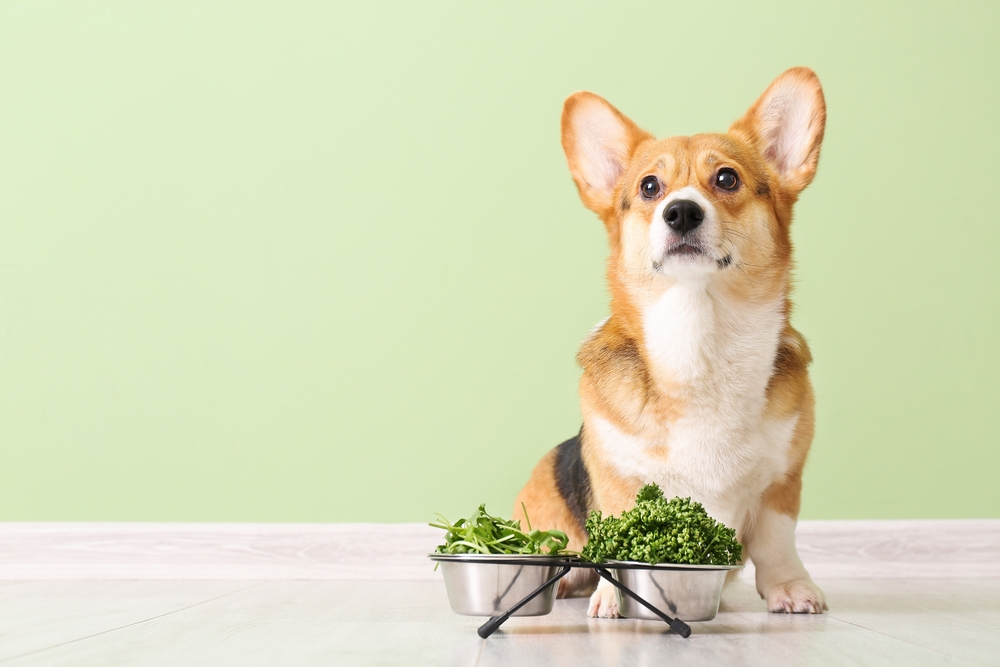
    Image “cute-corgi-dog-herbs-vegetables-near-20 34320018” also provided by Arslan via shutterstock and purchased license to use.


  • A Dog’s New Year’s Resolutions

    A Dog’s New Year’s Resolutions


    As you consider your goals for the New Year, take a minute to consider what your dog might want from you in 2024. As you fill in the calendar of a new year, please include your dog, or family of pets you care for, regarding their needs and how to include them in your daily life.

     A Dog’s New Year Resolution List might look something like this:

    (1). Take me for daily walks.  I adore the outdoors and opportunity to use my superpower sense of smell to “process” the world. It gives me great pleasure to diagnose the scents around the ground. Please don’t pull me along because you’re in a hurry.  Let me stop and sniff the bushes, light poles and fire hydrants that command my nosy attention. It may be the only activity for me today, so let’s make it count.

    (2). If we can’t go for a walk, can we play an indoor game instead? I like spending time with you, so let’s play hide and seek, toss some balls or squeaky toys around or teach me a new trick. New toys, entertainment puzzles or a treat-stuffed Kong will help keep me occupied when you’re not home and I’m alone.

    I would love it if I could go with you when you run errands.  I can’t stay in the car alone, but I hear Home Depot and many other dog-friendly stores open their doors to 4-legged patrons, so let me join you on those jaunts.

    (3). If you notice that I have bad breath, I may need a teeth cleaning. Hard chew bones might help detract the plaque and keep me gleefully occupied but brushing my teeth daily will help keep my canines clean and avoid losing them later in my life.

    (4). I don’t like going to the doctor’s office any more than you do yet monitoring my health with annual (or semi-annual) well exams should be on our calendar this year, especially if I’m 5 or older.  I’m aging faster than you are, so periodic check-ups, not just routine vaccinations, will allow me to enjoy your company longer if something exists that needs preemptive attention.

    (5). Please keep my coat clean and debris free.  Mats are uncomfortable and over-grown toenails make it harder for me to walk.  When you brush me, it’s like a massage!  Let’s do that often.

    (6). Make sure I have proper identification. I might discover accidental outdoor freedom and don’t want to get lost and not find my way home to you.

    (7). I appreciate that you let me sleep indoors and have provided a soft bed to call my own (sometimes in yours!). If you must travel without me, please choose a cage-free dog boarding option or a loving pet sitter to care for me in our home.

    (8). I need routine!  If something is upsetting you, I will comfort you.  If we both get caught up in a life-changing moment, please remember that I need to be comforted to.

    (9). Please feed me the highest quality dog food you can afford.  I appreciate that budget is a concern, yet that big feed bag with mystery ingredients isn’t the best buy for my long-term health. As I mature, I need dietary changes to coincide with my growing and changing needs.  I’ll do my best to enjoy the same food every day, yet variety is the spice of life (so I’ve heard).

    (10). If you rescued me, please know that I am truly grateful.  I may need some time to get past my past hurt.  Be patient and know that I want to attach again.  Do not detach from me during this transitional period nor give up on me, as others might have done before you and I met.

    We all need to feel wanted, protected and loved. Our human-animal bond is not only reciprocal in love and adoration, yet one of the best relationships we can have in its most simplistic form.

    Dogs are authentic and without pretense. To quote Josh Billings: “A dog is the only thing on earth that loves you more than he loves himself.”

    Resolve to make each day the best it can be for you and them.

    Hugs,

    Your Pet Pros at AoPP

    If your New Year resolution is to grow your pet sitting business, JOIN US as a member so we can help you achieve new heights! http://app.comeback2.host/join-us/

    photo attribution: Cole Keister on unsplash

  • Does your Dog Eat your Socks & Shoes?

    Does your Dog Eat your Socks & Shoes?

    why dogs eat socks
    You may have experienced this unique phenomenon when you turn around and your dog (or furry guest) has your underwear in his mouth! What’s the first thing you do? Laugh or begin the chase (which is always fun for a dog to play “keep away”)?

    Either way, they are getting a reaction out of you. So, if it isn’t an attention-getting maneuver, what else may be driving your dog to your socks, shoes and private garments? We know that a dog’s sense of smell is off the charts (compared to us mere mortals). Any smell of a particular object is a science experiment for a dog to perform. Your personal scent may be comforting to him and let’s face it, shoes, socks and other clothing items may be more pungent than we care to admit.

    Some dogs may consume non-food items due to a medical condition known as “PICA”.

    Pica may promote the digestion of not only fabric items, but also metal, plastic, cloth, garbage, rocks, paper, dirt, and feces*. NOTE: to be classified as PICA, the dog needs to EAT the item (not just chew on it).

    *The consumption of feces is a condition called “coprophagia” and more common with puppies until they mature. Nursing female dogs will eat their puppy’s feces after expulsion.

    PICA is most notably a compulsive disorder, yet it can also be the result of poor nutrition, extreme hunger or an illness.

    Boredom, anxiety and stress will always be a factor in a dog’s unwanted behavior. A dog with high energy that is not exercised enough may resort to destructive chewing for release. Some medications (steroids and anti-seizure) may enhance a dog’s appetite to insatiable levels that those socks might satisfy in a pinch.

    Let’s also remember that puppies will chew on anything as they explore their new world once weaned.  Every puppy owner expects to lose a shoe, furniture leg, a few rocks, etc. while rearing their young charge.  Fortunately, with diligence and extreme oversight, this doesn’t last long!

    If you notice abnormalities after ingestion of any foreign matter, immediately seek advice and physical diagnostics with a veterinarian.  A complete physical exam, x-rays, fecal and urine analysis, and lab work will be needed.

    Other PICA symptoms can include:
    • Decreased appetite or anorexia.
    • Pawing at the mouth/face
    • Gagging or retching
    • Bloated stomach
    • Straining to launch a BM)
    • Dark, black tarry stool
    • Excessive drooling
    • Coughing
    • Blue/purple mucous in the mouth
    • Visible distress or abnormal behavior

    A professional pet sitter and resolute dog owner will always be hyper aware of a change in their dog’s behavior while keeping a watchful eye on them!

    For more information on PICA, read this great article by Barri J. Morrison, DVM for PetMed (4/3/23):  https://www.petmd.com/dog/conditions/behavioral/pica-dogs

    Another great source for further information on this subject: https://dogscatspets.org/dogs/dog-ate-sock/my-dog-ate-a-sock-symptoms-will-he-be-okay-and-what-to-do/

    We have a ton of resources for our MEMBERS to devour! Join us as a member @ http://app.comeback2.host/join-us/

    Photo attribution (dog eating a sock): dogscatspets.org

    Photo of Labrador munching on underwear:  actual client


  • What Breed is that Dog?

    What Breed is that Dog?


    While the AKC updates the growing and diverse canine community of unique breed mixes, (200+ registered breeds to date), has anyone else noticed there is a bourgeoning group of “designer dogs” that are now the rage?

    Revered for its intelligence, training ease and hypo-allergenic benefits, the Poodle is now cross bred to create the Labradoodle, Goldendoodle, Sheep-A-Doo, Husky-Doo, Pom-Poo, Schnoodle and the (older) lines of Cock-A-Poo, Malti-Poo, and Yorkie-Poo.

    Then we have Cheeks (Chihuahua-Pekinese), Puggles (Pug-Beagle), Pom-Chi’s (Pomeranian- Chihuahua), Shorkies (Shih Tzu-Yorkie) and Chiweenie’s (Chihuahua/Dachshund) just to name a few. These categories of 2 breeds that have been specifically mated are known as “cross breeds”. That is, two separate purebreds went on a date and had puppies. 🙂

    As a pet pro, it’s always helpful to look up a specific breed that you will be caring for, to get a hint as to the dog’s disposition and general behavioral tendencies. Be careful not to judge a book by its cover, however! An advance meet and greet is always a must.

    There’s much to be said about wanting a specific breed for characteristics that match the intended owner’s desires and lifestyle; by combining the best traits of each.

    Yet…how many shelter pets have you met, owned or cared for that was a mixed bag of two or more breeds that were some of the best dogs ever?

    Current estimates suggest that 53% of household dogs today are mixed breeds[i], so let’s give it up for the mutt!

    According to Dogtime.com: “Choosing a mutt is a lot like dating: you may meet a few dogs that seem interesting, and then fall in love with one for reasons that make sense only to you. (Choosing a purebred, on the other hand, is a little like saying, “I only date blondes.” You can still find a love match, but you may end up overlooking someone who’s even more perfect for you.) The truth is heritage matters very little. You’ll get along well with your dog because you both love to run, for instance, not because a piece of paper says he comes from a long line of dogs originating on the coast of Croatia.”

    Whether you own or care for a traditional purebred, designer- breed or home-grown mutt, we celebrate the fact that you wrap your arms around all dogs and wish you all the joy and happiness that dogs provide.

    Hugs from your Pet Pros at AoPP!

    Photo by Jenny Marvin on unsplash

    [i]Stanley Coren, PhD, DSc, FRSC, Canine Corner for Psychology Today (6/28/11)

  • The Importance of Socializing Dogs

    The Importance of Socializing Dogs

    Please socialize your dogs and encourage your clients in this important aspect of dog ownership. Socialization should start early (in puppyhood) and continue well into the dog’s adult years.

    Dogs yearn to learn the world, relying on their innate abilities and senses, and benefit greatly by interaction in a healthy and positive way. Early and consistent introduction to a variety of landscapes, including people, kids, other dogs and animals in public places will go a long way to developing their sense of balance and well-being…and contentment for both owner and companion. Socializing dogs with other dogs

    Ideally, pet owners want the confidence that their dog has the ability to properly navigate new environments, that doesn’t always include them! Such as when they leave for work or take a vacation that doesn’t include the dog.

    Too often, we see dogs that have become fearful and (some) react aggressively due to isolation at home and improper socialization.

    Dogs that are isolated develop many problems, including aggression, timidity, or unusual shyness. They lack the confidence when around new people or situations and will either cower, pant excessively, drool, lower their tails, shake all over, attempt to escape the situation and in some cases, growl and/or bite (out of fear).

    Think about the consequences of having to care for a dog who acts this way!

    If clients are planning to travel and will be gone for several days or weeks, how will the dog react in that situation? Cage-free boarding or move-in care are great options, yet is the dog prepared to be separated if the client is his only world experience?

    Consider the professional opinions of Daniel Estep, Ph.D. and Suzanne Hetts, Ph.D., Certified Animal Behaviorists and founders of Animal Behavior Associates, Inc. https://animalbehaviorassociates.com/

    “Dogs have a sensitive period for socialization between the ages of 3 and 12 weeks. This means that pleasant exposures to people, other dogs and other animals during this time will have long-lasting influences on the sociability of your dog. Well socialized dogs tend to be friendlier and less fearful of the kinds of individuals they were socialized to.

    Furthermore, don’t underestimate how important it is to continue to socialize your dog well into adulthood. We’ve seen quite a few dogs that seem to have been well socialized early in life, were friendly and accepting of people and other dogs and then began to react with threats or aggression during social encounters. These dogs had no traumatic or frightening experiences but became fearful and/or aggressive later, usually beginning around 8 months to 2 years of age.”

    Further support of the importance of socialization is cited by Michele Welton, author and dog trainer, in “Socializing your Puppy or Adult Dog to Get Along with the World”: *

    “Un-socialized dogs often develop fears and fetishes. Fears and stresses are bad for your dog’s health. Socialization takes away those fears and stresses. You can socialize your dog to be calm about what is happening in the world around him”.

    In the book “How to Be Your Dog’s Best Friend”, by the authors of “The Art of Raising a Puppy”, the Monks of New Skete: (Chapter 19): “Your Dog May be Lonely”:

    “Dogs are social animals, and they need to be included in a pack. Since we have deprived them of their normal pack – animals of their own species – and the freedom to set up social structures of their own, we must include them in our pack and help them adapt to human social structures. Many pet owners perceive their charges to be incapable of enjoying human company. The tendency is to isolate dogs rather than include them.”

    So, what can a dog owner do to socialize their dog?


    • Positive socialization can include dog obedience or agility classes, daily walks and local park outings, visiting dog-friendly stores and restaurant patios, taking them in the car and visiting friends and family (preferably those who also own dogs and have an open-door policy to other pets).
    • Enroll in local doggie daycare and/or dog training camps that offer daytime play and classes (if you don’t).
    • Encourage your clients to invite people and their pets to their home. Start with one person and one dog at a time. When they arrive, have them offer a treat and always talk in a calm and happy tone.

    PET PRO TIP: host a puppy party in your home or at a local park.  Keep it short (2 hours) and include entertainment activities with lots of treats!

    • Running errands with their dog is encouraged. This can include a latte at Starbucks or a stroll through Home Depot aisles. Lots of dogs in training are brought to Home Depot for the simulation and stimulation!
    • Go to a local pet store and let the dog pick out a toy.
    • Take a hike together! You will undoubtedly encounter other dogs along the way, yet the outdoor experience and new sights and smells will be over-the-top fun for the dog.

    PET PRO TIP: all of these activities can be added to your service menu as valuable add-ons for both you and your clients.  Field trips, hikes or Home Depot excursions can be fun for you too!

    You can also partner with reputable doggie day-care operators to trade referrals.  The bigger your network, the more you can position yourself as a trusted resource.

    Every dog, regardless of breed or age, can be a party animal. It’s up to the owner to unleash it, with your professional encouragement and services.

    Hugs and party on! Join us for more educational tips and tools @ http://app.comeback2.host/join-us/

    Your Pet Pro Team @ AoPP

    *The complete article by Michele Welton can be read @ http://www.yourpurebredpuppy.com/training/articles/dog-socializing.html.

    If you wish to view our video of a “puppy party in action”, use the “Contact Us” form and we’ll send you the link! http://app.comeback2.host/contact-us/


  • Halloween is coming! Are you Boo-Pared?

    Halloween is coming! Are you Boo-Pared?


    As Halloween approaches and you prepare for the thrill of trick-or-treat, be mindful of a dog or cat’s reaction to the hubris. Dogs and cats may be frightened by costumes. If you are pet sitting on Halloween, be careful about donning personal costumes and while walking among the parade of dressed-up revelers.

    Other Halloween Safety Precautions should include:

    Keep Candy Out of Nose Reach

    While it’s a scream for trick-or-treaters to fill their buckets with confections, consumption of chocolate (and potentially xylitol) is toxic to dogs and cats. Wrapped candy, if eaten, is another hazard and possible intestinal obstruction.

    Costumes for Dogs and Cats   

    how to be a pet sitter

    If you like to dress your dogs for Halloween, choose a costume that allows plenty of breathing room. Avoid costume adornments that can be chewed off, choked on or swallowed. A reflective costume is also a good idea.

    Decorations

    Keep a watchful eye on candles burning inside pumpkins. Curious noses might get burned if they get too close, or worse, knock them over and start a fire. Best practice is to buy the LED-or battery style candles to minimize risk yet still have a glowing effect.

    Keep Pets Safe and Indoors

    Keep dogs and cats inside and preferably in a quiet room, away from the front door. The sound of the doorbell ringing will promote barking and the pack instinct to protect the family from strangers…especially if they are dressed in weird costumes and making strange (spooky) noises! Make sure all dogs in your care have a collar and I.D. tag with current information; especially if they aren’t micro-chipped. Some dogs will be sufficiently scared and attempt to escape or slip out the door during the commotion.

    Bringing Fido Along

    If you take a dog with you while trick-or-treating, stay on the sidewalks or driveways to avoid what might jump out at them at the door. Many homeowners like to dress in costume and spook the kids when the door is opened. Those sincere intentions may not be well received by a dog.

    Professional pet sitters are always focused on pet safety. Make it a Happy & Safe Howl-aween!

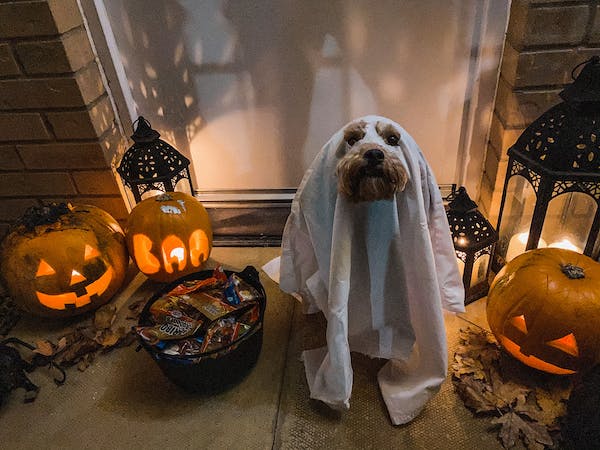
     photo attributions: dog in ghost costume by Matt Hill on pexels and dog in witch costume from private client, owner of “Roxy”


  • Do These Genes Make Me Look Fat?

    Do These Genes Make Me Look Fat?

    While some dog breeds are more prone to becoming overweight or obese, nearly half of the nation’s dogs and cats suffer some level of tipping the scales beyond their breed standards.

    The Association for Pet Obesity Prevention (APOP) reports that 59% of cats and 54% of dogs suffer from excess weight. Dr. Jerry Klein, AKC chief veterinary officer states: “Obesity in dogs is a widespread problem in the U.S. today, yet it is one of the most preventable problems.”

    Pet sitters are typically the “first responders” to notice this growing problem. Knowing what to look for and politely educating the owners is a best practice to employ.  Be polite and gentle in your suggestions yet having a few “fat facts” in your tool belt will help.

    While many factors may contribute to excess pounds, such as Cushing’s Disease or Hypothyroidism, obese dogs tend to be older females, dogs between the ages of 5-12 and those who aren’t exercised enough to offset their daily food and caloric consumption.

    Pet Pro Tip: This is a great promotional message for your dog walking services or to suggest more frequent walks for the heavier dogs in your client base.

    The long-term health problems from overweight issues include:
    • High blood pressure
    • Osteoarthritis
    • Heart disease
    • Diabetes
    • Respiratory issues
    • Orthopedic problems
    • Some forms of cancer
    • Shorter life spans

    How do you know if a dog needs to shed a few pounds?  When viewing them from above, he/she should have an hourglass shape.  From the side, ribs should be slightly visible with the abdomen tucked in and not hanging down.

    It’s important for dog owners to develop a health plan to keep their “hefty” dogs toned and fit.

    First starters should include a thorough physical exam with blood work, followed by a consultation with the family veterinarian to determine how to effectively reduce calories and increase exercise in a safe and methodical way.

    A comprehensive weight management program might include a diet change, fewer treats, smaller portions, or a complete change of food brand. All dogs require high-quality protein, especially seniors. Treats shouldn’t exceed 10% of daily caloric intake and can include carrots, green beans, apple slices (no skin or seeds), watermelon (no seeds), blueberries and other quality alternatives to Milk Bones (basically potato chips for dogs).

    Daily exercise is important for all dogs of all breeds and ages. Daily walks twice a day is ideal.

    “Most veterinary nutritionists recommend a consistent diet in order to ensure a balanced meal,” says Dr. Alvarez. “The most important nutrient for senior dogs is high-quality protein, due to a higher need for protein levels.” No matter the dog’s age, exercise is another important factor in keeping him/her healthy and fit. It’s also good for a dog’s mental state – a tired dog is less likely to get into mischief.

    Even older dogs should go out at least twice a day for mental and physical stimulation. “Dogs with heart or respiratory disorders can be taken out for shorter periods of time and during the cooler parts of the day,” says Dr. Alvarez. Some senior dogs can benefit from low-impact exercise such as swimming.

    Similarly, this weighty problem also applies to cats.  It’s estimated that a cat is considered overweigh” when they are 10-20% above their ideal body weight and OBESE when more than 20% over their ideal weight.  So what’s ideal?

    The ideal weight for the average healthy cat is 8-12 pounds. There are breed variations of course that detour from this general guideline.  A Maine Coon cat, for example, has a larger body frame so may have a healthy weight of 20 lbs as opposed to an Abyssinia.  They are petite in nature, so 6-8 lbs would be considered normal.

    A cat’s fluffy coat can make it difficult to assess their body weight, yet a bird’s eye view should show an hourglass shape with the abdomen tucking in behind the rib cage.  A veterinarian is the ultimate weight assessment professional.

    Not only does a “fat cat” risk shortened lifespan, but also an increased likelihood of developing other diseases such as:

    • Diabetes mellitus
    • Cancer
    • Heart disease and hypertension
    • Osteoarthritis and faster joint degeneration
    • Urinary bladder stones
    • Anesthetic complications
    • Skin and coat problems
    • Arthritis

    Feline obesity is a common disease and affects approximately 63% of cats. Diet and feeding strategies are therefore very important for proper weight management.

    Feeding a diet of mostly dry food may contribute more to weight gain vs. canned food. Feeding small, frequent meals or free feeding may avoid rapid food consumption and ‘begging’. Treats tend to be higher in fat and calories so should be kept to a bare-bones minimum.

    Keep this in mind and spread awareness among your pet sitting staff and client community about this important health aspect for dogs and cats.

    Hugs,

    Your Pet Pro Team at AoPP

    Photo by Flouffy on Unsplash

    Resources:

    If you’re curious about weight standards for individual dog breeds, check out this quick guide from AKC: Breed Weight Chart – American Kennel Club (akc.org)

    Better Pet Fitness in Four Steps — Association for Pet Obesity Prevention

    https://www.petmd.com/cat/conditions/digestive/c_ct_obesity

    For additional Pet Management Guides, Join us to gain access to a ton of resources in our Library of Content for Members Only: http://app.comeback2.host/join-us/


  • A Guide to Nomad Life with Your Pet

    A Guide to Nomad Life with Your Pet

    The call of the open road and the freedom of remote work can be intoxicating. Adding a pet to this mix adds both joy and complexity to the equation. This article aims to offer a detailed guide to help you and your furry friend step confidently into the nomadic lifestyle without missing a beat. In this article for the Association of Pet Professionals, we will navigate through various steps to ensure your pet’s comfort and well-being while you work remotely.

    Laying the Technological Groundwork

    Before you hit the road, make sure you’re proficient in the technology that will sustain your remote work. This goes beyond having a reliable laptop and smartphone. Invest in a high-quality portable Wi-Fi hotspot, get comfortable with collaboration software like Slack or Asana, and familiarize yourself with video conferencing tools like Zoom. Make these technologies an extension of your professional self so that you can work smoothly from anywhere.

    Digitizing Life’s Essentials

    Today, mobile scanning apps offer a seamless way to digitize essential documents, including your pet’s medical records and identification. Apps like Evernote and Google Drive offer scanning capabilities, allowing you to keep important papers at your fingertips. This step is crucial for a stress-free digital nomad life, ensuring that you can access vital information anywhere, anytime.

    Making Furry Friends Feel at Home

    Finding a place to stay that welcomes pets is crucial. Websites like Airbnb offer filters for pet-friendly accommodations, but it’s always good to double-check with hosts. You can also check resources like BringFido for recommendations. In case you have to attend a long meeting or be away from your accommodation, consider hiring a local pet sitter to keep your pet company.

    Keeping the Necessities Close

    Pets need stability, even when your lifestyle is anything but. Always carry a travel kit that includes pet food, fresh water, medication, and comfort items like a favorite toy. Take time to read reviews before buying any pet care products to ensure their quality and safety. Consider investing in a portable water dish and a collapsible crate to make your pet’s travel experience as comfortable as possible.

    Legalities and Locale-Specific Guidelines

    Different countries and even different states within the U.S. have unique laws regarding pet ownership and travel. Take the time to research these laws. Websites like the USDA Animal and Plant Health Inspection Service provide guidelines on pet travel both within and outside the U.S. Knowing leash laws and pet-friendly parks can make your experience more enjoyable and keep you on the right side of the law.

    Health Check and Identification

    Before embarking on your journey, a visit to the vet is essential to update all vaccinations and consider microchipping your pet. These precautions are not just legal requirements in many jurisdictions but also crucial measures for your pet’s safety. Being proactive in this area can provide peace of mind and ease potential complications during your travels.

    Setting Up a Legal Business Framework

    If you’re committed to embracing the digital nomad lifestyle long-term, establishing a limited liability company (LLC) for your freelance or remote work is a prudent step. This legal structure provides an added layer of personal asset protection while offering a flexible framework for managing business expenses and taxes. With a formation company’s help, the LLC setup can simplify your professional life, making it easier to focus on your work and travels without worrying about legal intricacies.

    Healthcare Away from Home

    Before setting off, research the veterinary services available in your chosen destination. There are many different apps available that can be incredibly useful for locating vet services while on the go. Always have a plan B in place, should you need urgent medical care for your pet.

    Living the digital nomad life with your pet is rewarding but requires detailed planning for both of you. From mastering tech tools and understanding local laws to business structure and healthcare options, preparation is key. By organizing these aspects, you set the stage for a fulfilling and harmonious journey with your four-legged companion.

    For a professional organization to help you hone your skills and improve your business, join the http://app.comeback2.host/join-us/ today!

    This article was provided by Cindy Aldridge, the creator of OurDogFriends.org, a website advocating for the love and ownership of dogs. She believes that dogs truly are our best friends and wants to see fewer dogs in shelters and more in loving homes.

    I think all of us at the Association of Pet Professionals, members included, couldn’t agree more with Cindy’s philosophy and goals!  Thank you, Cindy, for your engaging article with a fresh perspective to working AND traveling with pets!

    photo credit: Kampus Production on pexels


  • Potty Training a Puppy

    Potty Training a Puppy

    The word “puppy” has no clear origin yet likely to have come from the French word poupee meaning “doll” or “toy.”  Poupee is pronounced “poo-pay.” And there’s hidden meaning there! Most puppy owners are poo-payed at the end of the day, chasing their young charges around constantly, especially during early house-training months.

    House training a puppy takes determination and vigilance. Most puppies will achieve consistent outdoor performance by 6 months, yet some may take up to a year.


    First and foremost is to keep the puppy confined. A crate, playpen, or divided area (preferably with tiled floors) is easier for housekeeping because accidents will happen. Lean into that and do NOT punish the pup! If you have missed the classic signs of circling and sniffing the carpet, gasp loudly and exhale with an “ah ah ah”! which may cause a muscle contraction in your puppy long enough to get them outside quickly.

    Young puppies have no control over their bladder muscles. A good rule of thumb for the time a puppy can hold their water is their age +1. So, a 2-month-old puppy = 2 + 1 or 3 hours. In the early months, every 1-2 hours is best. Getting out 10-15 minutes after each meal is necessary.

    Maintaining consistency with lots of praise and treats will help both of you as the puppy matures and you catch a few more Z’s in the ensuing months. Using the same area for potty breaks helps. You can also use a soiled piece of cloth (anything with its urine smell on it) to show your pup where to mark his spot. Be sure to throw a party after every potty, employing lots of praise with clapping hands and a happy voice.

    If your puppy is food motivated, high-value treats dispensed immediately after elimination is another way to reward a successful potty moment.

    Decide what your “cue” word is going to be every time you take your puppy out. “Go potty” is the most common. It is hard to find a cute, sexy way to describe it, yet anything goes provided it is used every time and is different from other commands you will be teaching your young dog.

    If you live in a high-rise community or challenged by inclement weather, you may consider pee pad training. This is often tricky, as you are providing two different options for your pup.  Ideally, you want them to hold it until you can get them outside.

    If you follow strict and consistent potty protocols, you will find that your time and dedication will pay off quickly and with big dividends!

    Hugs,

    Your Pet Pros @ AoPP

    House training a puppy for pet sitters

    photo attributions: Winking puppy by Dominka Roseclay on pexels. com

    (featured image of 3 Golden puppies purchased on istock.com)