/home/qiocp3sxg2b3/public_html/app.comeback2.host/wp-content/mu-plugins Pet Facts – Association of Pet Professionals

Category: Pet Facts

  • Picking the Right Dog Bone

    Picking the Right Dog Bone

    This article shares insight to choosing the right bone for dogs.  As a professional pet sitter, it’s important to remember when caring for multiple dogs in a household, to feed bones and chews in locked crates with significant distance between them – or in completely separate rooms while they enjoy a good chew. Dogs will naturally fight over a bone, just as they did in the wild.

    It is never a good idea to take the bone away. It is best to leave the bone with the dog and when appropriate, provide an alternative toy or treat.

    Chew bones are engaging for all dogs who love to chew and allows them to release their “inner wolf” when it comes to this instinctive behavior. Think about it…in the wild, every bit of the kill is devoured including the meat left on the bones. Once satiated, the bone is buried to be enjoyed later. Does your dog bury his bones? Now you know why!

    Domesticated dogs rely on us to provide every meal. Serving appropriate chew bones helps fulfill their inner “wild”, while also keeping teeth clean by reducing plaque & tartar build up. Especially important for puppies, chew bones can be a great distraction when given in exchange for your favorite shoe they’ve found for their teething pleasure.


    KNOW WHICH BONE TO PICK


    Cooked bones are NEVER a good idea, as vets routinely see dogs that require surgery to remove bone shards and splinters that can cause intestinal blockage. While you may not intentionally share cooked chicken or turkey bones with your dogs, many will scavenge your garbage to find them. Always dispose of properly to avoid unintentional intestinal blockages.

    RAW RECREATIONAL BONES, however, are much safer and beneficial for dogs. These are big chunks of beef or bison femur, or hipbones filled with marrow.

    They can provide a source of additional protein, glucosamine, calcium and collagen. They are easy to digest and lack the carbohydrates, starches and sugar often found in other dog chew treats. Chewing a raw, meaty bone works your dog’s muscles and jaw like no kibble diet can. A savory chew on a recreational bone is the equivalent of a good teeth brushing for your dog.

    Avoid donut-shaped marrow bones as many have been caught in a dog’s jaw which is not only uncomfortable, but it may also require a vet trip to surgically remove while your dog is sedated. Always supervise your pet during bone-munching moments and provide a size-appropriate bone.
    Chew bones are good for a dog's teeth

    Tips To Serving a Raw Bone to Your Dog:

    (1). Keep it frozen. Introduce slowly (10-15 minutes at first) and refreeze between “sessions”. Any new food introduced to your dog’s diet requires baby steps to avoid possible diarrhea.

    (2). Keep small children and other dogs away when you serve up this delicious treat that few dogs will want to share.

    (3). The size of the bone should match the size of your dog’s head.

    (4). Let him bury it if so inclined.

    (5). Serve on tile or wood floors if indoors or teach your dog to stay on a mat to avoid possible carpet stains.

    EDIBLE RAW BONES


    These are long-lasting chews without the marrow, and are a healthy, more durable and digestible alternative to Rawhide. Edible raw chews provide calcium, phosphorus and trace minerals that are essential to your dog’s diet. Depending on the type of chew, they can last 15-45 minutes.

    The owner of Fetching Dog in Scottsdale, Becci Scott, offers the following advice:

    “Many people believe that dry dog food has dental benefits by having enough scraping action to keep dog’s teeth clean; however, dry dog foods are made with lots of starch to bind them together which stick to the dog’s teeth and form plaque. It is evident by the extreme dental decay seen in dogs that eat primarily dry food diets, that sugars are as bad for their teeth as they are for human teeth”.

    Bones are great for recreation and for the dental health of our dogs. Raw meaty bones can also add calcium to your dog’s diet.

    Raw bones are the only safe bones for dogs to chew on. Fresh, raw bones with all their natural oils are solid but have some give so they do not splinter like they do once they are exposed to heat (smoking, cooking, roasting, etc.) which dries them out and makes them brittle. Brittle bones are prone to splintering causing damage to gums and the digestive tract when swallowed.

    It is important to choose the proper bone for your dog. They are available in many sizes for you based on your dog’s size as well as chewing strength. Large breed and more aggressive chewers should avoid thin weight-bearing bones like Lamb femurs which can be more easily crunched by a strong jaw, allowing the dog to swallow large sharp fragments.

    Large breeds do best with larger, thicker bones that allow them to gnaw which scrapes the teeth and helps prevent tartar buildup. Smaller dogs do great with smaller cuts of bone.

    Raw meaty bones, such as chicken, duck and turkey necks and chicken backs are meant to be chewed and consumed. They not only give that same brushing action to teeth and gums, but also add calcium to your dog’s diet. Many dog owners who make their own balanced dog food, use raw meaty bones to meet some of the calcium requirements”.

    RAWHIDE OR NOT?


    There is some controversy about the benefits vs risks of Rawhide bones and chews. Rawhide has been sold and consumed for years and is a cheaper alternative for budget-conscious pet parents.

    A very experienced perspective on this subject is provided by Sarah Sypniewski at Embrace Pet Insurance:

    “Rawhide is extremely dangerous. It is so dangerous, that I am stunned they can still sell it. In fact, the Humane Society of the United States and the ASPCA both discourage rawhide consumption and list it among the dangerous household products for pets (next to pesticides and cleaning chemicals) …[Rawhide] is the inner layer of cow or horse hides that has been cleaned and stripped of hair. In order to remove the hair from this layer, the hide must be soaked in chemicals, primarily sodium sulfide.

    It’s as toxic as it sounds. It’s then washed and whitened with hydrogen peroxide; dried and pressed into the treats you see in the stores (sometimes they add flavorings or coatings to make them appetizing for dogs). Other toxins, such as trace amounts of arsenic and formaldehyde have been detected in rawhide treats as well. Raw amounts of arsenic and formaldehyde have been detected in rawhide treats as well. Rawhide is classified neither as a human food nor pet food, so there are no regulations over its production”.

    There are many benefits to chew bones for dogs.  It improves their dental health, satisfies mental stimulation needs and also provides stress relief and nutritional benefits.

    It’s essential to choose an appropriate chew bone for your dog’s size, breed and chewing habits to avoid potential choking hazards or digestive issues.  All dogs should be supervised when giving them a chew bone.  Remember to discard it when it becomes small enough to swallow or if it starts to splinter.

    Happy chewing and hugs from your Pet Pros @ AoPP

    Our Members Only section is packed with a ton of pro tips just like this!  Join us now @ http://app.comeback2.host/join-us/

    It’s why we’re here…for YOU!

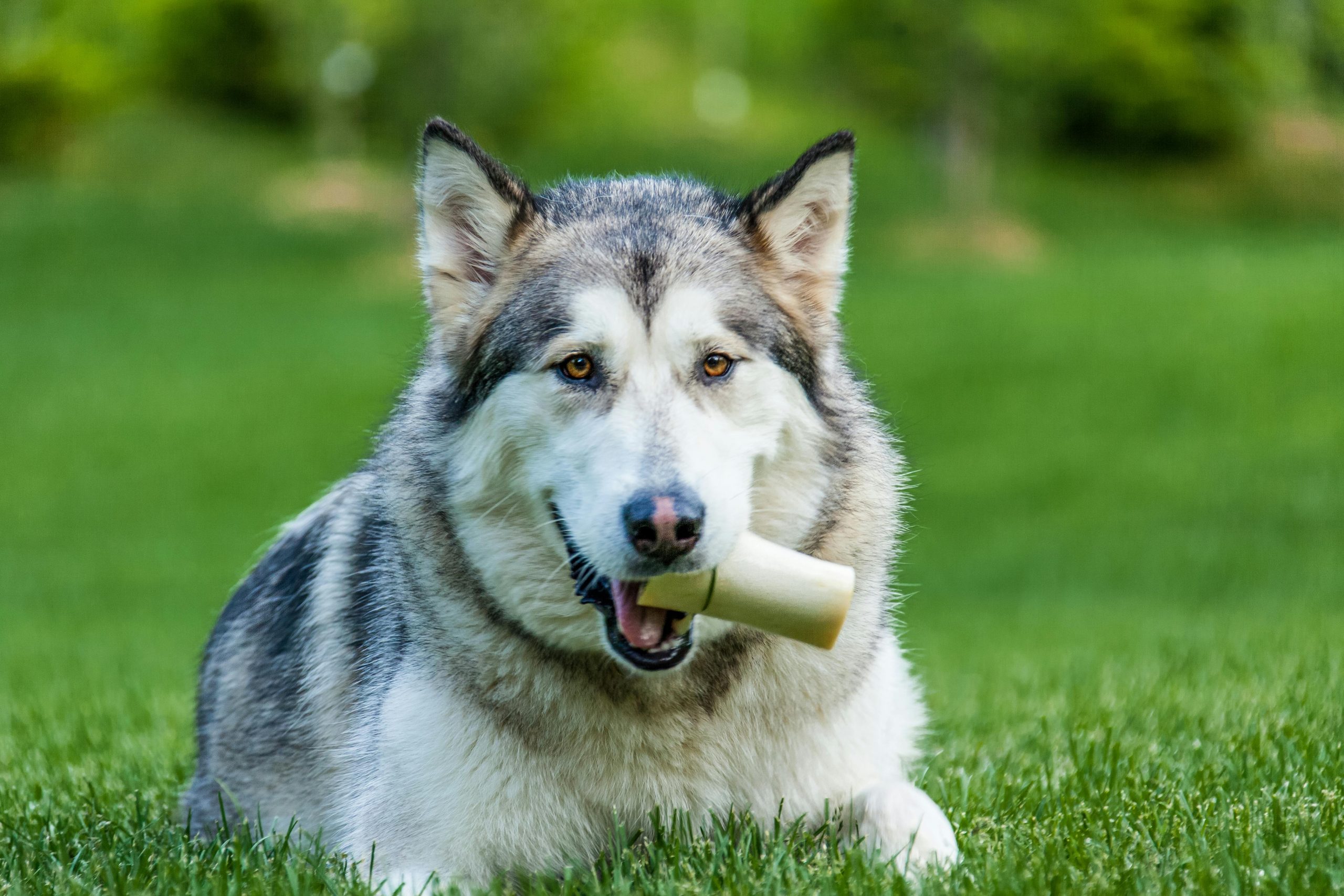
    photo of Husky chewing a bone by Mohan Nannapaneni on Pexels

  • Unlocking Canine Brilliance: Mental Stimulation Tips to Keep Your Dog Sharp and Happy

    Unlocking Canine Brilliance: Mental Stimulation Tips to Keep Your Dog Sharp and Happy


    This article is provided by STEFANIE STRACKBEIN, CFDM. Stefanie is an Owner & Creator, Dog Advocate, Canine Behavior & Enrichment Specialist and Certified Family Dog Mediator @ What Dogs Want, a learning academy for dogs in Phoenix, AZ.

    Are you aware that fostering creative thinking in your dog is a vital component in helping them become a well-adjusted canine? 

    Thinking creatively enables our dogs to approach tasks, problems, and situations with openness to alternatives. If ‘Plan A’ doesn’t work, a creative dog can come up with a ‘Plan B’ instead of shutting down, becoming frustrated or even aggressive. Creative thinkers have better problem-solving skills, better impulse control and better conflict resolution.

    Creativity varies among individuals but fortunately most dogs can learn to become more creative. Acclaimed scientist Dr. Robert Epstein believes in order to enhance your creativity you need to follow these steps:  Capture new ideas, surround yourself with an interesting/stimulating environment, challenge your thought processes and broaden your knowledge base. Dr. Epstein works with businesses, helping them to foster creativity in their employees but his ideas can translate to dogs as well.

    Dogs need mental enrichment and exerciseThis is What Dogs Want!

    Step 1:  We manage and micromanage our dogs all day long, requiring them to follow our rules, fulfill our expectations and fit perfectly into our environment.

    We tell them to do things, not do things, sit here but not over there, drop this but take that. How many of us provide opportunities for our dogs to make their own choices or generate their own ideas? Running all aspects of our dogs’ lives hardly fosters creative thought in our canine companions. We should allow them to come up with new ideas. Not only will this foster creativity, it builds confidence and problem solving skills as well. This does not mean we should allow dogs to do whatever they want, whenever they want but we should provide opportunities to choose and have freedom when we can and when it is safe for them to do so.

     Step 2 & 4:  It is incredibly important we provide an enriching environment for our dogs.

    This includes exposing them to novel objects, meeting new people and animals, experiencing new places, etc. as often as possible. Providing a rich, stimulating environment fosters creativity and opportunities to learn about the world around them. The more our dogs know, the better equipped they are to solve problems or come up with creative solutions to novel situations. This is not only important for puppies, but for dogs of all ages and developmental stages as the learning process never ends.

    One of the easiest ways to do this is to take your dog on ‘Sniffaris’. This is a walk around your neighborhood or even a new, unfamiliar area and allowing your dog to lead you. Let them sniff and explore (as long as they are safe, of course), choosing the route and which direction to walk in. Sniffing is relaxing for dogs and allows them to discover what is going on in their neighborhood or learn about new environments in a safe, self-paced way.

    Sniffing is crucial for dogs’ health. Let them sniff!

    Step 3: Just like humans, dogs’ minds need to be challenged in order to be creative.

    Allowing dogs to stay in their comfort zone without having to confront challenges impedes the creative process. Challenges require innovation and creative thinking. Problems need to be thought through if they are to be solved. In the process of solving problems dogs learn how to cope when things that do not go their way. Consider a dog that is under socialized who becomes defensively aggressive when he encounters change or unfamiliar objects or people out on a walk. Dogs that are faced with unknowns and have never had to think on their own or learn creative thinking skills can become reactive, fearful and even aggressive. Play games with your dog where they must figure out how to find a treat or toy hidden somewhere in the house. Play Hide and Seek with your dog or challenge your dog (and you!) to learn some fun dance moves and just be silly together.

    Dogs are intelligent beings that need mental and physical enrichment to thrive. Helping your dog develop creative thinking skills will not only set him up for success in a human-centric world but will help build his confidence, increase his intelligence and help you appreciate your canine companion to the fullest.

    For more information about Stefanie’s academy “What Dogs Want”, visit their website @ https://wdwacademy.dog/

    Pet Pro Tip:  consider offering similar engagement activities with your client’s dogs. The more focused you are on their enrichment, the more diverse and valuable your services become.

    To learn more about how to entertain your furry clients, and understand what makes them tick, JOIN as a Member to gain access to a vast library of resources: http://app.comeback2.host/join-us/

    “The more you know, the more you grow”. Let’s grow together!

  • Does your Dog Eat your Socks & Shoes?

    Does your Dog Eat your Socks & Shoes?

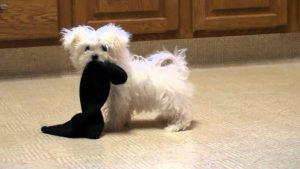
    why dogs eat socks
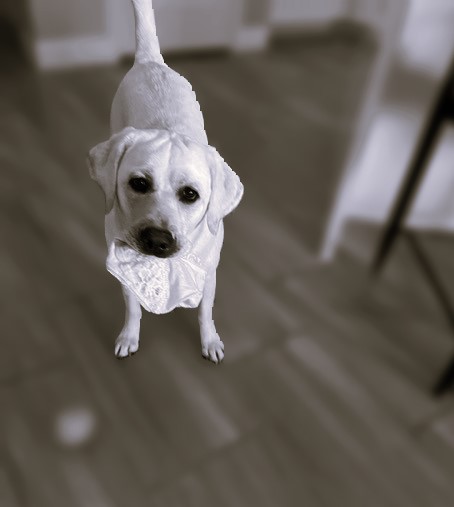
    You may have experienced this unique phenomenon when you turn around and your dog (or furry guest) has your underwear in his mouth! What’s the first thing you do? Laugh or begin the chase (which is always fun for a dog to play “keep away”)?

    Either way, they are getting a reaction out of you. So, if it isn’t an attention-getting maneuver, what else may be driving your dog to your socks, shoes and private garments? We know that a dog’s sense of smell is off the charts (compared to us mere mortals). Any smell of a particular object is a science experiment for a dog to perform. Your personal scent may be comforting to him and let’s face it, shoes, socks and other clothing items may be more pungent than we care to admit.

    Some dogs may consume non-food items due to a medical condition known as “PICA”.

    Pica may promote the digestion of not only fabric items, but also metal, plastic, cloth, garbage, rocks, paper, dirt, and feces*. NOTE: to be classified as PICA, the dog needs to EAT the item (not just chew on it).

    *The consumption of feces is a condition called “coprophagia” and more common with puppies until they mature. Nursing female dogs will eat their puppy’s feces after expulsion.

    PICA is most notably a compulsive disorder, yet it can also be the result of poor nutrition, extreme hunger or an illness.

    Boredom, anxiety and stress will always be a factor in a dog’s unwanted behavior. A dog with high energy that is not exercised enough may resort to destructive chewing for release. Some medications (steroids and anti-seizure) may enhance a dog’s appetite to insatiable levels that those socks might satisfy in a pinch.

    Let’s also remember that puppies will chew on anything as they explore their new world once weaned.  Every puppy owner expects to lose a shoe, furniture leg, a few rocks, etc. while rearing their young charge.  Fortunately, with diligence and extreme oversight, this doesn’t last long!

    If you notice abnormalities after ingestion of any foreign matter, immediately seek advice and physical diagnostics with a veterinarian.  A complete physical exam, x-rays, fecal and urine analysis, and lab work will be needed.

    Other PICA symptoms can include:
    • Decreased appetite or anorexia.
    • Pawing at the mouth/face
    • Gagging or retching
    • Bloated stomach
    • Straining to launch a BM)
    • Dark, black tarry stool
    • Excessive drooling
    • Coughing
    • Blue/purple mucous in the mouth
    • Visible distress or abnormal behavior

    A professional pet sitter and resolute dog owner will always be hyper aware of a change in their dog’s behavior while keeping a watchful eye on them!

    For more information on PICA, read this great article by Barri J. Morrison, DVM for PetMed (4/3/23):  https://www.petmd.com/dog/conditions/behavioral/pica-dogs

    Another great source for further information on this subject: https://dogscatspets.org/dogs/dog-ate-sock/my-dog-ate-a-sock-symptoms-will-he-be-okay-and-what-to-do/

    We have a ton of resources for our MEMBERS to devour! Join us as a member @ http://app.comeback2.host/join-us/

    Photo attribution (dog eating a sock): dogscatspets.org

    Photo of Labrador munching on underwear:  actual client


  • What Breed is that Dog?

    What Breed is that Dog?


    While the AKC updates the growing and diverse canine community of unique breed mixes, (200+ registered breeds to date), has anyone else noticed there is a bourgeoning group of “designer dogs” that are now the rage?

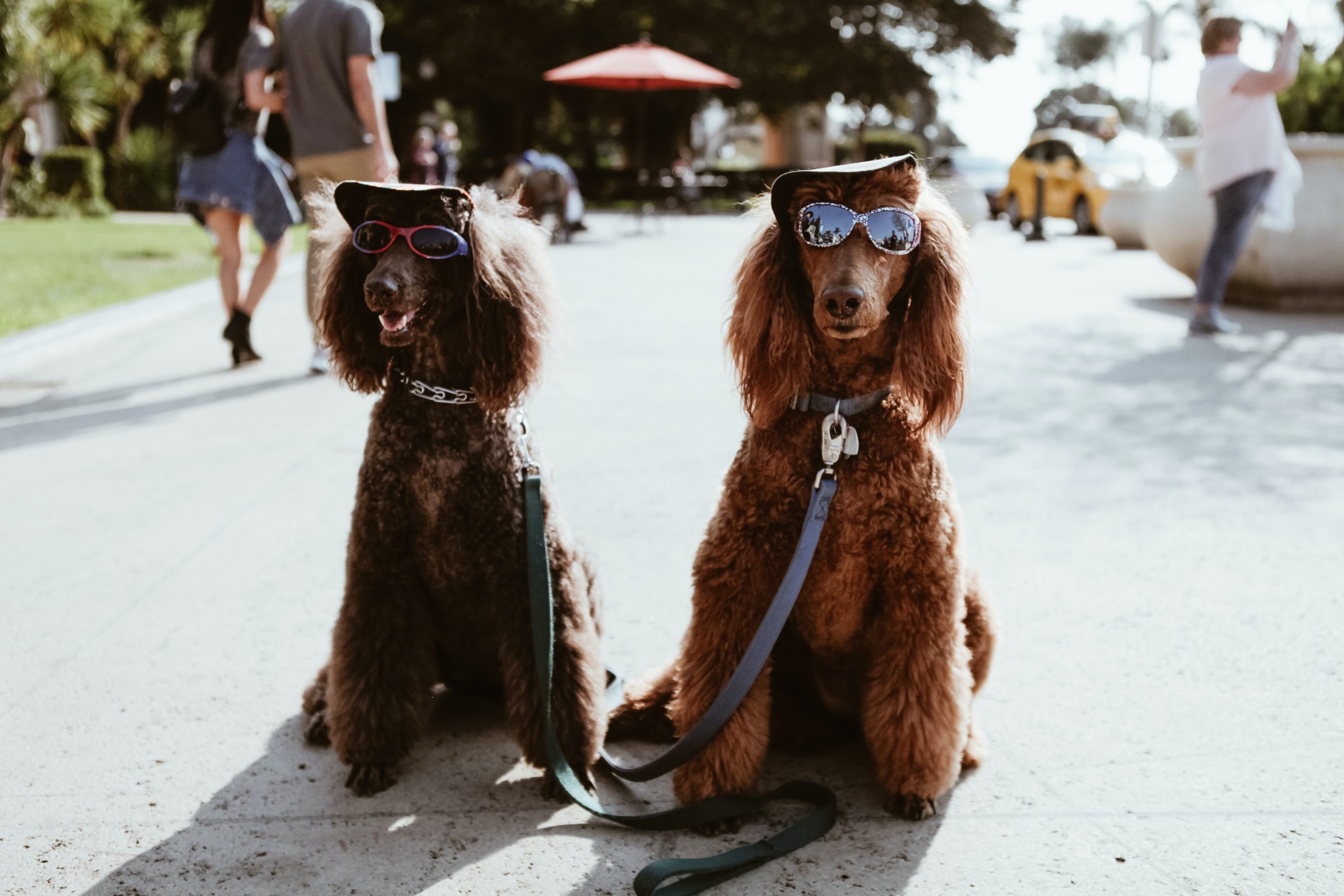
    Revered for its intelligence, training ease and hypo-allergenic benefits, the Poodle is now cross bred to create the Labradoodle, Goldendoodle, Sheep-A-Doo, Husky-Doo, Pom-Poo, Schnoodle and the (older) lines of Cock-A-Poo, Malti-Poo, and Yorkie-Poo.

    Then we have Cheeks (Chihuahua-Pekinese), Puggles (Pug-Beagle), Pom-Chi’s (Pomeranian- Chihuahua), Shorkies (Shih Tzu-Yorkie) and Chiweenie’s (Chihuahua/Dachshund) just to name a few. These categories of 2 breeds that have been specifically mated are known as “cross breeds”. That is, two separate purebreds went on a date and had puppies. 🙂

    As a pet pro, it’s always helpful to look up a specific breed that you will be caring for, to get a hint as to the dog’s disposition and general behavioral tendencies. Be careful not to judge a book by its cover, however! An advance meet and greet is always a must.

    There’s much to be said about wanting a specific breed for characteristics that match the intended owner’s desires and lifestyle; by combining the best traits of each.

    Yet…how many shelter pets have you met, owned or cared for that was a mixed bag of two or more breeds that were some of the best dogs ever?

    Current estimates suggest that 53% of household dogs today are mixed breeds[i], so let’s give it up for the mutt!

    According to Dogtime.com: “Choosing a mutt is a lot like dating: you may meet a few dogs that seem interesting, and then fall in love with one for reasons that make sense only to you. (Choosing a purebred, on the other hand, is a little like saying, “I only date blondes.” You can still find a love match, but you may end up overlooking someone who’s even more perfect for you.) The truth is heritage matters very little. You’ll get along well with your dog because you both love to run, for instance, not because a piece of paper says he comes from a long line of dogs originating on the coast of Croatia.”

    Whether you own or care for a traditional purebred, designer- breed or home-grown mutt, we celebrate the fact that you wrap your arms around all dogs and wish you all the joy and happiness that dogs provide.

    Hugs from your Pet Pros at AoPP!

    Photo by Jenny Marvin on unsplash

    [i]Stanley Coren, PhD, DSc, FRSC, Canine Corner for Psychology Today (6/28/11)