/home/qiocp3sxg2b3/public_html/app.comeback2.host/wp-content/mu-plugins Pet Sitter Best Practices – Page 2 – Association of Pet Professionals

Category: Pet Sitter Best Practices

  • How to Launch a Pet Business on a Budget

    How to Launch a Pet Business on a Budget

    Launching a pet business is an exciting and potentially rewarding venture, though it might appear challenging, especially with limited startup funds. Despite this, having a small budget should not discourage you from pursuing your dreams in the pet industry. To help you get started, the Association of Pet Professionals has some practical tips on how to establish a pet business with little to no capital, including ways to leverage your passion for pets and tap into a growing market.

    Self-Finance Your Business


    The first thing you should do when starting a business with minimal funds is to bootstrap it. Bootstrapping means you use your own resources, such as your savings or personal credit, to fund your business. This can include working from home (and after consulting with a qualified accountant, deducting home office use as an expense), buying used equipment (if needed) and using free online tools for marketing and communication. By minimizing your expenses, you can stretch your limited resources and make them go a long way.

    Seek Out Grants


    Another option to explore is to apply for grants. There are many organizations that offer funding opportunities for startups, especially those that are innovative or socially impactful. These grants can give you the financial boost you need to get your business off the ground. Be sure to research the requirements and deadlines thoroughly, and tailor your application to the specific grant you’re applying for.

    Raise Capital Through Crowdfunding


    Crowdfunding is a popular way to raise funds for your business if you have an interesting story or idea. You can pitch your product or service on websites and ask for donations or pre-orders in exchange for rewards. Crowdfunding can validate your idea, build a customer base, and create brand awareness.

    Monitor Your Credit Score


    If you plan to apply for a business loan in the future, it’s important to track your credit score so you’ll be eligible for a loan with favorable terms. Your credit score is a key measure of your creditworthiness as lenders use it to determine how much risk they’re taking by lending you money. By maintaining a good credit score, you increase your chances of a loan approval and lower interest rates.

    Find Ways to Network


    Networking is essential for the success of a pet business, especially when starting with limited resources. It’s important to immerse yourself in the pet industry by attending events, joining online pet-focused forums and groups and forming connections with a diverse range of pet professionals. This can include local veterinarians, dog groomers, dog trainers, pet food store owners, rescue groups and other like-minded pet businesses.

    Building relationships with these individuals can offer valuable insights, advice, and cross-referral opportunities. These connections can serve as potential partners, mentors, and clients, playing a key role in the development and prosperity of your pet business.

    Offer Pre-Sales and/or Pre-Orders


    Another effective strategy for securing funds when starting a pet business is to implement pre-sales or pre-orders. This involves selling your pet-related products or services before they are officially launched, utilizing the proceeds to support their development and production. Offering pre-sales or pre-orders in the pet industry can also be an invaluable tool for assessing market demand and collecting feedback from early customers. This insight can be crucial in refining your pet products or services and shaping your marketing strategies to cater to pet owners’ needs.

    Create Engaging and Informative Content


    Creating engaging and informative content is a great low-cost marketing strategy and an excellent way to help spread the word about your business. This includes starting a blog, creating a useful brochure, writing guest posts for other websites, creating videos or infographics, and sharing them on social media sites.

    In addition to the dominant sites such as Facebook, Instagram and Twitter, join your local Nextdoor and also consider Alignable, a growing community for entrepreneurs: https://www.alignable.com/ Seek out pet-centric groups specifically on these sites and join. To be effective, you need to participate with a positive presence.

    You should also research content marketing trends and search engine optimization to help you take your marketing game to the next level. By providing value to your audience and showcasing your expertise, you can attract leads and build trust with potential customers.

    Create a Website to Attract Clients


    Creating an online presence for your pet business through a website is a vital step toward enhancing your credibility and visibility. It serves as an efficient platform to showcase your services, pricing, policies and effectively advertising your business to a broader audience. Moreover, the role of Search Engine Optimization (SEO) cannot be overstated; it is a crucial component in driving website traffic and ensuring your site ranks higher in search results, thereby attracting more potential customers. It’s important to note that a successful website need not be elaborate or complex. A simple design with a few key landing pages, complemented by high-quality images, can make a significant impact in capturing the interest of your target audience.

    Starting a pet business with minimal funds can be tough, but it’s achievable with the right mindset and approach. Embracing creativity, resourcefulness, and determination are essential in navigating financial limitations. Success follows hard work and determination! Utilize and monitor your credit, develop engaging content for pet lovers and clients, create an SEO-friendly website, network and turn your passion for pets into a thriving business.

    This article was provided by our guest blogger Penny Martin of fureverfriend.info. 

    For additional marketing tips and a deep dive to help you with next steps, join us as a member! http://app.comeback2.host/join-us/

    A very small investment for bigger growth in your pet sitting business! Only $10/month!

    attribution: Samson Katt on pexels
  • Halloween is coming! Are you Boo-Pared?

    Halloween is coming! Are you Boo-Pared?


    As Halloween approaches and you prepare for the thrill of trick-or-treat, be mindful of a dog or cat’s reaction to the hubris. Dogs and cats may be frightened by costumes. If you are pet sitting on Halloween, be careful about donning personal costumes and while walking among the parade of dressed-up revelers.

    Other Halloween Safety Precautions should include:

    Keep Candy Out of Nose Reach

    While it’s a scream for trick-or-treaters to fill their buckets with confections, consumption of chocolate (and potentially xylitol) is toxic to dogs and cats. Wrapped candy, if eaten, is another hazard and possible intestinal obstruction.

    Costumes for Dogs and Cats   

    how to be a pet sitter

    If you like to dress your dogs for Halloween, choose a costume that allows plenty of breathing room. Avoid costume adornments that can be chewed off, choked on or swallowed. A reflective costume is also a good idea.

    Decorations

    Keep a watchful eye on candles burning inside pumpkins. Curious noses might get burned if they get too close, or worse, knock them over and start a fire. Best practice is to buy the LED-or battery style candles to minimize risk yet still have a glowing effect.

    Keep Pets Safe and Indoors

    Keep dogs and cats inside and preferably in a quiet room, away from the front door. The sound of the doorbell ringing will promote barking and the pack instinct to protect the family from strangers…especially if they are dressed in weird costumes and making strange (spooky) noises! Make sure all dogs in your care have a collar and I.D. tag with current information; especially if they aren’t micro-chipped. Some dogs will be sufficiently scared and attempt to escape or slip out the door during the commotion.

    Bringing Fido Along

    If you take a dog with you while trick-or-treating, stay on the sidewalks or driveways to avoid what might jump out at them at the door. Many homeowners like to dress in costume and spook the kids when the door is opened. Those sincere intentions may not be well received by a dog.

    Professional pet sitters are always focused on pet safety. Make it a Happy & Safe Howl-aween!

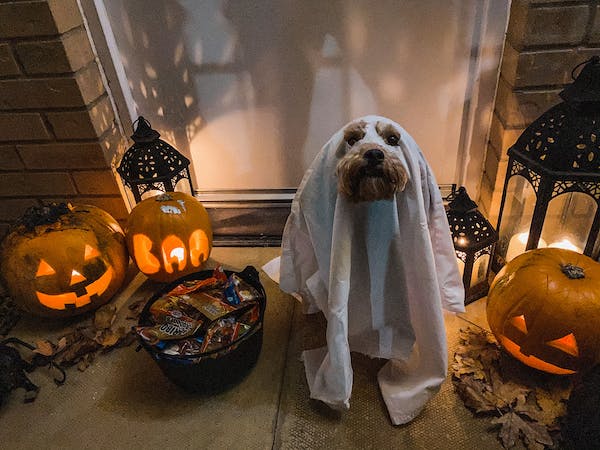
     photo attributions: dog in ghost costume by Matt Hill on pexels and dog in witch costume from private client, owner of “Roxy”


  • A Guide to Nomad Life with Your Pet

    A Guide to Nomad Life with Your Pet

    The call of the open road and the freedom of remote work can be intoxicating. Adding a pet to this mix adds both joy and complexity to the equation. This article aims to offer a detailed guide to help you and your furry friend step confidently into the nomadic lifestyle without missing a beat. In this article for the Association of Pet Professionals, we will navigate through various steps to ensure your pet’s comfort and well-being while you work remotely.

    Laying the Technological Groundwork

    Before you hit the road, make sure you’re proficient in the technology that will sustain your remote work. This goes beyond having a reliable laptop and smartphone. Invest in a high-quality portable Wi-Fi hotspot, get comfortable with collaboration software like Slack or Asana, and familiarize yourself with video conferencing tools like Zoom. Make these technologies an extension of your professional self so that you can work smoothly from anywhere.

    Digitizing Life’s Essentials

    Today, mobile scanning apps offer a seamless way to digitize essential documents, including your pet’s medical records and identification. Apps like Evernote and Google Drive offer scanning capabilities, allowing you to keep important papers at your fingertips. This step is crucial for a stress-free digital nomad life, ensuring that you can access vital information anywhere, anytime.

    Making Furry Friends Feel at Home

    Finding a place to stay that welcomes pets is crucial. Websites like Airbnb offer filters for pet-friendly accommodations, but it’s always good to double-check with hosts. You can also check resources like BringFido for recommendations. In case you have to attend a long meeting or be away from your accommodation, consider hiring a local pet sitter to keep your pet company.

    Keeping the Necessities Close

    Pets need stability, even when your lifestyle is anything but. Always carry a travel kit that includes pet food, fresh water, medication, and comfort items like a favorite toy. Take time to read reviews before buying any pet care products to ensure their quality and safety. Consider investing in a portable water dish and a collapsible crate to make your pet’s travel experience as comfortable as possible.

    Legalities and Locale-Specific Guidelines

    Different countries and even different states within the U.S. have unique laws regarding pet ownership and travel. Take the time to research these laws. Websites like the USDA Animal and Plant Health Inspection Service provide guidelines on pet travel both within and outside the U.S. Knowing leash laws and pet-friendly parks can make your experience more enjoyable and keep you on the right side of the law.

    Health Check and Identification

    Before embarking on your journey, a visit to the vet is essential to update all vaccinations and consider microchipping your pet. These precautions are not just legal requirements in many jurisdictions but also crucial measures for your pet’s safety. Being proactive in this area can provide peace of mind and ease potential complications during your travels.

    Setting Up a Legal Business Framework

    If you’re committed to embracing the digital nomad lifestyle long-term, establishing a limited liability company (LLC) for your freelance or remote work is a prudent step. This legal structure provides an added layer of personal asset protection while offering a flexible framework for managing business expenses and taxes. With a formation company’s help, the LLC setup can simplify your professional life, making it easier to focus on your work and travels without worrying about legal intricacies.

    Healthcare Away from Home

    Before setting off, research the veterinary services available in your chosen destination. There are many different apps available that can be incredibly useful for locating vet services while on the go. Always have a plan B in place, should you need urgent medical care for your pet.

    Living the digital nomad life with your pet is rewarding but requires detailed planning for both of you. From mastering tech tools and understanding local laws to business structure and healthcare options, preparation is key. By organizing these aspects, you set the stage for a fulfilling and harmonious journey with your four-legged companion.

    For a professional organization to help you hone your skills and improve your business, join the http://app.comeback2.host/join-us/ today!

    This article was provided by Cindy Aldridge, the creator of OurDogFriends.org, a website advocating for the love and ownership of dogs. She believes that dogs truly are our best friends and wants to see fewer dogs in shelters and more in loving homes.

    I think all of us at the Association of Pet Professionals, members included, couldn’t agree more with Cindy’s philosophy and goals!  Thank you, Cindy, for your engaging article with a fresh perspective to working AND traveling with pets!

    photo credit: Kampus Production on pexels


  • How to Greet a Fearful or Shy Dog

    How to Greet a Fearful or Shy Dog


    Many dogs are fearful when meeting strangers for the first time. You will encounter dogs that are reluctant to approach you, yet as a professional pet sitter it’s helpful to know how to best manage your introduction with a skittish dog.

    Kathrine Breeden is the owner and operator of Be Kind to Dogs, a force-free dog training business in Phoenix, Arizona. Kathrine is a professional dog trainer and specializes in force-free dog obedience training with tips and tools that all professional pet sitters can adopt.

    Kathrine is also a behavioral consultant and member of the No Shock Collar coalition. Her philosophy is that Force Free & Positive Training results in a dog that follows an owner because it wants to, rather than following out of fear. We wholly support force-free training and do not promote punitive training methods that include shock, prong, or choke collars.

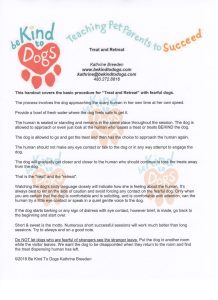
    The “Treat and Retreat” method is an effective practice when first meeting a client’s dog who is already fearful of humans. It’s important to start off with high-value treats. After conferring with your client regarding potential GI issues or food allergies, consider cooked, skinless, and cubed chicken for the best results.

    The premise behind this method is tossing treats at the dog you are meeting with NO eye contact, NO talk, and NO touch. Wait for him/her to gobble the food and look to you for more.  Keep tossing the food, while keeping quiet, until the dog is comfortable approaching you for more, getting closer and closer each time.

    We have found this method to be extremely effective when building a bond with reluctant and fearful dogs. Of course, most dogs will love you when you provide a yummy treat for them!  It’s those that typically have had bad experiences in their past that require a little more finesse and patience to warm up to humans and you, their soon-to-be-loved pet sitter.

    A copy of Katherine’s hand-out is included below.

    force-free training methods
    To contact Katherine Breeden for more information about force-free training methods visit her website: https://www.bekindtodogs.com

    The above guidance is an excerpt from our 15-page outline “Pet Sitter Basics for Dog and Cat Care” available to members only. We’re here to help you achieve new heights in your pet sitting journey! Join NOW so we can grow together http://app.comeback2.host/join-us/

    Hugs from your Pet Pros @ AoPP


  • How to Engage dogs with Scent Games

    How to Engage dogs with Scent Games

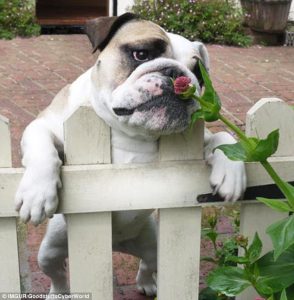
    Bulldog sniffing a flower

    One of our previous blogs shares the science behind the extraordinary scent powers of a dog. Read “How Stress affects Dogs and Cats regarding their extraordinary sense of smell (they can smell our stress among other things!) How Stress affects Dogs & Cats – Association of Pet Professionals

    While puppies are nearly blind at birth, their sense of smell is fully developed.  The part of the brain that analyzes scent is 40 times bigger in a dog’s brain than ours. To fully engage and entertain dogs you are pet sitting, try these simple and inexpensive games and activities.

    (1). Treasure Hunt:  Hide treats throughout the house!

    • Start with 1 or 2 in plain sight (when she’s not looking). Call her and say, “FIND IT”.
    • After she gobbles those, say ‘GOOD FIND IT” and repeat the process in less obvious places.
    • Get creative with a food dispensing object (Kong) or smear cheese on a rubber toy you can hide (best on a non-carpeted surface).
    • To play scent games outside, hide frozen cubes of meat broth. Repeat the command “FIND IT” and praise with “GOOD FIND IT” when she discovers the treat.

    (2). Shell Game: Start with 4 sturdy coffee-cup sized containers.

    While she’s watching, place a treat underneath one cup then move it back and forth. Say “FIND IT”. When she sniffs the cup, lift it up and say, “GOOD FIND IT”. This is easy with only one cup, right? To intensive the game, add another cup, then another, repeating the process (like a magician moving the cups back and forth). Make sure you say, “GOOD FIND IT” and reveal the treat underneath when she sniffs the right cup.

    (3). Hide ‘N Seek: YOU are the treat!

    When she’s in another room, sneak off and hide somewhere. If you have an active dog, she will come looking for you. When you “sense” her sniffing for you, reveal yourself with “GOOD FIND IT” and provide a treat as praise.

    (4). Muffin Tin Game: This is very popular and requires a simple muffle tin, treats and balls.

    Place treats at the bottom of each cup hole. Put a ball on top to cover the treats (tennis balls work great). Your dog will have to move the ball to get to the treat.  This not only helps them practice their scent work, but also exercises their problem-solving skills and mental stimulation needs.

    (5). Box Search: This is a great way to reuse those Amazon delivery boxes!

    When she’s out of the room, place several empty boxes on the floor and fill most of them (not all) with treats. Bring her into the room and encourage the hunt with FIND IT!  Praise her for each “find”. Put the boxes away when all the treats are gone to signal the game is over.

    Get creative and have fun practicing scent work with dogs in your care.  Be sure to share these pet sitting experiences and the dog’s performance with your clients.  They will love you for it (and may try these games in their home!)

    Hugs from your Pet Pro Team @ Aopp

    Join us for more tips & tools to achieve new heights in your pet sitting business! http://app.comeback2.host/join-us/


  • Essential Client Questions to Ensure Tailored Pet-Sitting Care

    Essential Client Questions to Ensure Tailored Pet-Sitting Care

    All pets need a professional pet sitter

    In today’s digital age, texting has become a predominant mode of communication.


    However, it often lacks the depth and richness of real conversation. In real conversations, there is less room for misinterpretation or misunderstanding. In order to build trust and rapport with new clients, meaningful dialogue by phone will help establish your authenticity with your prospective clients. Knowing what questions to ask before you commit are included below.

    People love to talk about their pets! Keep your tone and dialogue enthusiastic as you dive into the initial questions including style of service needed, the client’s location and if you are available for the service dates needed.

    Does the client live in your service area and are you able to help them? If you only offer dog walks and cat visits and the client needs in-home pet boarding, refer them to another trusted pet sitter.

    It’s helpful to know the client’s travel itinerary, including time of day they are leaving and returning home. Knowing those details will help you with scheduling. We know too well that the art of juggling multiple clients requires creative scheduling!

    Taking a deeper dive into specific pet details will be the crux of your conversation as all animals are individually unique. A dog’s breed, age, size, general disposition and health should be explored in greater depth.

    Does your furry guest require medications or insulin injections, frequent potty breaks or meals during the day, outdoor exercise or suffer from separation anxiety? Ask about the owner’s past experiences when hiring pet sitters, which will help gauge their expectations of you.

    If caring for a cat, are they prone to hide upon your arrival or will they want to cuddle and purr with you? Ask leading questions to get a feel for the pet’s personality. More extensive care may also determine how much you charge for special pet needs that require more time to fulfill. Do not hesitate to decline business if you feel the situation is beyond your capabilities or will put you at risk!

    Other sample questions include:

    • Can you tell me about your pet’s daily routine? (Feeding times, exercise schedule, etc.)
    • Does your pet have any specific dietary restrictions or allergies?
    • Are there any medications or special instructions I should be aware of?
    • How does your pet behave around strangers or other animals?
    • Are there any particular behaviors or quirks I should know about your pet?
    • Who is your family veterinarian?
    • Do you have a preferred veterinarian in case of emergencies? PET PRO TIP: Create a list of Emergency Clinics in your area.
    • Are there any areas of your home that are off-limits to the pet sitter or specific instructions regarding house access?
    • How does your pet typically react to being left alone for extended periods?
    • How would you like updates on your pet’s wellbeing while you’re away? (Note: this can include photos, texts, and videos and should always include daily check-ins).
    • Is there anything else you’d like me to know about your pet or your expectations for their care?

    Your Value Proposition:


    When discussing your services, include value-added “extras” you offer. This might include fetching mail, or packages left at the front door, watering indoor plants or taking the garbage in/out. You may want to charge a little more for these helpful household chores even if you are only in the client’s home briefly to walk their pup or refresh food and water.

    Sometimes, doing these little extras without being asked or offered at no charge, will help curry a stronger client relationship.

    Provide excellent customer service by being responsive to inquiries, professional in your communications and reliable in your pet care services.  Happy clients are more likely to recommend you to others and become repeat customers.

    Stay updated on industry trends, attend pet care workshops or on-line training and certification programs, and continually improve your skills is fundamental to providing the best possible care for your client’s pets.

    The Association of Pet Professionals offers these skill-building resources for our members. Become a member today! Only $10/month to join and tap into the well of knowledge we have waiting for you @ http://app.comeback2.host/join-us/

    Keep doing YOU and always strive to do your best as the professional pet sitter you are! We’re here to help you grow your pet sitting business. 🙂

    Hugs from your AoPP Pet Pro Team

  • Pet Sitter Tips to curb Counter-Surfing Dogs

    Pet Sitter Tips to curb Counter-Surfing Dogs

    For Home-Style pet boarding, you have undoubtedly experienced a few canine counter surfers who want what you’re having!

    Most dogs can’t resist the lure of something yummy left on the kitchen counter. If given the opportunity to nab it, you bet it’s a robbery about to happen.  Obviously, if you know your furry guests are prone to thievery, you clear the countertops of every bread crumb before you exit the kitchen. A pet sitter’s job is to ensure dogs stick to their diet which doesn’t include the human treats in the kitchen, not supplied by their owners.

    Yet if you are boarding one or more dogs or pet sitting for a dog in a household with family members who aren’t as diligent as you are, it may be harder to control.  This is especially important when toxic food items are inadvertently made available. For a complete list of people foods that are toxic to pets, visit: https://www.aspca.org/pet-care/animal-poison-control/people-foods-avoid-feeding-your-pets

    I will never forget the antics of a favorite house guest “Zoey”. I knew in advance that Zoey had sneaky skills. A beautiful English Mastiff with the height to easily reach countertops coupled with a keen interest to explore pantry doors, counters and cupboards. She would wait until no one was looking then help herself to food items of desire.

    Her Mom dropped her off for boarding after she consumed an Easter basket of chocolates- wrappers and all! For several days, her outdoor “deposits” included a rainbow of foil. Given her girth, she digested her spoils without issue.  A smaller dog, however, would have been rushed to the vet.

    To curb this “Zoey-like” habit with furry house guests, a little pet sitter ingenuity is required. A quick and easy solution is to install a baby gate at the kitchen entrance every time you are cooking or serving family meals. A simple spring-loaded gate should be sufficient and avoid drilling holes in your walls.

    If you have the time for a little training, leave something tempting on the countertop, slightly out of nose reach, and hide around the corner. Using either a spy cam device or hand-held mirror, wait and watch for your dog to investigate, then rush in quickly with the command “leave it!” or “ah ah ah” to interrupt this behavior. If practiced over time, they will eventually get the point and “leave it” alone.

    You can also try to redirect the dog’s behavior.  Give them a food-stuffed toy or chew bone in another room of the home to keep them busy while you’re cooking in the kitchen. Chew bones are best served when there is only one dog in the other room. With multiple dogs, chew bones can incite a fight, so it is best to avoid food aggression. This includes keeping them separated during mealtimes.

    We’d love to hear your “Zoey” stories!  Comment below or share as a post on our social pages!

    As always, be safe and happy in your pet sitting journey. We’re here to help you every step of the way! Join us @ http://app.comeback2.host/join-us/

    Hugs,

    Tori and AoPP pet pros

    photo credit: dfordog.co.uk


  • The Yin and Yang of Spay & Neuter

    The Yin and Yang of Spay & Neuter

         As a professional pet sitter, it’s important to understand spay and neuter issues to assess potential complications for your pet sitting business.  If you are boarding dogs in your home or pet sitting a young dog still intact, details to consider are included in this blog. Nature at its finest…are you prepared?

    Of course, the decision to spay or neuter a pet is entirely up to the owner. Opinions are mixed as to the ideal age to spay or neuter a dog.  Rescue groups and animal shelters spay and neuter as quickly as possible to avoid unwanted litters.  Some veterinarians, most breeders and individual owners may lean toward delaying these procedures past the first 6 months of age to avoid potential health risks later.

         Risks include joint disorders (hip or elbow dysplasia) and various cancers, such as lymphoma, mast cell tumor and osteosarcoma.

         Spaying or neutering within the first 6 months of age delays the closure of growth plates that control bone development.  Subsequently, the longer the wait period the more likely optimal growth in height and conformation will occur.

    However, on the other side of this debate (for female dogs) may increase the risk of “pyometra”, a dreadful uterus infection and mammary cancer. For intact males, there is potentially added risk of testicular cancer.

    X-rays will show when growth plates are fully closed, which is a helpful tool to determine when it’s best to schedule surgery.

    Timing of surgery may also be influenced by breed.

    According to researchers at the University of California, Davis some dog breeds have a higher risk of developing certain cancers and joint diseases if neutered or spayed within the first year.

    They analyzed 15 years of data from thousands of dogs examined yearly. The results are extremely mixed, based on their professional review of 35 different dog breeds.

    In many cases these potential health concerns were not necessarily affected by the dog’s age at neutering, but more likely due to body size. Fundamentally, smaller dogs are less prone to joint disorders as they mature as early as six to nine months of age, whereas bigger breeds take longer.

    Interestingly enough, it was discovered that Great Danes and Irish Wolfhounds, despite their “largesse”, did not show an increased risk when neutered at various ages. Who would’ve thunk?

    Benjamin Hart, distinguished professor emeritus at the UC Davis School of Veterinary Medicine states: “There is a huge disparity among different breeds…there is no “one size fits all” when it comes to health risks and the age at which a dog is neutered. Some breeds developed problems, others didn’t. Some may have developed joint disorders but not cancer or the other way around.”

    NOTE: Diet and nutrition were not factors of this study’s assessment, yet certainly begs to be considered when studying the incidence of cancer in our companion animals.

    Sexually-driven Behaviors of Intact Male Dogs

          Male dogs tend to reach sexual maturity between the ages of five and twelve months old. During this timeframe, you can expect hormonally-driven undesirable behaviors to unveil:


    • Increased frustration released by digging, scratching, and chewing.
    • Restlessness and inability to settle down.
    • Flight impulses including fence jumping and door dashing.
    • Barking, lunging, growling, snapping, biting and fighting with other male dogs.
    • Lack of cooperation and noncompliant behavior.
    • Excessive pulling and dragging during walking; intense sniffing and licking female urine.
    • Extra interest in the genital area and excessive grooming.
    • Exhibiting sexual arousal when petted or given attention.
    • Mounting people, animals and/or objects (or thin air).
    • Excessive urine marking, both indoors and outdoors.
    • Frustrated, excessive barking.

    Due to these problematic behaviors, commercial facilities will deny entrance to an intact male past the age of 6 months…and pet sitters should strongly consider the added complications as well!

    Boarding a female dog that isn’t spayed and likely to come into heat on your watch is a risk most pet sitters should avoid.

    For pet owners who plan to travel without their pets during this “wait” period, its best to secure pet accommodations well in advance or delay travel until the deed is done. For professional pet sitters, it’s essential to consider waiting to provide service until these potential complications have passed.

    Hugs from your Pet Pro Team @ AoPP!

    photograph credit: Taylor Sondgeroth on Unsplash

    Resources for this article:

    https://www.ucdavis.edu/news/when-should-you-neuter-your-dog-avoid-health-risks

    https://www.frontiersin.org/articles/10.3389/fvets.2020.00388/full

    https://dogdiscoveries.com/behavior/behaviors-of-intact-male-dogs

    https://www.akc.org/expert-advice/vets-corner/neutering-spaying-right-age-dog/


  • Why do Dogs Hump?

    Why do Dogs Hump?

    Note: this article is for pet owners and pet sitters to better understand what causes a dog to perform the “humpty-do” dance.

    Humping or “mounting” is a common behavior and not exclusive to intact or stud males only. Neutered males and females may also “go for it”.

    Obviously, in the case of a female dog in heat, any male dog will traverse hill and dale to start that party. Unless you are a professional breeder, you must keep your female dog in lock down to avoid an unwanted litter. Intact males are especially prone to fervent (sexual) humping.

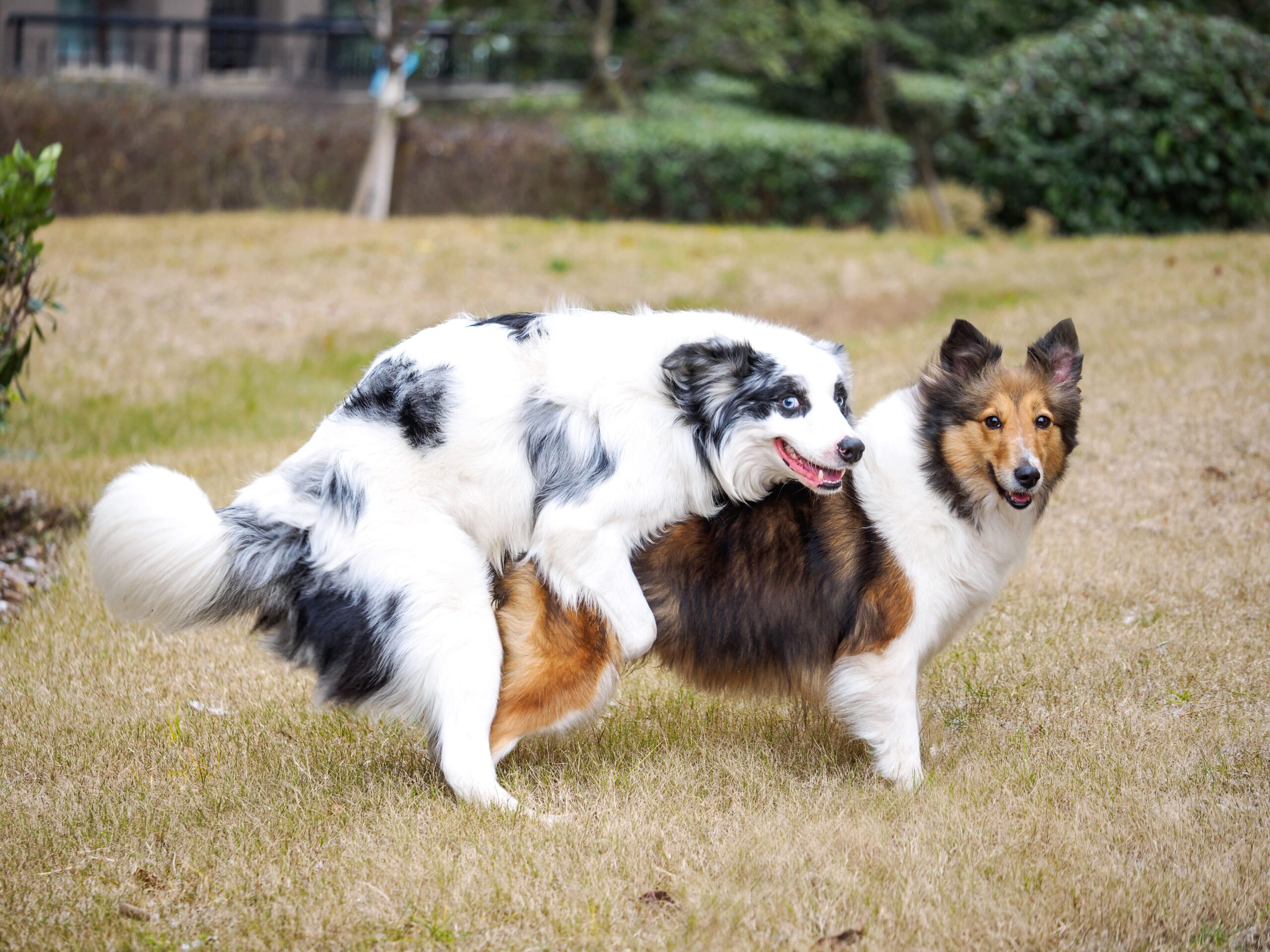
    There Are Many Reasons Why Dogs Hump Each Other And, In Some Cases, Hump Humans and Inanimate Objects.

    Normal play behavior between two dogs might include some humping.  Provided it does not continue indefinitely, nor seem to bother the “receiver,” it is o.k. to let the dogs work it out between themselves. There is a dominance issue involved that often alternates between who is on top. However, some dogs will not react well to being humped, so best to be prepared to intervene if the situation escalates.

    Dogs may use this action to relieve stress or frustration. Rather than become horrified, owners (and pet sitters) should evaluate what might be causing their dog’s anxiety. Are they getting enough exercise? Are they socially frustrated, experiencing disruption to routine or do they lack proper socialization?

    Some dogs get overly excited when around other dogs or visitors come to your home. This stimulating event might result in hyper arousal. Leash your dog before introductions are made and be sure to praise and reward them once they have settled down.

    In the case of humping pillows, blankets or toys, it simply feels good. Provided you have ruled out any underlying medical conditions, no harm- no foul if only an occasional release. Persistent humping of objects may mean a compulsive disorder that requires behavioral analysis and treatment.

    When humans are the object of desire, it’s best to walk away to dissuade the behavior or distract the dog with another activity. dogs will hump pillows when aroused

    If your humper is in overdrive when playing with other dogs, you might need to separate him for a little quiet time to quell the excitement. Do not punish your dog, yet gently with soft voice tones, ease him away for a cool down before reengaging in play time.

    Make sure your dog is getting plenty of exercise, outdoor release, and mental stimulation. Your dog may benefit by private or group training classes. This includes specialized training to modify behavior, controlled socialization, agility and/or general obedience. Good Canine Citizen classes are a wonderful choice for owners wanting a stronger and balanced bond with their dogs.

    Have you had any experiences with humpers? How did you handle it? Share your stories with us!

    For more info on this topic, read this article from petMD: https://www.petmd.com/dog/behavior/why-do-dogs-hump

    Hugs,

    Tori

    Photo attribution of dog on dog from Google images by blogspot.com. Thank you fellow bloggers!

    Pillow shown actually sold and available (including other choices) on http://cafepress.com


  • How Stress affects Dogs & Cats

    How Stress affects Dogs & Cats

    Dogs can smell stress


    Life can be stressful!  Let’s agree that there is no limit to how busy we are, chasing our professional and personal affairs and simply keeping up with rising costs in these wallet-whopping times. Yet, we also need to think about how stress impacts pets. 

    Did you know that dogs can SMELL our stress? It’s been proven in clinical studies that dogs could detect the difference in sweat samples taken from a person under duress (solving a complicated math problem) and those who were not. Reference article to support this point: https://www.nbcwashington.com/news/national-international/dog-can-smell-when-were-stressed-out-new-study-shows/3170336/

    Not so hard to believe when you compare a dog’s divine gift of 220-300 million+ olfactory receptors in their nose (vs human: 12-50 million). The actual statistical quotes vary, yet you get the drift of their super-power whiff, right?

    Notwithstanding specific breeds that have an even greater sense of smell and those trained in scent work (Bloodhounds, Beagles, drug sniffing K9’s, etc.), if an owner’s lifestyle or routines have changed, even slightly, their dog can both smell and sense the changes in body chemistry and emotions. This includes pet owners travelling under duress (bereavement trips) or understandable reactions to life’s emotional stressors. Pet sitters get stressed too! Be aware of how you might be inadvertently impacting your furry client’s reactions to you if you show up for service under extremely terse conditions.  The adage “keep calm and carry on” takes on new meaning in this context.

    Most pet owners looking for private pet boarding or move-in pet care want to minimize the stress typically associated with pet resorts and kennels. This growing trend for more intimate pet care services has provided a wealth of opportunity for pet sitters across the U.S. A professional pet sitter should be able to provide a far more peaceful and entertaining experience for their client’s dogs.

    Not surprising to animal lovers and pet sitters, cats are included in the “special sensory” category also.  According to Dr. Nicholas Dodman, a professor emeritus at the Cummings School of Veterinary Medicine at Tufts University, and CEO and president of the Center for Canine Behavior Studies: “A therapy cat “Oscar” is believed to have sensed death was coming based on a change in human smell as they approached end of life.” Horses have similar scent assessments also!

    There’s quite a bit of clinical evidence to support a dog’s brilliance at detection, and the subject begs to be better understood to know what the signs of pet stress are and possible causes. For an in-depth article about 23 common stress signals for dogs and how to calm them please read this incredibly informative piece from dogclinic.com to expand your knowledge and approach as a professional pet sitter: https://www.thedogclinic.com/signs-of-stress

    Hugs from your Pet Pro Team @ AoPP